
Anthropic suspends all access to Mythos model after US government bans foreign nationals use
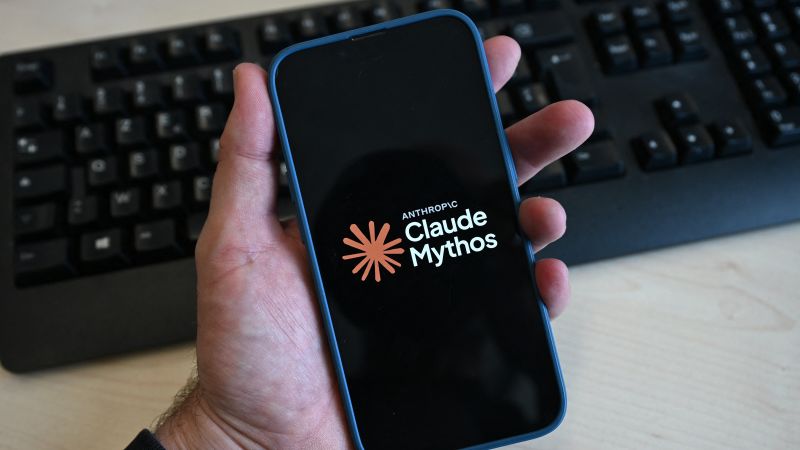
Anthropic Restricts Access to Mythos Model Following US Government Directive
Anthropic suspends all access to Mythos – On Friday evening, artificial intelligence firm Anthropic announced it has halted access to its most advanced systems, including the Mythos 5 and Fable 5 models, following a directive from the US government. The restriction applies to all users, regardless of nationality, and marks another escalation in the Trump administration’s efforts to control AI technologies deemed critical to national security. The decision comes amid growing concerns about the potential of these models to be exploited for cybersecurity threats.
Broader Measures Target Advanced AI Capabilities
This latest action by the US government is part of a series of measures targeting Anthropic, which has been a focal point of regulatory scrutiny. The directive to suspend access to Mythos and Fable models represents one of the most sweeping interventions yet, as officials seek to limit the use of AI systems with high-level capabilities. Anthropic stated that the government cited “national security” as the primary justification for the move, though specific details about the risks were not disclosed.
“We reviewed a demonstration of this specific technique being used to identify a small number of previously known, minor vulnerabilities,” Anthropic said in its statement. “These vulnerabilities all appear relatively simple, and we have found that other publicly-available models are able to discover them as well without requiring a bypass.”
The company emphasized that the government’s concern was centered around a method to “jailbreak” Fable 5, allowing users to bypass its internal safety protocols. While Anthropic acknowledged the discovery of such a technique, it argued that the risks are not unique to its models. The move has raised questions about the balance between security and innovation, particularly as the models are used by millions of people globally.
Commerce Department Imposes Export Restrictions
The restriction, issued by the Commerce Department, requires Anthropic to secure licenses for the export, re-export, or domestic transfer of its models. This means foreign nationals working with the company may now face additional hurdles in accessing the technology. The department did not immediately respond to requests for clarification on the directive’s implementation or its long-term implications.
Anthropic’s newest model, Mythos, has drawn significant attention for its ability to exploit cybersecurity vulnerabilities at an unprecedented scale. Experts suggest the model’s advanced features could be used to identify weaknesses in critical infrastructure, prompting both the government and Wall Street to take notice. The company initially limited Mythos’s release to a select group of partners to safeguard essential software systems, but it later expanded access with the Fable 5 version, designed for broader use.
Executive Order Reflects AI Security Priorities
The US government’s actions align with its recent executive order on AI, which encourages companies to voluntarily share models with advanced cyber capabilities with the federal agencies up to 30 days before wider deployment. Anthropic played a key role in shaping this order, with executives invited to a signing ceremony that was ultimately postponed. The directive to restrict foreign access to Mythos and Fable models appears to have been a provision considered during early drafts of the executive order.
Earlier this year, the Trump administration blacklisted Anthropic, labeling it a “supply chain risk” in military contracts. The designation followed the company’s push to include specific safety guardrails in Pentagon AI systems, a move the government argued could compromise operational security. Anthropic contested the decision, calling it “unprecedented and unlawful,” and secured a temporary victory in the legal case. Despite this, the White House has maintained close ties with the firm, and some federal agencies have found ways to continue using its models, especially after Mythos’s release.
Industry Implications and Model Vulnerabilities
Anthropic has criticized the government for overreacting to a narrow potential jailbreak, stating that the issue does not justify revoking access to its widely used models. “We disagree that the finding of a narrow potential jailbreak should be cause for recalling a commercial model deployed to hundreds of millions of people,” the company added. It warned that applying such standards across the industry could effectively halt all new AI model launches, creating a bottleneck for innovation.
While the directive aims to mitigate cybersecurity risks, Anthropic highlighted that it has already implemented multiple safeguards to reduce the chances of misuse. The company noted that some users have raised concerns about the strictness of these guardrails, which may limit the models’ flexibility. However, Anthropic maintains that these measures are necessary to address the evolving threats posed by AI capabilities.
Continued Engagement Amid Regulatory Pressure
Despite the current restrictions, Anthropic and the US government remain in communication. The company has worked with federal agencies to “red team” its models, testing their defenses against potential attacks. This collaboration has revealed that no AI system is entirely immune to jailbreaking, even with robust safeguards. Yet, Anthropic contends that the risks identified by the government are not severe enough to warrant full access suspension.
Industry analysts suggest the decision reflects a growing anxiety about AI’s role in national security. With models like Mythos capable of analyzing vast amounts of data and identifying system weaknesses, the government may be seeking to limit their impact on sensitive operations. The move also underscores the tension between technological progress and regulatory oversight, as Anthropic navigates a complex landscape of policies and partnerships.
Historical Context and Future Outlook
The restrictions on Mythos and Fable models are part of a broader pattern of regulatory actions targeting Anthropic. The company’s insistence on incorporating safety guardrails into military AI systems has made it a target of the Trump administration, which views such measures as potential hindrances to operational efficiency. However, Anthropic’s legal challenge to the blacklist highlights its determination to defend its practices.
As the situation unfolds, the company faces the challenge of maintaining its market position while complying with the government’s demands. The outcome of this directive could set a precedent for how AI capabilities are regulated in the future, influencing both industry practices and international collaboration. Anthropic’s response will be closely watched by competitors and policymakers alike, as they weigh the benefits of innovation against the risks of security breaches.
With the executive order and ongoing restrictions in place, the focus remains on how AI technologies will be integrated into national defense and economic strategies. Anthropic’s role in this evolution is significant, but its ability to balance compliance with its core mission of advancing AI will determine its long-term success. The company’s actions and statements continue to spark debate about the role of government in shaping the future of artificial intelligence.
