
A Japanese mayor is making history — by taking maternity leave
A Japanese Mayor’s Historic Maternity Leave Sparks Debate
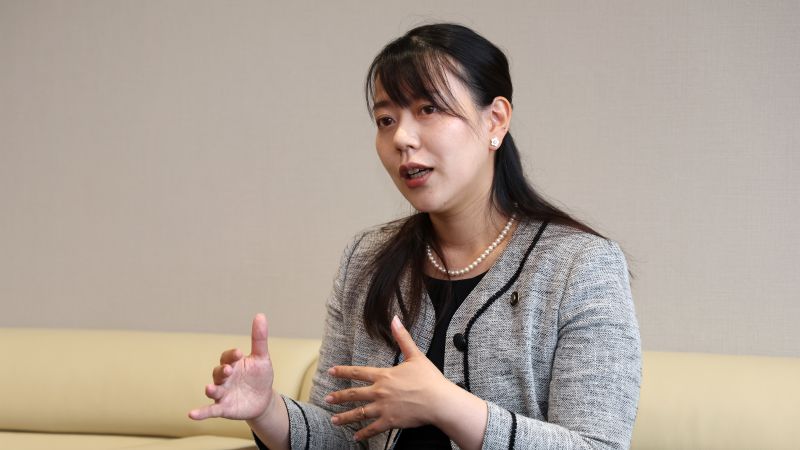
A Japanese mayor is making history – Japan’s political landscape is witnessing a transformative moment as Shoko Kawata, the 35-year-old mayor of Yawata city in Kyoto Prefecture, becomes the first incumbent mayor to take maternity leave. Her decision, announced in early June 2026, marks a significant shift in the nation’s traditionally male-dominated leadership structures. Kawata, who was elected in 2023, is due to give birth in mid-September, and she plans to take 16 weeks of leave—eight weeks before and eight weeks after childbirth—drawing attention to a long-standing gap in Japan’s labor and political systems.
While maternity leave is a standard benefit for public employees, elected officials like mayors have historically been exempt from such guarantees. Kawata’s move has ignited a national conversation about work-life balance and the role of gender in shaping political careers. Her absence from the workplace during this critical period will be managed by appointing a deputy mayor to lead the city of nearly 70,000 residents, which lies approximately 285 miles southwest of Tokyo. Despite her plans to stay connected by checking emails, Kawata’s absence highlights the challenges faced by women in leadership roles who must balance professional responsibilities with personal milestones.
Breaking Barriers in a Male-Dominated System
Kawata’s decision is seen as a potential catalyst for change, particularly as Japan continues to struggle with a declining birth rate and persistent gender disparities in political representation. Women currently account for less than 15% of the House of Representatives, according to the International Parliamentary Union’s Parline database, a statistic that underscores the country’s slow progress toward gender equality. However, Kawata’s actions are part of a growing trend, with the number of female mayors in Japan increasing from around 50 to nearly 80 over the past five years, as reported by Stefanie Schwarte of Ludwig-Maximilians-Universität.
Schwarte notes that this rise reflects a broader shift in attitudes, though challenges remain. “More women are defying traditional norms in politics,” she explains, adding that female mayors are increasingly serving multiple terms. These leaders serve as role models, demonstrating that both men and women can excel in public service while managing personal responsibilities. Kawata’s case, however, stands out as it directly challenges the assumption that elected officials must prioritize their careers over family life.
“Through this, I hope to encourage not only workers, but also business owners and managers, all those involved in various types of work to embrace these life events, child-rearing and childbirth … while striking a proper balance with their work,” Kawata told CNN. Her words resonate in a country where cultural expectations often pressure women to shoulder the majority of caregiving duties. The debate over her maternity leave has also taken on added significance amid Japan’s ongoing efforts to reverse its demographic crisis.
A Nation in Crisis: Declining Birth Rates and Work Culture
Japan’s birth rate has reached a new record low in 2025, with only 671,236 births logged for Japanese nationals—a 10th consecutive year of decline. This trend has prompted the government to implement a range of policies, including financial incentives for childbirth and housing subsidies, as well as initiatives to encourage fathers to take paternity leave. Yet, many experts argue that these measures are insufficient to counteract the deep-rooted overwork culture that has long been a barrier to family formation.
Sawako Shirahase, a sociology professor at the University of Tokyo, highlights how outdated assumptions about work and family responsibilities persist in Japanese society. “The legal framework itself doesn’t assume that mayors or the head of the public office would take maternity leave,” she explains. “But at the same time, no one can prohibit (someone) from taking the leave … so it’s quite a gray zone.” Shirahase’s perspective underscores the tension between tradition and modernity in Japan’s approach to gender roles and employment policies.
Meanwhile, Kawata’s decision has sparked both praise and criticism on Japanese social media. Some argue that public officials’ time away from duty represents a misuse of taxpayer funds, while others view it as a necessary step toward gender equity. Kawata, however, has received widespread support from those she has spoken to in person. “They’ve been telling me to go ahead and take it,” she said. “The staff at the government office, as well as members of the public, have been telling me without hesitation that I should just take a break.” This positive reception suggests a growing acceptance of the idea that leadership should accommodate the diverse needs of its members.
From Maternity Leave to Cultural Change
Kawata’s experience is emblematic of a larger movement toward redefining work-life balance in Japan. Her 16-week leave, though brief in the context of a city’s administrative needs, symbolizes a willingness to prioritize family and well-being over relentless professional demands. This shift aligns with global efforts to promote gender equality, yet Japan’s progress remains slower compared to other nations. The country’s first female prime minister, elected just a year prior, represents a milestone, but women still hold a minority position in national politics.
Experts suggest that Kawata’s example could inspire future leaders to adopt more flexible policies. “We can also see more and more female mayors who stay on for a second, third, fourth term,” Schwarte said, emphasizing the importance of these role models in reshaping societal norms. As Japan’s population continues to shrink, the need for such changes becomes more urgent. The government’s push to increase births has intensified in recent years, with new programs targeting both parents and caregivers. Yet, the roots of the crisis lie in the country’s deeply ingrained work culture, which often leaves young professionals with little time or energy to start families.
“Many young people of childbearing age may choose to focus on their careers rather than starting a family,” Shirahase observed. “Employees across various sectors report punishing hours, high pressure from supervisors, and, in extreme cases, ‘karoshi’—a term meaning ‘death by overwork’—used around cases of fatal work-induced heart and brain conditions.” Kawata’s maternity leave, therefore, not only addresses immediate personal needs but also challenges the systemic barriers that contribute to Japan’s demographic challenges.
As Kawata prepares to step into her new role as a mother, her journey serves as a testament to the evolving dynamics of Japanese leadership. Her decision to take time off for childbirth is a bold statement in a nation where such choices were once considered rare or even unconventional. By embracing this balance, Kawata aims to pave the way for a future where public officials can thrive without sacrificing their personal lives. Her actions may not only redefine the role of women in politics but also influence broader cultural attitudes toward work and family, offering a beacon of hope in a country striving to adapt to the demands of the 21st century.
In an interview with CNN, Kawata expressed her vision for a more inclusive society. “I hope this will encourage others to see that being a leader doesn’t mean being a permanent worker,” she said. Her message resonates as Japan seeks to reconcile its traditional values with the realities of a shrinking population and an increasingly diverse workforce. With her example, the nation may finally begin to move toward a system where both men and women can lead with confidence, knowing that their responsibilities extend beyond the confines of the office.
A Path Forward for Work-Life Balance
While Kawata’s maternity leave is a pioneering step, it also raises questions about the broader legal framework governing elected officials. Currently, there is no mandatory policy requiring mayors or other local leaders to take time off for childbirth, leaving the decision to individual discretion. This lack of structure has allowed Kawata to become a symbol of change, but it also highlights the need for systemic reforms to support all public servants.
“This is a chance to rethink how we value leadership,” Shirahase said. “If a mayor can take maternity leave without compromising her duties, why shouldn’t other officials have the same flexibility?” The professor’s comments point to a future where work-life balance is not an afterthought but a foundational principle of governance. Kawata’s appointment of a deputy mayor to cover her responsibilities during the leave further illustrates how leadership can adapt to ensure continuity while accommodating personal needs.
As the debate over Kawata’s decision unfolds, it becomes clear that her actions are more than a personal choice—they are a cultural turning point. By taking maternity leave, she challenges the notion that elected officials must be constantly available, paving the way for a new era of public service that values both productivity and well-being. Her journey is a reminder that progress often begins with individual courage, and in Japan, that courage may now be inspiring a collective shift toward a more balanced and inclusive society.
