
Poland revives its ‘Highway to Hel’ 666 bus route
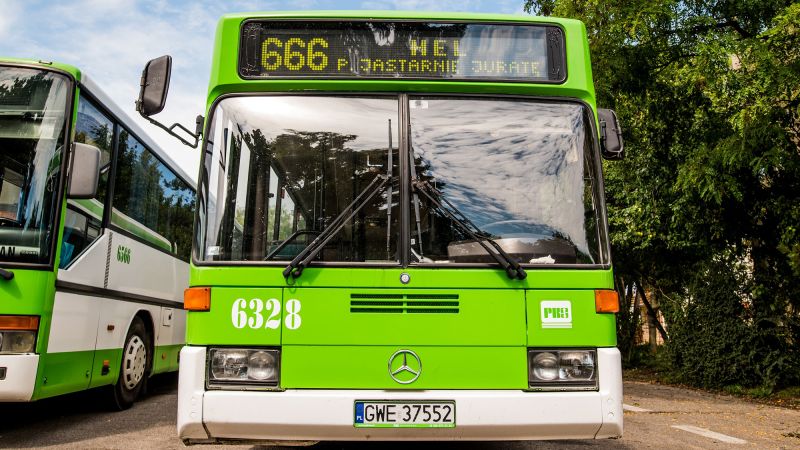
Poland’s Controversial ‘Highway to Hel’ 666 Bus Route Makes a Comeback
A Historic Revival Amid Symbolic Controversy
Poland revives its Highway to Hel 666 – Poland’s once-vanished ‘Highway to Hel’ bus route, infamous for its association with the biblical number 666, is set to return this summer. The route, which connects the southern city of Krakow to the coastal town of Hel, has sparked renewed debate due to its numeric moniker, often linked to Satanism. After a three-year hiatus following its initial cancellation in 2023, Flixbus, a leading coach operator, has announced plans to reintroduce the number 666 as part of its seasonal service. This decision has reignited discussions about the cultural and religious implications of the bus’s designation, which once drew criticism from Christian groups concerned about its symbolic ties.
The Number 666: A Biblical and Cultural Significance
The number 666, commonly known as the “number of the beast,” has long been a subject of fascination and controversy in religious and secular contexts. In the Book of Revelation, it is described as a mark of the Antichrist, representing evil or rebellion against divine order. This interpretation has influenced various cultures, from medieval Europe to modern interpretations in popular media. Despite its negative connotations, the revival of the 666 bus route reflects a broader trend of using symbolic numbers in branding strategies to create memorable or provocative identities. Flixbus’s choice of the number is not merely for shock value; it aims to distinguish the route in a crowded market and generate buzz during peak travel season.
“The goal is primarily to highlight the seasonal route and draw attention to a new travel option to this iconic destination on the Polish coast,” a Flixbus spokesperson told CNN affiliate TVN24. “The number 666 was deliberately chosen as part of our marketing strategy to increase the route’s visibility on the popular summer route to Hel.”
The spokesperson emphasized that the number serves as a bold statement to capture public interest, leveraging its historical notoriety to stand out in the transportation industry. While some critics may view the move as an attempt to provoke controversy, Flixbus argues it is a calculated effort to align with the growing demand for unique travel experiences. The route’s return also underscores the enduring appeal of Hel, a destination renowned for its pristine beaches and vibrant tourist economy.
A Journey from Krakow to Hel: The Route’s New Designation
The revived 666 bus service will operate once daily during the summer months, linking Krakow with the Hel Peninsula—a key area on Poland’s Baltic coastline. Along the way, the buses will make stops in major cities such as Warsaw and several seaside towns, offering travelers a scenic and convenient option to access the resort. This schedule is designed to accommodate the increased volume of tourists seeking summer escapes, with the Hel Peninsula remaining a top destination for both domestic and international visitors. The route’s seasonal nature highlights its role in connecting inland regions to coastal attractions, a crucial aspect of Poland’s tourism infrastructure.
Previously, the 666 bus was operated by PKS Gdynia, a local transport company that faced backlash for its decision to use the number. In 2023, the company opted to change the route’s designation to 669, citing concerns from Christian groups about the symbolic implications of the original number. However, the switch did not fully resolve the issue, as the new number was still viewed by some as a subtle nod to the same controversy. Flixbus’s revival of the 666 designation appears to be a direct response to this ongoing debate, positioning the bus as a statement of defiance or innovation in the face of traditional concerns.
The Debate Over Symbolism and Public Perception
The decision to reintroduce the number 666 has not been without scrutiny. While Flixbus frames the move as a marketing tactic to boost visibility, some religious organizations have expressed reservations. For them, the number carries deep symbolic weight, representing a link to the Devil in Christian theology. Critics argue that using such a designation could alienate passengers or perpetuate negative stereotypes. However, proponents of the route maintain that the number’s controversy is a valuable asset, drawing attention to the service in a way that conventional numbering might not.
Interestingly, the term “Highway to Hel” itself has historical roots. It was first coined in the 1960s as a nickname for the road connecting Krakow to Hel, a name that has persisted through decades of cultural and political change. The revival of the 666 number adds a modern twist to this legacy, blending tradition with contemporary branding. This juxtaposition raises questions about how Poland balances its religious heritage with progressive marketing strategies. For Flixbus, the move is a testament to the power of symbolism in shaping consumer interest, even in the face of historical associations.
Hel’s Appeal and the Route’s Strategic Importance
Hel, a picturesque seaside resort on Poland’s Baltic coast, continues to attract millions of visitors each year. Its clear waters, expansive sandy beaches, and proximity to other tourist sites like the Vistula Lagoon make it a must-visit destination for those seeking relaxation or adventure. The 666 bus route, now under Flixbus, is positioned as a vital link between Krakow’s cultural landmarks and Hel’s natural beauty, facilitating travel for a diverse range of tourists. By reintroducing the number, the company hopes to tap into the intrigue surrounding its designation, using it as a conversation starter in an era where social media plays a significant role in shaping travel trends.
Poland’s tourism sector has seen steady growth in recent years, driven by increasing accessibility to its scenic landscapes and historical sites. The 666 bus route is part of this expansion, offering a streamlined option for travelers to access Hel without the need for multiple transfers or complicated itineraries. The service’s one-day frequency during the summer months is tailored to meet the high demand for coastal tourism, with departures timed to align with peak travel hours. This strategic approach not only benefits Flixbus but also supports local businesses along the route, from restaurants to hotels, which rely on the influx of seasonal visitors.
A Symbol of Resilience and Innovation
As the 666 bus route prepares for its return, it becomes a symbol of Poland’s ability to embrace both its historical roots and modern sensibilities. The number’s resurgence reflects a broader cultural trend where symbolic meanings are reinterpreted to suit contemporary contexts. While the initial association with the “number of the beast” may still evoke unease among some, the bus’s practical value as a transportation option cannot be ignored. For many travelers, the designation is a minor curiosity rather than a significant concern, highlighting how public perception of symbols can evolve over time.
The route’s revival also serves as a reminder of the role that transportation plays in connecting communities and shaping economic activity. In a country where geography often presents challenges to accessibility, the 666 bus represents a solution that combines convenience with a touch of audacity. As Poland continues to invest in infrastructure and promote its tourism industry, the 666 number may become a defining element of its summer travel narrative, blending the mystique of the past with the aspirations of the present. Whether viewed as a bold marketing move or a symbolic statement, the return of the 666 bus route is a testament to the dynamic nature of Poland’s cultural and economic landscape.
