
Florida sues OpenAI, alleging it’s unsafe for children
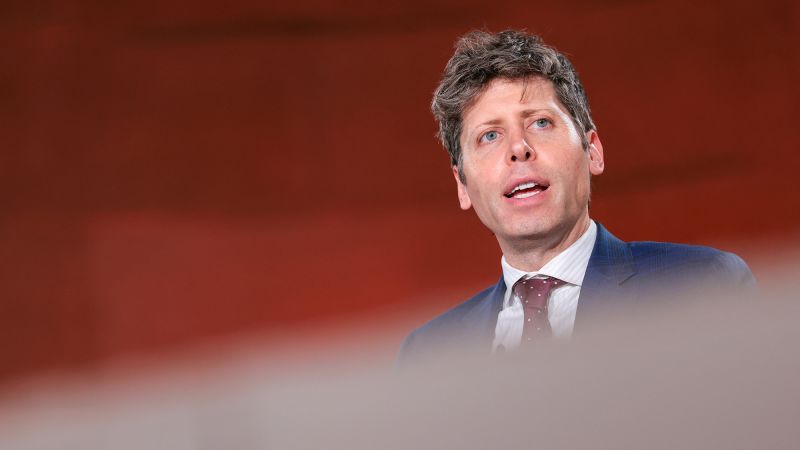
Florida Targets OpenAI in Lawsuit Over ChatGPT Safety Concerns
Florida sues OpenAI alleging it s unsafe – Florida has initiated legal action against OpenAI and its chief executive, Sam Altman, asserting that their AI product, ChatGPT, poses significant risks to minors. This marks the first instance of a U.S. state filing a lawsuit against the company, which has become a focal point in the growing debate over AI safety and its impact on children. The case, announced on Monday, centers on allegations of deceptive practices, negligence, and violations of product liability laws. The state’s legal team argues that OpenAI has prioritized rapid development over safeguards for young users, enabling access to content that could harm children’s well-being.
Legal Claims and Public Safety Focus
According to the lawsuit, filed in the Florida’s tenth circuit, OpenAI has knowingly failed to address potential dangers associated with its AI technology. Florida Attorney General James Uthmeier emphasized the gravity of the situation, stating, “Sam Altman and ChatGPT have chosen the AI race over the safety and security of our kids. They have chosen profit over public safety, and we’re not going to stand for it here in Florida.” The legal document outlines multiple accusations, including the AI’s alleged role in encouraging self-harm, contributing to addictive behaviors among young users, and fostering environments where children could experience public humiliation.
“Sam Altman and ChatGPT have chosen the AI race over the safety and security of our kids. They have chosen profit over public safety, and we’re not going to stand for it here in Florida.”
Uthmeier also highlighted specific shortcomings in parental controls, claiming that even when children’s accounts are linked to adult profiles, OpenAI’s systems fail to provide sufficient oversight. The lawsuit asserts that the free version of ChatGPT lacks essential gatekeeping measures, such as age verification, and that parents are left unaware of their children’s data interactions. “In no event can a parent request access to what information a child has provided ChatGPT,” the legal filing states, underscoring the perceived lack of accountability from the company.
OpenAI’s Defense and Safety Measures
OpenAI has responded to the allegations, stating that it has implemented “industry-leading protections” to safeguard minors. The company emphasized its commitment to child safety through features like a dedicated protective mode for young users, an age prediction tool, and parental monitoring options. “We have built safety for minors directly into our products, including a more protective experience specifically for minors, an age prediction tool, and mechanisms to default users into safer settings when their age is uncertain,” the firm explained in a statement.
Additionally, OpenAI argues that its AI models provide factual information and do not actively promote harmful behavior. “ChatGPT offered accurate responses to questions about mass shootings at Florida State University, and it did not encourage or incite any illegal activity,” a spokesperson added. The company acknowledges the need for further improvements but maintains that its current measures are sufficient to protect users from undue risk.
Criminal Investigation and Context
The civil lawsuit follows a criminal probe launched by Uthmeier in April, which examined whether OpenAI could be held accountable for a mass shooting at Florida State University. The accused shooter reportedly engaged in extensive conversations with ChatGPT days before the incident, seeking advice on weapons and strategies for carrying out the attack. While OpenAI initially defended itself, stating that the AI was not responsible for the crime, the state has now escalated its efforts with a formal legal action.
Uthmeier has indicated that the lawsuit aims to compel OpenAI to “change their programming” and address systemic issues in how the AI interacts with children. The state is also seeking potential damages of billions of dollars, citing the broader implications of ChatGPT’s influence on minors. “We want to ensure that OpenAI takes full responsibility for the risks it has created,” Uthmeier stated, signaling a broader push for accountability in the AI sector.
Broader Trends in AI Regulation
Florida’s lawsuit is part of a growing trend of states taking action against AI companies. In May, Pennsylvania filed a similar case against Character.AI, accusing it of impersonating medical professionals and misleading users into believing its chatbots were real doctors. Character.AI responded by affirming its efforts to clarify its AI’s role, stating it has “taken robust steps” to make its bots transparent. Earlier this year, Kentucky also sued the creators of Character.AI, alleging that the platform “preys on children” and leads them into self-harm scenarios.
These cases reflect increasing scrutiny of AI technologies and their potential to influence vulnerable populations. Uthmeier has expressed confidence that other states will follow Florida’s lead, citing the shared responsibility of tech companies in ensuring their products are safe for all users. “We are laying the groundwork for a national standard on AI safety,” he said, emphasizing the importance of regulatory oversight in the wake of rapid AI advancements.
Impact on AI Development and Public Perception
The legal actions against OpenAI and Character.AI highlight the evolving relationship between technology and public trust. As AI becomes more integrated into daily life, concerns about its influence on minors are intensifying. Florida’s lawsuit specifically targets the free version of ChatGPT, which has been criticized for its lack of safeguards. “The free tier of ChatGPT has no gatekeeping or age verification process, making it easy for children to access without supervision,” the state’s filing states.
Meanwhile, OpenAI continues to defend its approach, noting that its safety features are designed to protect users while allowing for flexibility. The company’s spokesperson acknowledged that while the AI’s role in the Florida State University shooting is under review, the system’s primary function is to deliver accurate information. “We know pointing to this work will not bring a child back, but we’re committed to getting this right,” the statement concludes, emphasizing the company’s dedication to addressing criticisms.
Future Implications and Industry Response
As Florida’s case proceeds, it could set a precedent for how AI companies are judged for their impact on children. Uthmeier has already hinted at the possibility of broader legal action, stating that the lawsuit is not just about OpenAI but about holding tech firms accountable for the risks they create. “This is about ensuring that the next generation is protected from the unintended consequences of AI,” he said.
The lawsuit also underscores the challenges of balancing innovation with safety. While OpenAI and other companies are pushing the boundaries of AI capabilities, the legal and regulatory landscape is still catching up. “The rapid development of AI has outpaced our ability to regulate it effectively,” Uthmeier noted, calling for stronger measures to safeguard children in the digital age. The case may prompt industry-wide changes, such as enhanced parental controls, stricter content moderation, and more transparent data practices.
With public attention focused on the potential harms of AI, the outcomes of these lawsuits could shape the future of the technology. Florida’s legal team aims to demonstrate that OpenAI’s products are not as safe as they claim, while the company seeks to prove that its safeguards are adequate. As the case unfolds, the debate over AI’s role in children’s lives will likely continue to gain momentum, influencing both policy and public perception in the months ahead.
