
Memorial Day sticker shock: Gas prices near all-time highs
Memorial Day Sticker Shock: Gas Prices Near All-Time Highs
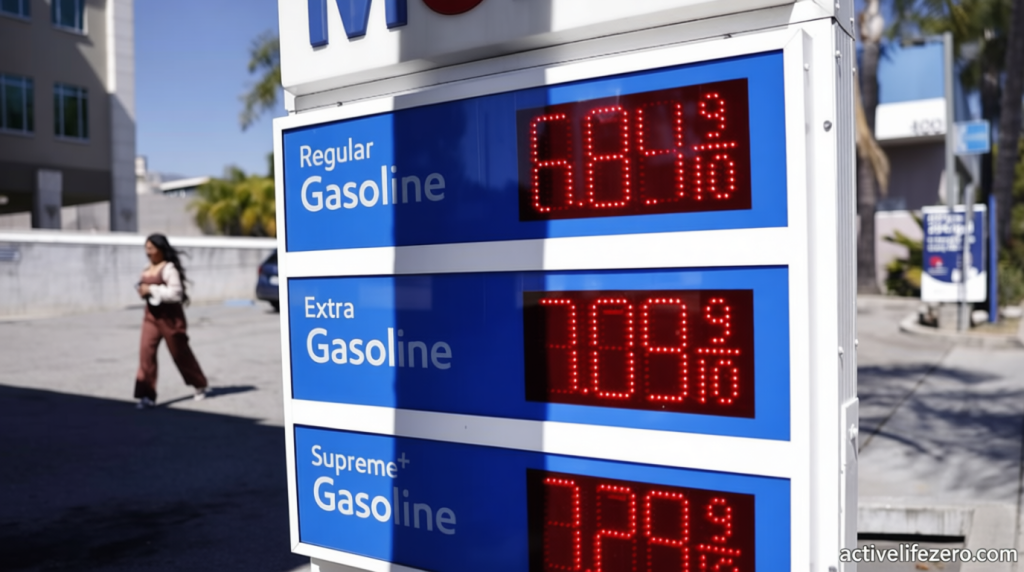
Memorial Day sticker shock – The upcoming Memorial Day weekend, a traditional kickoff to summer travel, is bringing significant financial strain to American motorists. With fuel costs reaching unprecedented levels, tens of millions of drivers face a reality where filling up their cars feels like a major economic hurdle. This surge in gas prices is driven by the ongoing conflict with Iran, which has thrown the global energy market into disarray. Even as the Trump administration implements emergency measures to curb the impact, the situation shows no signs of easing. The elevated prices are adding to the growing dissatisfaction with the current economic climate, particularly among voters who have been feeling the pinch of rising living expenses.
GasBuddy, a crowdsourced fuel price tracking service, forecasts that the national average for regular gasoline will hover around $4.48 per gallon during the Memorial Day holiday. This figure marks a 42% increase compared to last year’s average, placing it second on record for the highest prices during this time. The only instance where gas prices exceeded this level was in 2022, following Russia’s invasion of Ukraine, when the average reached $4.61. De Haan, GasBuddy’s head of petroleum analysis, warns that the trend may continue, predicting the national average could climb to $5 per gallon next month if the Strait of Hormuz remains closed. For the summer months—spanning from Memorial Day to Labor Day—GasBuddy anticipates prices will average $4.80, surpassing the previous summer record of $4.43 set during Biden’s tenure.
“Prices were incredibly stable last summer. This summer is probably the complete opposite, perhaps the most volatile,” De Haan remarked, emphasizing that the outlook depends heavily on the status of the Strait of Hormuz. The closure of this critical shipping channel has become a focal point for global energy markets, creating uncertainty about future trends. While the White House has taken several steps to stabilize prices, including releasing oil from the Strategic Petroleum Reserve, waiving the Jones Act, and invoking the Defense Production Act, these measures have not been enough to reverse the upward trajectory of fuel costs.
The economic toll of high gas prices is becoming increasingly evident. A recent report from Brown University’s Climate Solutions Lab estimates a $43 billion spike in energy expenses since the Iran war began. This figure is calculated by comparing current gasoline and diesel prices to what they might have been in the absence of the conflict. Gasoline alone contributes $24 billion to this surge, translating to nearly $200 per household in additional costs. For individuals with long commutes, the financial strain is particularly acute. Chris Haenel, a Pittsburgh resident, highlights the impact, noting that his weekly fuel expenditure has jumped from $50 to $80. “Every day, I drive by the gas station and it’s just insane,” Haenel said, describing the difficulty of managing expenses as he works in the computer repair industry.
Haenel is not alone in his frustration. The spike in fuel prices has also pushed the US inflation rate to nearly 4% in April, marking the first time in three years that real wages—adjusted for inflation—have begun to shrink. This means consumers are facing higher prices without corresponding increases in income. “Everything goes up—except the paycheck. My wife comes home with three bags of groceries and it’s $300,” Haenel explained. “I’m 60 years old and trying to save for retirement, but this is limiting how much I can save.” His experience reflects a broader sentiment among Americans, with 75% of respondents in a CNN poll reporting that the Iran conflict has negatively impacted their finances.
Despite these challenges, a record 39.1 million Americans are expected to travel by car this Memorial Day weekend, according to AAA. This number is slightly above the 39 million recorded in 2025, indicating that the desire for summer travel remains strong despite the economic burden. The continued demand for road trips, combined with the current supply chain disruptions, has kept prices at a high level. However, the administration maintains that these measures are temporary and part of a larger strategy to secure long-term energy stability.
President Donald Trump, who once positioned gas prices as a central issue in his campaign, is now facing criticism over the situation. A CNN poll reveals that only 21% of Americans approve of his handling of gas prices, a stark contrast to his previous support. While a majority of Republicans disapprove, the White House insists Trump’s policies are working. Taylor Rogers, a White House spokeswoman, stated, “President Trump remains committed to fully unleashing American energy dominance, lowering costs, and putting more money back in the pockets of hardworking American families.” She added that the ongoing blockade against Iran is a key factor in this strategy, aiming to bring the conflict to a swift conclusion.
Trump himself has downplayed the current gas price crisis, dismissing it as a minor inconvenience. “This is peanuts,” he told reporters, suggesting that the temporary spike is manageable and not a major issue. He argued that the security benefits of preventing Iran from acquiring a nuclear weapon justify the increased costs. However, retirees like Gary Auerswald in Illinois have a different perspective. “It’s not a small price to pay,” Auerswald said, highlighting the financial strain on everyday households. The debate over the trade-offs between energy security and affordability continues to shape public opinion.
The administration’s emergency actions, such as releasing oil from the Strategic Petroleum Reserve and pausing Russian oil sanctions, have been aimed at stabilizing the market. Yet, the effectiveness of these measures is being questioned as prices remain stubbornly high. The situation underscores the delicate balance between geopolitical tensions and domestic economic stability, with gas prices serving as a barometer of the administration’s success in managing both. As the summer months unfold, the pressure on households to adapt to these costs will likely intensify, testing the resilience of the American economy.
While the immediate impact of the Iran war is clear, the long-term consequences are still unfolding. For many, the rising costs of fuel are a daily reminder of the challenges posed by global conflicts and their ripple effects on everyday life. The national average for gas prices, now approaching $4.50, is a stark contrast to the relative stability seen in previous years. This shift has not only affected individual budgets but also contributed to a broader sense of economic uncertainty. As the summer progresses, the question remains: will these prices stabilize, or will the energy market continue to fluctuate under the weight of ongoing geopolitical tensions?
De Haan’s forecast highlights the vulnerability of the energy market to external shocks, with the Strait of Hormuz closure acting as a catalyst for price volatility. The situation also raises concerns about the future of energy independence, as the administration’s efforts to control prices must now contend with both domestic and international factors. For families already struggling with rising expenses, the added cost of fuel is a significant burden. The financial strain is compounded by the fact that many Americans are saving less than before, with the inflation rate making it harder to maintain their standard of living.
As the holiday season approaches, the focus on gas prices is expected to remain high, influencing voter sentiment and economic discussions. The contrast between the administration’s promises and the current reality is becoming more pronounced, with critics pointing to the growing cost of living as evidence of the challenges faced. Meanwhile, the administration continues to defend its approach, citing the necessity of a strong stance against Iran to secure energy stability. For now, the Memorial Day weekend serves as a reminder of how interconnected global events are with the daily lives of American consumers, particularly in the realm of energy costs.
