
Target’s comeback strategy is working
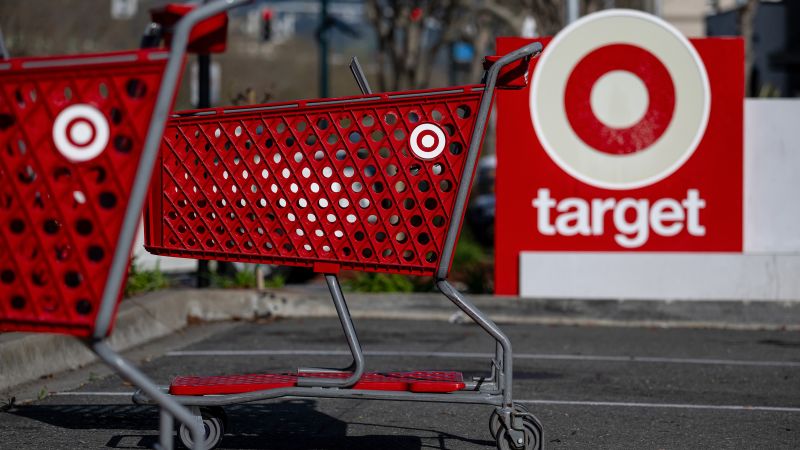
Target’s Strategic Rebound
Target s comeback strategy is working – Despite the persistent rise in fuel costs, American consumers are demonstrating renewed confidence in their spending power, with Target witnessing a notable resurgence in sales activity. The retailer reported a 5.6% year-over-year increase in comparable sales for its most recent quarter, marking the strongest performance in over four years. This growth encompasses both in-store and online transactions, highlighting a broad-based recovery across the company’s diverse offerings. The positive momentum has prompted Target to revise its annual sales projections upward, signaling optimism about sustained consumer engagement. Analysts are closely watching these developments, as they suggest the company may be reclaiming its footing in a competitive market.
Celebrating Broad-Based Growth
Target’s recent results reflect a balanced approach to customer acquisition, with gains observed across various demographic segments and product categories. Notably, the retailer has managed to attract shoppers in nonessential markets such as toys and beauty, areas that were previously underperforming. This even distribution of sales growth underscores a shift in consumer priorities, where the appeal of in-store experiences and curated selections is overshadowing price-driven decisions. The company’s ability to maintain this momentum amid economic headwinds is a testament to its evolving strategy and adaptability.
Target’s success is not an isolated phenomenon but part of a larger trend in the retail industry. For three consecutive months, overall retail sales have shown upward movement, even as energy costs continue to climb. This resilience is attributed to several factors, including a robust labor market and increased tax refunds, which have provided consumers with more disposable income. These conditions have created a favorable environment for retailers to recover from earlier challenges, with Target emerging as a standout performer. The company’s ability to align with broader economic trends while maintaining its distinct identity is a key factor in its current trajectory.
“Our consumer is a microcosm of the American consumer,” said Target CEO Michael Fiddelke during a media briefing on Tuesday. “We see a consumer that continues to be resilient.”
Fiddelke, who assumed leadership earlier this year, has emphasized transforming Target into a destination that offers both value and an engaging shopping experience. His vision contrasts with the strategies of Walmart, which prioritizes cost leadership, and Amazon, known for its convenience and delivery speed. Target’s unique selling proposition lies in its store environment, where customers are encouraged to explore and discover products through a “treasure hunt” atmosphere. This approach has resonated with shoppers, fostering a sense of excitement and personal connection with the brand.
Overcoming Past Challenges
Target’s current success comes after navigating a series of strategic missteps and intensifying competition. In recent years, the retailer faced criticism for its decisions to scale back Pride displays and reduce diversity, equity, and inclusion initiatives, which alienated a segment of its customer base. However, these adjustments were part of a broader effort to recalibrate its brand identity and focus on immediate consumer appeal. The company’s ability to pivot and address these concerns has allowed it to rebuild trust and regain market share.
While Walmart continues to dominate with its price-focused model and Amazon remains a leader in digital convenience, Target has carved out a niche by emphasizing in-store engagement and the introduction of trendy, co-branded products. The collaboration with Pokémon, a global phenomenon, and Parke, a brand favored by social media influencers, has played a pivotal role in driving foot traffic. These partnerships not only tap into popular culture but also create a sense of novelty, encouraging customers to visit physical stores for unique experiences that online platforms struggle to replicate.
Fiddelke’s strategy has been centered on creating a dynamic retail experience that aligns with modern consumer preferences. By integrating popular brands into its stores, Target has successfully bridged the gap between digital and physical shopping, offering a hybrid model that caters to both convenience and discovery. This approach has allowed the company to differentiate itself in a crowded market, where customers are increasingly looking for brands that blend practicality with personality. The results speak for themselves, with the retailer reporting a significant uptick in in-store visits and online activity.
Analyst Perspectives on Target’s Growth
Retail analyst Joe Feldman from Telsey Advisory Group noted that Target’s recent performance is indicative of a potential long-term recovery. “We believe Target should regain market share as it progresses,” Feldman stated in a recent note to clients. His assessment highlights the retailer’s ability to adapt its offerings to shifting market demands while maintaining a strong brand presence. This combination of strategic agility and customer-centric initiatives has positioned Target as a key player in the retail sector’s ongoing transformation.
The company’s focus on creating a vibrant, immersive shopping environment has become a cornerstone of its comeback. While competitors like Walmart and Amazon remain strong, Target’s emphasis on in-store interactions and curated experiences has allowed it to capture a loyal following. This strategy has not only boosted sales but also reinforced the retailer’s role as a community hub, where shoppers can connect with brands in a more tangible way. As the retail landscape continues to evolve, Target’s ability to balance tradition with innovation will be critical to its sustained success.
With its latest results, Target is proving that its strategic overhaul is yielding tangible benefits. The 5.6% sales growth, coupled with the company’s revised guidance, signals a shift from previous underperformance to a period of consistent growth. This turnaround is particularly significant given the headwinds the retail sector has faced, including inflation and supply chain disruptions. By capitalizing on consumer resilience and leveraging strategic partnerships, Target is redefining its place in the market and setting the stage for future expansion.
Looking ahead, the success of Target’s initiatives will depend on its ability to maintain this momentum. The company’s recent focus on introducing new, buzzy brands has already made a measurable impact, and further collaborations may strengthen its position even more. As the retail sector continues to adapt to changing consumer behaviors, Target’s strategy of blending affordability with experiential shopping could serve as a model for other retailers. With a healthy labor market and a consumer base that remains optimistic, the path forward appears promising for the struggling giant.
In summary, Target’s comeback is not just a temporary rebound but a strategic repositioning that addresses both internal challenges and external market pressures. The retailer’s ability to balance financial prudence with customer engagement has allowed it to thrive in an environment where many of its peers are struggling. As the company continues to refine its approach, the lessons learned from its recent performance could influence the broader retail landscape, offering a blueprint for resilience in uncertain times.
