UN panel: Russia is committing crimes against humanity by targeting civilians in Ukraine

Daftar Isi
UN Inquiry Says Russian Energy Strikes Amount to Crimes Against Humanity
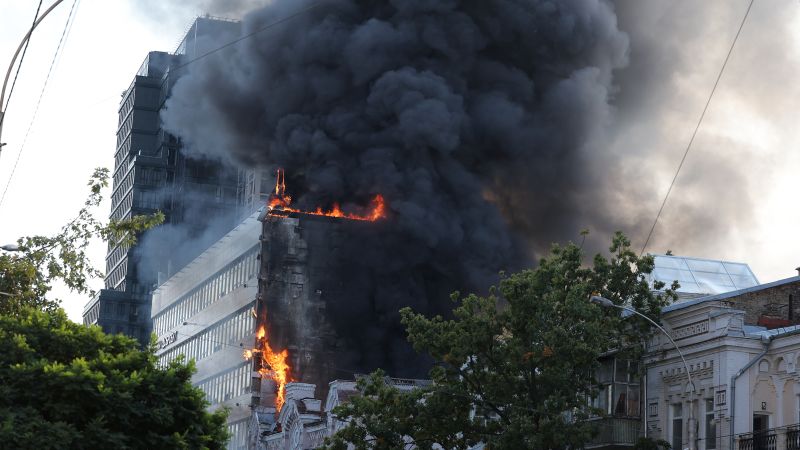
Activelifezero.com – Russia’s sustained attacks on Ukraine’s power and heating systems were deliberately designed to leave civilians without essential energy during winter, an independent United Nations inquiry has concluded. The panel said the campaign constitutes war crimes and crimes against humanity, describing it as part of a state policy intended to inflict suffering on the civilian population.
The findings come as Ukraine again approaches colder months while facing continued large-scale drone and missile strikes. Russian forces began hitting Ukrainian energy facilities in the early stages of the full-scale invasion launched in February 2022, then sharply intensified the campaign at the start of last winter.
For many Ukrainians, the consequences extended far beyond inconvenient blackouts. Damage to generation, transmission and heating infrastructure left millions dealing with dark homes, limited heat and disrupted services during severe winter weather.
Energy systems described as civilian lifelines
The Independent International Commission of Inquiry on Ukraine said Russian commanders understood that the heating infrastructure being hit was indispensable for civilians, particularly in winter. Its new findings are being presented to the UN General Assembly.
“Russian commanders who were ordering these attacks knew that the heating facilities they targeted were indispensable to the civilian population, in particular during the winter,”
The commission said the strikes were intentional and aligned with a Russian state policy aimed at denying people vital energy supplies. Ukraine said the heaviest attacks last winter cut thermal power generation capacity by 70% in the hardest-hit areas.
An unusually harsh winter deepened the emergency, with temperatures falling as low as minus 30 degrees Celsius, or minus 22 Fahrenheit, on multiple occasions. Electricity and heat are closely linked during such conditions: power interruptions can affect lighting, communications, water systems, medical care and the ability to keep homes warm.
Cold-related injuries and deaths
The UN inquiry documented the human cost of prolonged exposure to cold. Ukrainian medical authorities recorded deaths linked to low temperatures in homes and hospitals, while health workers described treating patients whose living conditions had become dangerous.
“Medical personnel from hospitals reported that during the past winter, they attended to patients who developed cold-related trauma, including various degrees of frostbite and hypothermia. The patients had developed these conditions at home, due to exposure to unheated premises and required hospitalization,”
A woman in Dnipro, Ukraine’s fourth-largest city, described the psychological strain caused by the loss of heat.
“Cold—it paralyzes you; there’s simply no way to get warm, and terrifying thoughts come into your mind,”
Such testimony illustrates why the inquiry focused on civilian infrastructure rather than treating the attacks only as damage to physical assets. Heating facilities and electrical systems support everyday survival, especially for older people, children, hospital patients and residents of apartment buildings dependent on centralized services.
Senior Russian officials named in findings
The commission named Russian President Vladimir Putin among the senior officials it considers most responsible for conduct it characterized as war crimes and crimes against humanity. The panel pointed to statements by Putin concerning instructions to attack Ukraine’s energy infrastructure.
It also said evidence gathered over several years indicates that former Defense Minister Sergei Shoigu, current Defense Minister Andrey Belousov and Chief of the General Staff Valery Gerasimov were involved in planning and supervising the attacks.
The International Criminal Court has previously issued arrest warrants for Putin, Shoigu and Gerasimov over alleged war crimes and crimes against humanity. The Kremlin was approached for comment on the latest UN findings.
The inquiry was created by the UN Human Rights Council only days after Russia began its full-scale invasion. Earlier work by the commission addressed allegations involving sexual and gender-based violence by Russian armed forces, as well as the widespread forced deportation of Ukrainian children by Russian authorities.
Winter raises renewed fears
Russia has signaled that its pressure on Ukraine’s energy network will continue. The Russian Defense Ministry issued a declaration in August announcing attacks on Ukrainian energy infrastructure and warning:
“In winter you will freeze.”
Ukraine’s ability to intercept incoming attacks has become more difficult because of a critical shortage of air-defense missiles. President Volodymyr Zelensky has repeatedly urged Western partners to provide more ammunition, highlighting the approaching winter as a central concern.
Kyiv has also targeted Russian oil and gas facilities in an effort to reduce revenue from energy exports that supports the Kremlin. Those attacks were eased after criticism from US President Donald Trump, who blamed Ukraine for higher gas prices.
The commission’s conclusions place renewed attention on the legal and humanitarian significance of energy infrastructure in wartime. The panel’s central finding is that the attacks were not isolated military incidents: it says they formed an intentional campaign whose foreseeable effect was to expose civilians to cold, deprivation and danger.
Related Reading
Frequently Asked Questions
What is UN panel?
UN panel is the main topic of this guide. The article explains the context, practical details, and next steps readers should understand.
Why does UN panel matter?
UN panel matters because readers are looking for a useful answer, not just a short summary. Good content should match search intent and help them decide what to do next.