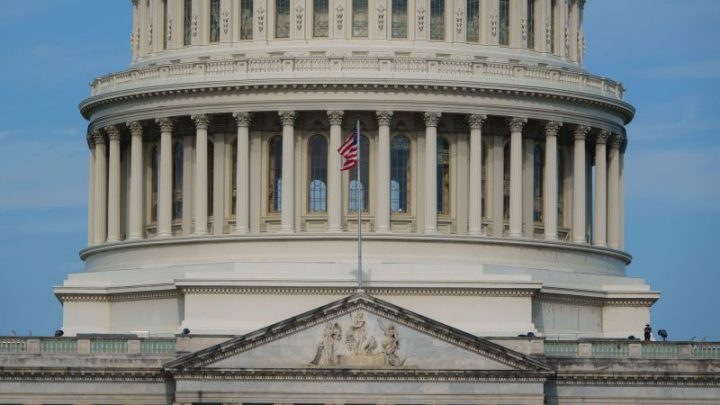
The counties to watch on the massive midterm elections battlefield

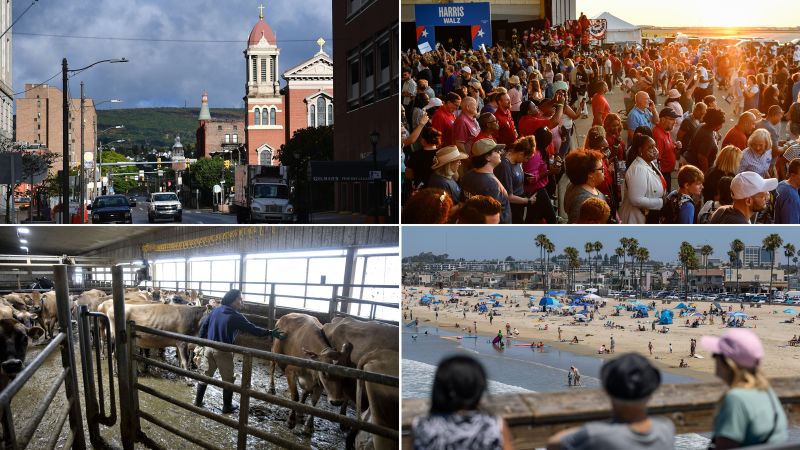
A Wider Map Could Define the 2026 Midterms
Activelifezero.com – One month before Election Day, the 2026 midterm campaign is expanding into territory that once appeared reliably Republican. Growing unease with President Donald Trump’s turbulent second term has given Democrats opportunities in House and Senate contests across blue-collar, rural and culturally conservative communities where they have often fallen short.
The changing outlook does not mean Democrats have an easy path in those areas. Republican advantages remain formidable in many of these states and districts. Yet GOP candidates and outside groups are now committing resources in Alaska, Texas, Iowa and Ohio—places that had long been viewed as comparatively safe Republican ground.
Party strategists are also watching as some Republican candidates begin, often late in the cycle, to distance themselves from Trump on tariffs, the war in Iran and other major policy questions. That movement reflects concern that the president’s standing could affect races far beyond the most obvious battlegrounds.
From Isolated Races to a National Contest
Democratic pollster John Anzalone, who has spent much of his career examining Republican-leaning regions, sees potential openings in contests that previously drew little national attention. Among the possibilities are Republican-held Senate seats in Kansas, Nebraska and Mississippi.
Whether Democrats win those races is uncertain. Still, the fact that entrenched incumbents could face late pressure is itself a familiar sign of a possible wave election. Anzalone compares the atmosphere to 1994, when Republicans took both chambers of Congress after two disorderly years under President Bill Clinton.
“This feels more like 1994 and what I mean by that is not the total number of seats [in play],” Anzalone says. “But it’s that you feel like America is the battleground.”
His expectation is that the election could produce surprise winners—candidates who enter Congress after victories that once seemed highly unlikely. Republican pollster Whit Ayres is less certain that the party is headed for a sweeping defeat, but he sees real danger in the direction of the campaign.
“In this environment, I think we are going to find states in play that we never thought would be in play come in November,” Ayres says.
The central question for voters and campaigns alike is not merely which party wins individual marquee contests. It is whether a broad shift occurs across communities with very different political histories. If it does, close races in unexpected places could collectively reshape the balance of power in Washington and in state capitals.
Warning Signs Within Trump’s Coalition
Polling has shown Trump’s approval falling most sharply among several groups that moved substantially toward him in 2024: younger men, Latino voters and non-White voters without a four-year college degree. Those trends could help Democrats regain support that weakened in the previous presidential election.
There are also signs of strain among groups long central to the Republican coalition. White voters without college degrees, rural voters and more traditional Republicans who feel closer to the party than to Trump’s MAGA movement are all important audiences to watch. Even a modest change among such large voting blocs can alter the map in a midterm, especially where margins are narrow.
Anzalone expects several overlapping stories to emerge from the results. Democrats may benefit if Latino, Black and younger voters return in greater numbers, but a movement among White working-class voters and a smaller Republican edge in rural America could prove equally consequential.
“I think there is going to be a bunch of narratives,” says Anzalone. “One is going to be that Latinos, African Americans, young people came back to the Democrats. That’s going to be number one. But you are going to see a [Republican] bleeding of White working-class voters; and you are going to see a narrowing of the vote in rural America.”
Why County Results Matter
The county-level picture offers one of the clearest ways to measure whether those shifts are real. In 2024, Trump improved on his 2020 performance in nearly 90% of roughly 3,100 counties nationwide. That broad advance crossed regions, population sizes and demographic categories.
For Republicans, the concern is that the pattern could now reverse. A retreat across large metropolitan counties, smaller industrial communities and rural areas would point to a national backlash rather than a problem limited to one state or candidate.
About two dozen representative counties, grouped into six demographic and geographic categories, can help illustrate the direction of the electorate. Their House, Senate and gubernatorial results will not decide every race on their own, but they can reveal which groups are changing allegiance and whether either party is rebuilding a durable coalition.
Urban Turnout Is Still a Democratic Test
Despite encouraging recent polling for Democrats, major cities with large minority populations remain an unresolved part of the party’s equation. Trump made modest gains in votes in many urban centers during 2024, while then-Vice President Kamala Harris saw her totals drop sharply in several of those same places.
Wayne County, centered on Detroit, and Ohio’s Cuyahoga County, centered on Cleveland, are particularly important indicators of whether Democrats have repaired their 2024 turnout problems among urban Black voters. Harris received 40,000 fewer votes in Cuyahoga County than Joe Biden did in 2020, and her Wayne County total was 60,000 lower.
Those gaps matter because Democratic statewide candidates frequently depend on overwhelming margins in urban counties to offset Republican strength elsewhere. Stronger participation there could improve Democratic prospects well beyond city limits; another weak showing could blunt gains in suburban, rural or working-class communities.
Alvin Bernard Tillery, a Democratic pollster focused on Black voters, has raised concern that Democrats may still be short of the margins needed in these foundational urban areas. The outcome in counties such as Wayne and Cuyahoga will therefore offer an early and practical measure of whether the party has restored the turnout and support it needs.
By the end of election night, the most meaningful signal may be the breadth of the change. If Democrats improve only in their traditional strongholds, the midterm map may remain familiar. If their gains stretch from urban centers to rural counties and Republican-leaning states, 2026 could become a defining test of how far the backlash to Trump’s second term has reached.
Related Reading
Frequently Asked Questions
What is The counties to watch on the massive?
The counties to watch on the massive is the main topic of this guide. The article explains the context, practical details, and next steps readers should understand.
Why does The counties to watch on the massive matter?
The counties to watch on the massive matters because readers are looking for a useful answer, not just a short summary. Good content should match search intent and help them decide what to do next.