Trump posts GOP lawmaker’s phone number amid spat over Daylight Saving Time

Daftar Isi
Trump Targets Tom Cotton in Dispute Over Permanent Daylight Saving Time
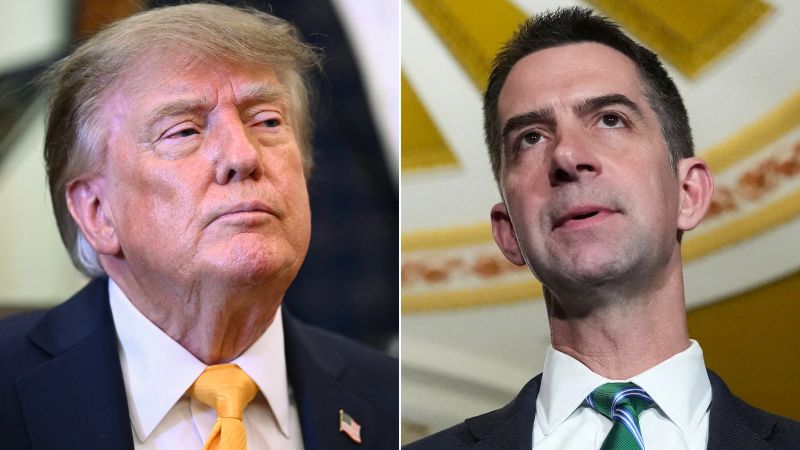
Activelifezero.com – President Donald Trump intensified his campaign against the twice-yearly clock change on Saturday by publicly criticizing Sen. Tom Cotton of Arkansas and sharing the Republican senator’s cellphone number in a social media post.
The dispute centers on the Sunshine Protection Act, legislation that would keep the United States on Daylight Saving Time throughout the year. Trump argued that Cotton is blocking a popular bipartisan measure, while Cotton said permanent daylight saving would create undesirable winter mornings for many Arkansas families.
“Everybody in Arkansas, Tom Cotton, a friend of mine, is holding up a very important Bill,” Trump wrote, describing the proposal as an effort to stop Americans from changing their clocks twice annually.
Trump urged Arkansas residents to contact Cotton and included the senator’s mobile number in the post. Calls to the number later reached a full voicemail box, while another attempt produced an automated message saying the wireless customer was unavailable. Cotton’s office was asked for comment.
House Support Has Not Led to Senate Action
The House passed a measure over the summer to establish permanent Daylight Saving Time across the country, approving it by a 308-117 margin. Despite that broad vote, the Senate has not advanced the proposal.
Trump has repeatedly argued that clock changes inconvenience Americans, disrupt routines and leave people late for appointments or work. His broader criticism of the seasonal time shift has remained consistent, even though his preference between permanent standard time and permanent Daylight Saving Time has changed at different points.
Before leaving the White House for a Republican midterm rally in Ohio, Trump declined to explain why he had posted Cotton’s phone number. Instead, he returned to his objection to changing clocks.
“It makes people — it discombobulates everybody,” Trump said, recalling confusion during the most recent clock change.
Trump later challenged Cotton’s claim that he was putting Arkansas first. In a second post, the president said permanent daylight saving would give residents more usable evening light and spare households, farms and workplaces from having to reset clocks. He attached a letter from PGA Tour CEO Brian Rolapp expressing the tour’s support for the Sunshine Protection Act.
“TAKE THE WIN TOM, JUST TAKE THE WIN!” Trump wrote. “YOU NEED IT, AND SO DOES OUR BELOVED REPUBLICAN PARTY!”
Cotton Cites Dark Winter Mornings
Cotton has taken the opposite view, saying that the frustration of resetting clocks does not outweigh the consequences of keeping Daylight Saving Time in place all year. In 2025, he objected when a bipartisan group of senators sought unanimous consent for similar legislation.
Responding after Trump’s first post, Cotton pointed to earlier federal experiments with permanent Daylight Saving Time. Congress has adopted and later reversed such arrangements after public dissatisfaction with very late winter sunrises.
“No one likes changing the clock, me included, but Congress has enacted permanent Daylight Savings Time multiple times before and repealed it each time once Americans experienced absurdly late sunrises in the winter,” Cotton wrote.
He said Arkansas parents do not want children leaving for school while it is still completely dark and added that he would continue to put the state’s interests first.
The disagreement reflects a long-running national debate with no simple answer. Supporters of permanent Daylight Saving Time say it could end the disruption caused by switching clocks, including difficulties for parents managing children’s sleep schedules. They also contend that longer evening daylight can improve daily routines during much of the year.
Opponents focus on the winter months, when permanent Daylight Saving Time would delay sunrise substantially. In several major American cities, sunrise could occur after 8 a.m. during parts of winter. Critics say that change could affect morning commutes, school travel and industries that start work early, including agriculture.
Security Concerns Raised Over Posted Number
Democratic Rep. Joaquin Castro, who sits on the House Permanent Select Committee on Intelligence, said Trump’s decision to share Cotton’s cellphone number could expose the senator to safety and cybersecurity risks.
Castro said a phone number can be an important starting point for sophisticated foreign governments or non-state actors attempting to compromise a device.
“Really, all they need is your number,” Castro said. “And then they’re sophisticated enough to be able to do it.”
This was not Trump’s first public disclosure of a senator’s personal number. During the 2016 Republican presidential primary, he read Sen. Lindsey Graham’s cellphone number to a rally crowd while the two were competing for the party’s nomination.
For now, the Sunshine Protection Act remains stalled in the Senate. The House vote demonstrated substantial support for ending the current system, but Cotton’s resistance highlights the central policy question: whether Americans would prefer avoiding clock changes even if it means darker mornings during winter.
Related Reading
Frequently Asked Questions
What is Trump posts GOP lawmaker s phone?
Trump posts GOP lawmaker s phone is the main topic of this guide. The article explains the context, practical details, and next steps readers should understand.
Why does Trump posts GOP lawmaker s phone matter?
Trump posts GOP lawmaker s phone matters because readers are looking for a useful answer, not just a short summary. Good content should match search intent and help them decide what to do next.