Cornell president breaks silence amid outcry over handling of sex assault case

Cornell President Speaks Amid Assault Case Outcry
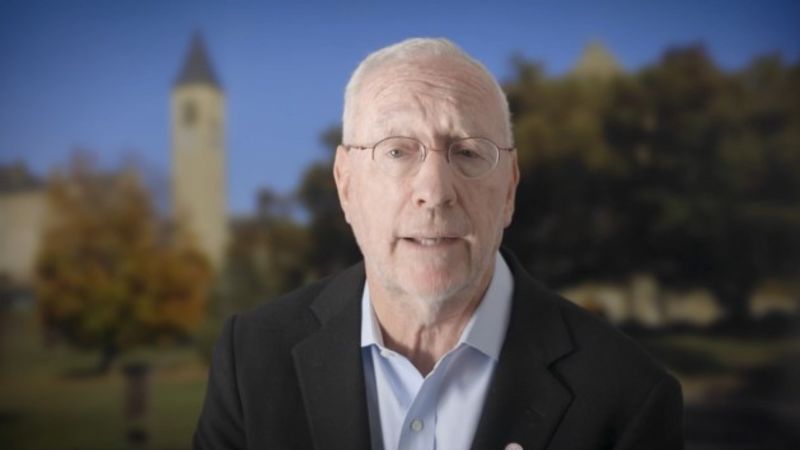
Activelifezero.com – Cornell president breaks silence amid growing criticism of the university’s handling of allegations that a student publicly identified as Jane Doe was sexually assaulted by multiple men at the Chi Phi fraternity house in October 2024. After details from disciplinary records, messages and recorded conversations became public, the university president issued a statement Saturday.
The case has prompted scrutiny of what Cornell police shared with the Tompkins County District Attorney’s Office, which evidence prosecutors reviewed and how a survivor’s account can develop after a traumatic experience.
Questions Over Police Records and Prosecutors
Records show that when Jane Doe contacted campus police, she said she had recently been raped by “8-10 men” at the fraternity house. That wording was not included in the six-page statement later provided to prosecutors.
Cornell first said its police department investigated the allegations in 2024 and gave all investigatory material to the district attorney’s office. The university later revised that account, saying police had shared Jane Doe’s sworn statement and a Snapchat screenshot with prosecutors.
The distinction has become a key issue in the response surrounding the case. A Snapchat message chain includes an image of Jane Doe inside a room at the fraternity house during the period when she says the assault occurred. Prosecutors later said they had access to some Snapchat exchanges from a group chat called “Chi Phi Actives.”
Jane Doe also made a direct rape allegation during an interview that was not included in the six-page statement. Her written account described being struck and feeling emotionally pressured, but it did not contain all the allegations she later made when discussing the incident.
Trauma, Disclosure and the Criminal Case
Differences between an initial written statement and later descriptions do not necessarily amount to a contradiction. In sexual-assault cases, survivors may disclose details over time as they process events, remember more information or find words for experiences that were initially difficult to explain.
Documents show a Cornell police investigator spoke with a member of the district attorney’s staff on November 25, 2024, about reviewing additional evidence. Campus police had conducted more interviews and reviewed chat messages, but the district attorney’s office did not seek that material after deciding not to pursue criminal charges based on Jane Doe’s statement.
“Criminal charges would not be pursued in this case.”
District Attorney Van Houten said charges were not filed because of the six-page statement. He later said additional records gathered by Cornell police were not relevant to the office’s analysis because prosecutors had what he described as Jane Doe’s comprehensive account.
The matter has also renewed attention on New York’s rape law and the limits that legal definitions, available evidence and the criminal burden of proof can place on a prosecution.
What Cornell’s Disciplinary Review Found
A heavily redacted, 99-page document detailing evidence considered by a Cornell disciplinary panel offers a broader view of the university process. The panel reviewed more than 50 interviews, including interviews with six of the seven men accused in the matter.
The records indicate that Jane Doe’s understanding of the night continued to evolve in the weeks after the incident. Three weeks later, she contacted the fraternity member who invited her to the house and asked how other men had entered the room.
“Do you remember how any of these guys walked in?”
In the recorded call, he did not mention a group-chat invitation. He instead referred to an unlocked door, a crowded party and a lack of other available space.
“The door was just unlocked. … The party was sort of like crowded. … There was nowhere else to go.”
Jane Doe told him that the conduct could be understood as gang rape if she chose to pursue the matter. Cornell president breaks silence amid the public reaction as questions continue about the university’s response, the criminal investigation and the campus disciplinary process.
Frequently Asked Questions
What is at the center of the Cornell case? The case concerns allegations by Jane Doe that she was sexually assaulted by multiple men at the Chi Phi fraternity house in October 2024 and questions about the handling of evidence by campus police and prosecutors.
Were criminal charges filed? No. The Tompkins County District Attorney’s Office said criminal charges would not be pursued.
What did Cornell’s disciplinary panel review? The panel considered a heavily redacted 99-page evidence document and more than 50 interviews, including interviews with six of the seven accused men.
Why is the case receiving renewed attention? Cornell president breaks silence amid an outcry fueled by newly public records, questions over what material prosecutors received and debate about how trauma may affect the timing and detail of disclosures.