Morocco’s king appoints first woman prime minister following election

Daftar Isi
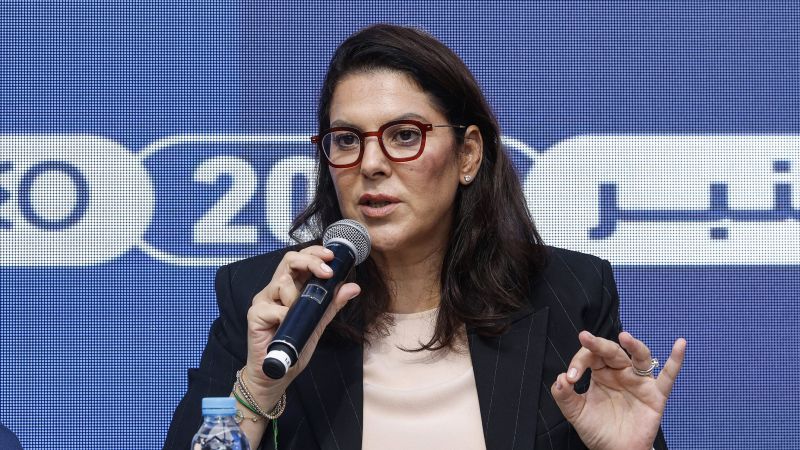
Morocco Names Fatima Ezzahra El Mansouri as Its First Female Prime Minister
Activelifezero.com – Morocco has entered a new political chapter after King Mohammed VI selected Fatima Ezzahra El Mansouri to become the country’s first woman prime minister. Her appointment follows the September 23 parliamentary election, in which her liberal-centrist Authenticity and Modernity Party, known as PAM, secured the biggest share of seats in the House of Representatives.
The royal palace said the king had tasked El Mansouri with assembling the next government. Under Morocco’s constitutional system, the monarch chooses the head of government from the party that finishes first in the lower house of parliament. While elected institutions play a central role in domestic policy, the king retains extensive authority in major areas including diplomacy, defense and other strategic portfolios.
El Mansouri now faces the immediate challenge of coalition negotiations. Once talks are completed, she will present proposed cabinet members for royal approval. The process will determine whether PAM can translate its election victory into a stable governing alliance at a moment when Morocco is managing major economic, social and international priorities.
PAM Moves From Coalition Partner to Election Winner
PAM won 97 seats in the election, moving ahead of the parties that had governed alongside it in the outgoing coalition. The National Rally of Independents, or RNI, took 66 seats, while the conservative nationalist Istiqlal party won 65. The moderate Islamist Justice and Development Party, led by former prime minister Abdelilah Benkirane, received 54 seats and will remain outside government.
Three left-wing parties captured smaller portions of the chamber. The election also drew attention for its lower turnout: participation was about 38%, down from roughly 50% five years earlier. Turnout is closely watched in Morocco as a measure of public confidence in elected political institutions.
PAM was founded in 2008 by an adviser to King Mohammed VI. Over time, it has sought to establish itself as a political alternative to the Justice and Development Party, promoting social modernization and broadly secular-oriented positions. Its rise in the latest vote was strengthened by the recruitment of Fouzi Lekjaa, the head of Morocco’s football federation and a two-time government budget manager, shortly before the election.
The party had been the second-largest force in the outgoing coalition, but its campaign was marked by sharp differences with the RNI. The two parties traded criticism over government performance, including the inability to stop increases in food prices. PAM had initially ruled out continuing a governing partnership with the RNI.
El Mansouri later signaled a more open approach as coalition talks approached.
“We have turned the page,” she said.
She also said there would be no “red lines” in negotiations, leaving room for a broad range of possible governing arrangements. That flexibility may prove important because no party has enough seats to govern alone.
A Government With Major Tasks Ahead
The incoming administration will take responsibility for the final phases of Morocco’s $20 billion preparation program for the 2030 World Cup. Morocco will host the tournament jointly with Portugal and Spain, placing infrastructure, planning and public investment among the government’s most visible responsibilities in the coming years.
The next cabinet will also be expected to pursue economic policies addressing widespread frustration among young people. Youth discontent has become an increasingly important public issue, highlighted by a mass rush toward the Spanish enclave of Ceuta in July and by deadly protests led by members of Generation Z last year.
Food prices, employment prospects and confidence in public institutions are likely to remain central political tests for El Mansouri’s government. The coalition it forms will need to balance competing party agendas while responding to concerns that have shaped voter participation and public debate.
El Mansouri’s Political Profile
A lawyer by profession, El Mansouri served as housing minister in the outgoing government and is also mayor of Marrakech. Her appointment combines national executive experience with leadership in one of Morocco’s best-known cities.
Her selection is historically significant in a country where women have increasingly taken senior institutional roles in recent years. King Mohammed VI has appointed a woman adviser, while the departing government included four women ministers. El Mansouri’s elevation to prime minister represents a further step in that progression, placing a woman at the center of the government-formation process for the first time.
The appointment does not alter the defining features of Morocco’s constitutional monarchy, but it gives El Mansouri a prominent role in setting the government’s domestic priorities and coordinating its political coalition. Her success will depend on whether PAM can build workable partnerships, secure agreement on cabinet positions and deliver policies that address the economic pressures facing many Moroccans.
With the World Cup preparations advancing and public expectations high, the new government will begin its term under close scrutiny. El Mansouri’s coalition negotiations will offer the first indication of how Morocco’s new political balance may shape the country’s next phase of governance.
Related Reading
Frequently Asked Questions
What is Morocco s king appoints first woman?
Morocco s king appoints first woman is the main topic of this guide. The article explains the context, practical details, and next steps readers should understand.
Why does Morocco s king appoints first woman matter?
Morocco s king appoints first woman matters because readers are looking for a useful answer, not just a short summary. Good content should match search intent and help them decide what to do next.