Paul Whelan helps craft bill to compensate Americans wrongly detained abroad

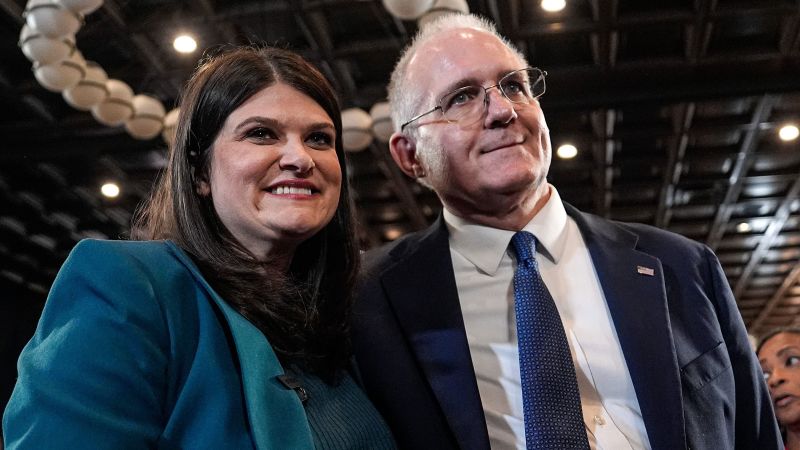
Paul Whelan Helps Craft Bill for Wrongfully Detained Americans
Activelifezero.com – Paul Whelan helps craft bill to compensate Americans who return home after being wrongfully detained abroad, aiming to ease the financial strain that can follow years of captivity. The legislation, introduced by Michigan Rep. Haley Stevens, would provide eligible former detainees with a one-time federal payment.
Whelan, a former U.S. Marine, spent more than five years imprisoned in Russia before his release in 2024. Since returning to Michigan, he has worked with Stevens on the proposal, which is named in his honor.
The measure addresses the financial losses that may remain long after a detainee is freed. Lost employment, housing, vehicles, insurance, savings and personal property can make the transition home especially difficult for Americans rebuilding their lives.
“For people like me who have come home after five-and-a-half years, we really don’t have very much. House is gone. Cars are gone. Employment’s gone. No health insurance.”
Support for Americans returning from captivity
Paul Whelan helps craft bill language focused on the practical consequences of wrongful detention. The proposal would use unused funds from the Department of Justice Assets Forfeiture Fund to support qualified Americans after they return to the United States.
Stevens said people who have endured months or years in detention should not also have to confront accumulated tax obligations, late fees, lost income and financial uncertainty once they are home. She said Whelan’s experience showed that the effects of detention can continue long after release.
“After enduring months or even years of wrongful detention, Americans shouldn’t have to face back taxes, late fees, lost income, and financial instability when they come home.”
The bill also recognizes the burden carried by families, who may spend significant resources trying to assist a relative held overseas. Trevor Reed, another American wrongfully detained in Russia, supports the legislation. He was held for nearly three years and said his parents depleted retirement savings while trying to help him.
“When I came home, I really panicked for a while trying to find out how I was going to rebuild my life savings and I still haven’t recouped those losses.”
Reed said compensation could give former detainees time to regain stability after release. Both Reed and Whelan traveled to Russia before the State Department issued its Level 4 “Do Not Travel” designation for the country.
Travel warnings and eligibility limits
Paul Whelan helps craft bill provisions that link eligibility to U.S. travel warnings. In general, Americans who travel to a country under a State Department Level 4 “Do Not Travel” warning or a detention-related “D” indicator would not qualify for compensation if they were later taken hostage or wrongfully detained.
The D indicator alerts Americans to an elevated risk of detention in a particular country. Exceptions would apply to people traveling on official U.S. government business and to journalists working in that capacity.
Whelan said the restriction could encourage Americans to take serious federal travel alerts into account while maintaining the government’s responsibility to work for the release of citizens held overseas.
“If our citizens knowingly visit a rogue nation the State Department warns against us visiting and they are taken hostage, State will work diligently to bring them home, but they would not be eligible for compensation under the Act.”
FAQ: What the bill could mean for U.S. travelers
Paul Whelan helps craft bill protections for Americans who were wrongfully detained, but the proposal does not remove the importance of travel precautions. U.S. citizens considering international travel should review State Department warnings before leaving the country, particularly notices identifying a risk of wrongful detention.
Who could receive compensation? Eligible Americans who return to the United States after wrongful detention abroad could receive a one-time payment under the proposed law.
Would every former detainee qualify? No. The proposal generally excludes people who travel to countries carrying a Level 4 warning or a detention-related D indicator, with exceptions for official U.S. government travel and qualifying journalists.
Why does the proposal matter? It seeks to help returning Americans address the economic damage of captivity, including lost work, depleted savings, housing challenges, insurance gaps and expenses borne by their families.