Antisemitic hate crimes on the rise in NYC this year while NYPD touts the safest summer on record

Daftar Isi
NYC’s Record-Safe Summer Casts a Long Shadow Over a Sharp Spike in Antisemitic Violence
Activelifezero.com – New York City entered the final quarter of 2026 with a statistical paradox that has drawn sharp attention from civil-rights advocates and community leaders alike. While the police department celebrated what it calls the safest summer in the city’s history — marked by historic drops in shootings, burglaries, and homicides — the same data reveals that antisemitic hate crimes have climbed by roughly 8 percent year to date, now representing more than half of every hate-crime incident logged across the five boroughs.
The figures, released by the New York Police Department on Thursday, paint a city where overall hate crimes have risen just over 15 percent, reaching 425 incidents this year against 367 in the same period last year. Within that total, antisemitic offenses account for 53.9 percent of all recorded hate-crime cases, a share that underscores how concentrated the growth has been in one particular category.
The Broader Safety Picture Officials Are Proud Of
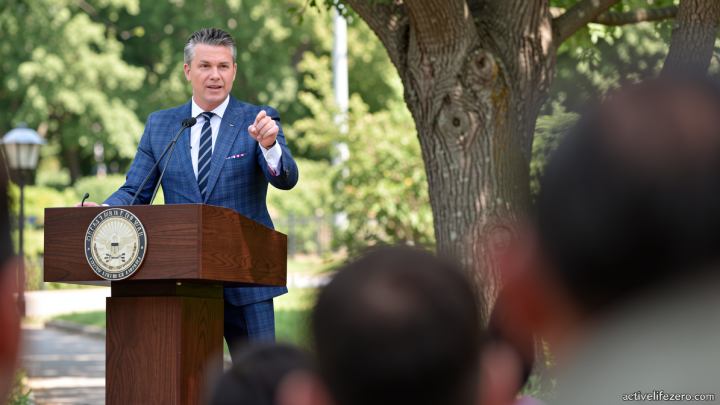
Commissioner Jessica S. Tisch framed the release around the department’s record-setting performance during the summer months, a period that coincided with an extraordinary calendar of major events. She noted that the city hosted the NBA Finals, the FIFA World Cup, the Sail 250 maritime celebration, and what she described as the largest Fourth of July celebration in the nation — all while major-crime numbers fell.
“These historic lows all happened while managing an unprecedented series of high-profile events, including the NBA Finals, the World Cup, Sail 250, and the largest Fourth of July celebration in the nation,” Tisch said in a news release.
The underlying numbers back up that claim. Shooting incidents are down 9.6 percent compared with the same stretch last year, burglaries have dropped 13.9 percent, and murders have fallen 24.1 percent. For a metropolis of nearly nine million residents navigating a summer packed with millions of visitors, those declines represent a substantial operational achievement.
Two High-Profile Incidents That Defined the Summer
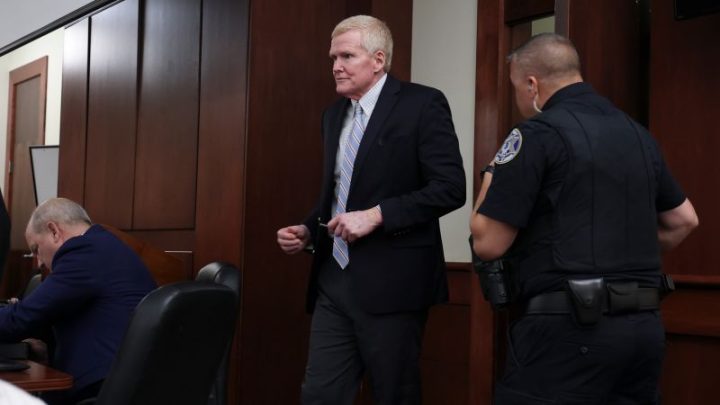
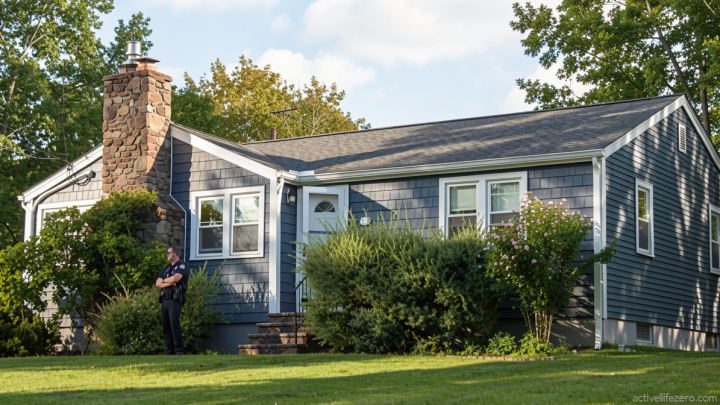
Yet the aggregate safety narrative sits uneasily beside two specific episodes that dominated headlines and rattled local Jewish communities. In August, a 46-year-old man was arrested after barging into a Manhattan synagogue during Shabbat services. Witnesses described him yelling antisemitic remarks, physically attacking a woman in the congregation, and hurling a racial slur at one of the building’s security guards. Federal prosecutors in the Southern District of New York subsequently charged the man — whom authorities characterized as emotionally disturbed — with federal hate crimes.
Earlier, in July, two separate stabbings struck the Upper West Side within a short window. One victim was an Asian man; the other was a Jewish man wearing a kippah who had just departed a synagogue. Court records indicate that witnesses heard the attacker, a 51-year-old man, shouting “Allahu Akbar” before striking both victims in distinct incidents. The proximity of the two attacks to a place of worship intensified the sense of vulnerability felt across the neighborhood.
A Narrowing Trend in August Alone
One data point offers a modest counterweight to the year-to-date trajectory. When isolating the month of August, the statistics show a slight dip: 19 antisemitic hate-crime incidents were recorded this year, compared with 22 in August 2025. Analysts caution that single-month comparisons carry wide margins of error and should not be read as a reversal of the broader annual trend.
What Counts as a Hate Crime Under New York Law
For readers unfamiliar with the legal framework, New York State defines a hate crime as occurring “when one of a specified set of crimes is committed targeting a victim because of a perception or belief about their race, color, national origin, ancestry, gender, religion, religious practice, age, disability or sexual orientation.” The statute thus requires both an underlying criminal act and a documented bias motive; mere prejudice expressed without a qualifying offense does not trigger the hate-crime designation.
Why the Discrepancy Matters
The coexistence of record-low violent-crime numbers and a rising antisemitic-crime rate creates a communication challenge for city officials. Community organizations representing Jewish residents have long argued that aggregate safety statistics can obscure the lived experience of targeted groups, particularly when incidents occur at houses of worship or in front of identifiable religious markers. The NYPD’s own data, by disaggregating hate crimes by bias motivation, inadvertently highlights the very gap that advocates have pressed for years: a city can be statistically safer overall while a specific community feels less safe than ever.
As the autumn months approach — a period that historically sees increased religious observance, school-year resumption, and civic commemorations — the question for New York’s leadership will be whether the operational gains of summer can extend to the protection of communities that have borne a disproportionate share of bias-motivated violence this year.
Related Reading
Frequently Asked Questions
What is Antisemitic hate crimes on the rise?
Antisemitic hate crimes on the rise is the main topic of this guide. The article explains the context, practical details, and next steps readers should understand.
Why does Antisemitic hate crimes on the rise matter?
Antisemitic hate crimes on the rise matters because readers are looking for a useful answer, not just a short summary. Good content should match search intent and help them decide what to do next.