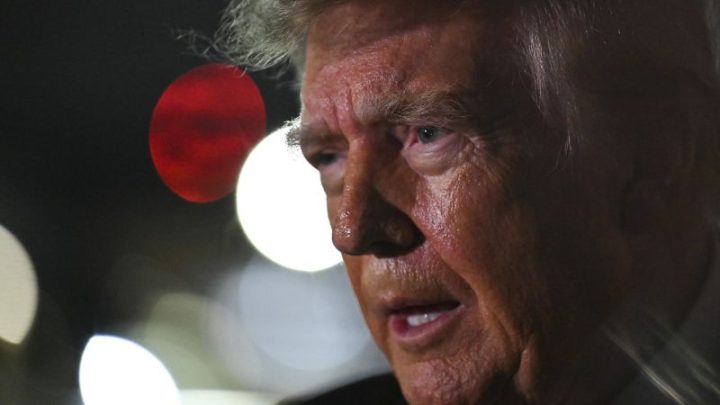
Google Maps changes Lake Ontario to ‘Lake America’ in US searches

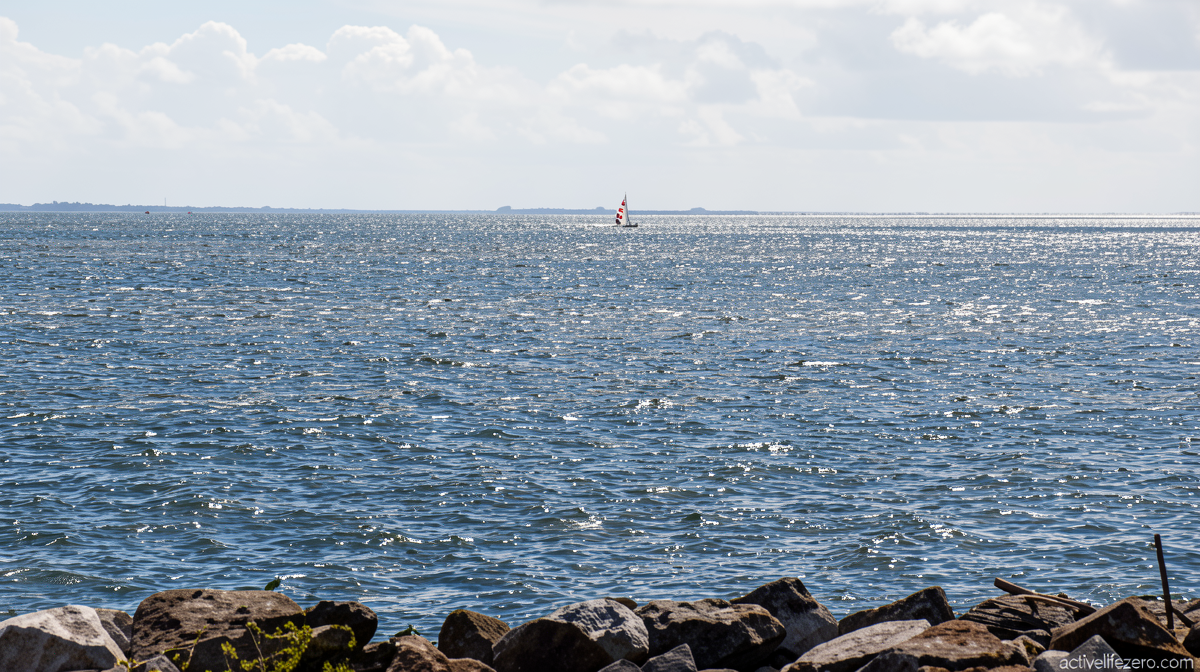
Daftar Isi
U.S. Map Users Now See “Lake America” Where Lake Ontario Once Appeared
Activelifezero.com – Beginning this weekend, anyone pulling up Google Maps from within the United States and typing in the name of the smallest of the five Great Lakes will encounter a different label than what appeared just days earlier. The body of water stretching along the border between Ontario, Canada, and New York State now reads “Lake America” for American users, a direct consequence of an executive order signed by President Donald Trump on Thursday that directed federal agencies to adopt the new designation. The move came amid an escalating trade confrontation between Washington and Ottawa, lending the geographic rebrand a pointed political edge.
How the Name Swap Works in Practice
Google issued a statement on Saturday explaining the mechanics behind the update. The company pointed to the U.S. Geographic Names Information System (GNIS), the federal database that catalogs official place names across American territory, as the authoritative trigger for the change.
“The U.S. Geographic Names Information System (GNIS) has formally changed the name for ‘Lake Ontario’ to ‘Lake America’ in the United States,” the company said. “Since we update Google Maps to reflect name changes in official government sources, which is GNIS for the U.S., people using Maps in the U.S. will see ‘Lake America,’ those in Canada will continue to see ‘Lake Ontario.'”
For users located outside both countries, the display shows both names side by side, with “Lake America” rendered in parentheses following “Lake Ontario.” Google framed the adjustment as consistent with its “long-standing policy for bodies of water with names that vary from country to country,” a provision that has previously governed how the platform handles disputed or regionally divergent toponyms.
White House Celebration and Canadian Defiance
Administration officials wasted little time celebrating the update. White House Communications Director Steven Chueng took to social media on Sunday to announce the change with emphatic capitalization:
“It’s official! LAKE AMERICA on Google Maps.”
Trump himself shared a link to coverage of the rename, posting it without additional commentary.
Across the border, the reaction was markedly different. Prime Minister Mark Carney stated plainly that Canada would “forever” refer to the shared waterway as Lake Ontario, underscoring that a unilateral American executive order carries no binding force over another sovereign nation’s naming conventions. Ontario Premier Doug Ford escalated the pushback on Saturday by unveiling a large physical sign on the Canadian shoreline bearing the words “Lake Ontario” in bold type, followed by the tagline “Now and Always.” He then filmed himself standing before the sign and posted the clip online:
“Let’s be clear: Long before President Trump, this lake was called Lake Ontario. And long after President Trump is gone, it will still be called lake Ontario.”
Legal and Historical Background
The lake in question has been jointly administered by both nations since the Boundary Waters Treaty, negotiated in the early twentieth century to prevent and adjudicate disputes over shared waterways. Under that framework, neither country holds unilateral authority over the lake’s name, usage, or environmental management. While a sitting president enjoys broad discretion over how U.S. federal agencies label geographic features domestically, that authority does not extend to compelling another country’s institutions, citizens, or cartographic databases to adopt the same terminology.
The renaming also arrives at a moment of heightened friction. Trump’s trade war with Canada has produced tariffs, retaliatory measures, and public rhetoric that have strained bilateral relations to levels not seen in decades. Recasting a shared natural feature with a distinctly American label reads to many observers as a symbolic gesture layered onto an already contentious economic dispute.
A Pattern of Geographic Rebranding
This is not the president’s first attempt to rewrite the map. On his first day back in office in January 2024, Trump directed that the Gulf of Mexico be referred to as the “Gulf of America” in federal contexts. Google issued a comparable statement at that time, confirming it had updated its maps to reflect the new federal designation. The Lake America change follows the same playbook: an executive order alters the GNIS entry, and commercial mapping platforms adjust their U.S.-facing displays accordingly.
Other Mapping Services Hold Their Ground
Not every digital map provider has followed suit. As of Sunday afternoon, Waze and Apple Maps continued to display the lake under its traditional name. MapQuest addressed the question headlessly in a Thursday social media post, telling its user base simply: “We’re not changing it.” The divergence among platforms means that American users will encounter two different labels for the same body of water depending on which application they open, a small but visible reminder that cartographic authority is not monolithic and that commercial services retain editorial discretion absent a binding federal mandate.
For residents of the lake’s shoreline communities in both New York and Ontario, the practical impact of the rename is minimal. Shipping lanes, fishing regulations, environmental monitoring, and municipal services all continue under established protocols. Yet the episode underscores a broader question about how quickly a single executive signature can reshape the vocabulary of everyday navigation tools, and how quickly neighboring nations will push back when that vocabulary touches shared territory.
Related Reading
Frequently Asked Questions
What is Google Maps changes Lake Ontario to Lake?
Google Maps changes Lake Ontario to Lake is the main topic of this guide. The article explains the context, practical details, and next steps readers should understand.
Why does Google Maps changes Lake Ontario to Lake matter?
Google Maps changes Lake Ontario to Lake matters because readers are looking for a useful answer, not just a short summary. Good content should match search intent and help them decide what to do next.