Voters hate data centers. Candidates from both parties are scrambling to respond

Daftar Isi
The Data Center Backlash Has Become a Bipartisan Campaign Weapon
Activelifezero.com – Americans are turning against the sprawling infrastructure boom that powers artificial intelligence, and politicians on every side of the aisle are scrambling to position themselves on the issue before the midterm elections. Polling data released over the past several months paints a stark picture: a Fox News survey conducted in July showed that 70% of voters oppose constructing data centers in their own communities to support AI operations. A separate Reuters/Ipsos poll from June found that 59% of adults would resist a data center being built within ten miles of their residence. Pew Research, publishing findings this month, reported that 52% of Americans describe themselves as more worried than enthusiastic about the expanding role of AI in everyday life — a figure that had stood at just 37% in 2021. A large majority of respondents in that same Pew survey also expected AI to reduce the total number of available jobs.
That wave of public anxiety has translated directly into campaign strategy. Tracking data from AdImpact reveals that more than $31 million has been poured into political advertisements referencing data centers so far this year. The spending accelerated sharply last month, when spots touching on data centers or AI infrastructure consumed more than 8% of all broadcast-TV campaign dollars. A year earlier, the figure sat below 1%. Critically, more than 99% of that advertising money flowed to spots opposing AI infrastructure projects rather than promoting them.
Local Races, National Stakes
The backlash is not confined to presidential or Senate contests. It has reshaped races at every level of government. In Michigan, a congressional candidate recorded a television spot standing in a farm field, warning viewers that the land stood at risk of being swallowed by “a massive data center that’ll jack up our energy bills and ruin our home values.” In a suburban Missouri county, both leading Republican candidates for the executive seat devoted their entire television advertising budgets to pledging opposition to data center construction, each accusing the other of being in the pocket of developers. Meanwhile, two candidates in Wisconsin and California who happen to share the same first name have both been taunted by opponents with the nickname “Data Center David.”
The phenomenon, experts note, owes its cross-party appeal to the intensely local nature of the grievance. Daniel King, a research fellow at the Foundation for American Innovation, explained the dynamic:
“Data centers have picked up a unique bipartisan opposition in large part because they are so local as an issue. Regardless of where party lines fall at the national level or on larger issues, both sides have been able to really pick up the spike.”
From Non-Issue to Tectonic Shift
Until recently, data center construction was a political non-event. AdImpact’s database shows that not a single broadcast-TV election advertisement in 2024 mentioned data centers. Through most of 2025, only a small number of spots touched the topic, and those appeared almost exclusively in down-ballot state contests. Over the past year, however, public sentiment shifted dramatically, propelled by skepticism toward the tech industry, anxieties over property rights, environmental concerns, and — most acutely — surging utility bills.
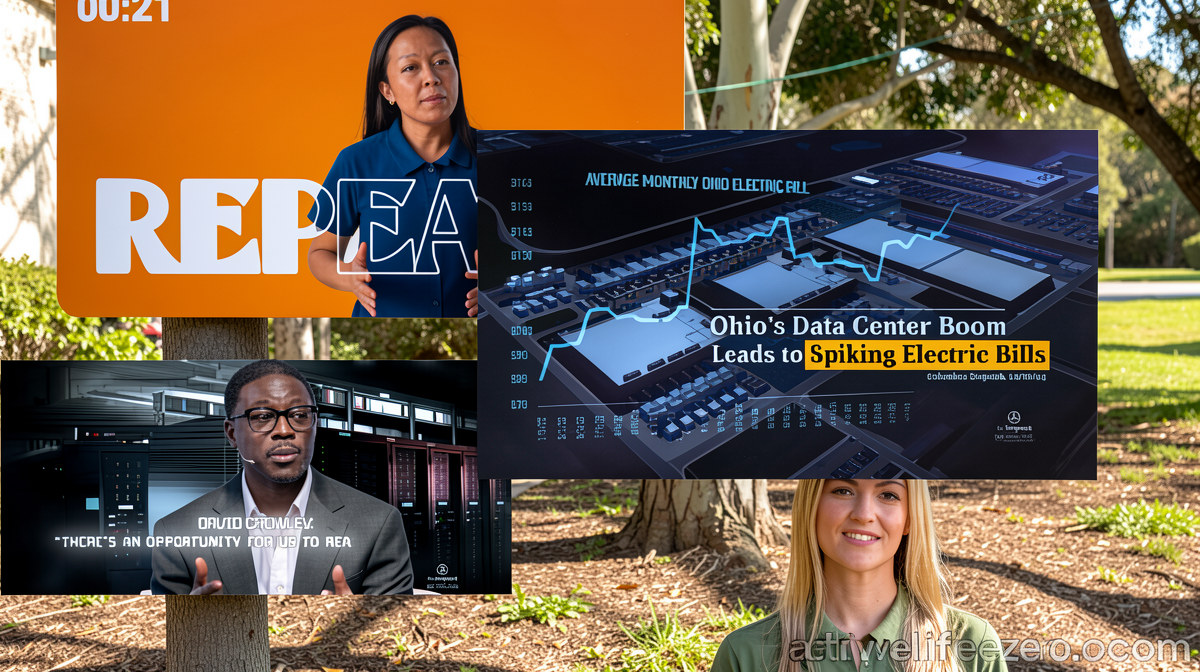
The energy math behind that anxiety is concrete. The computing chips that run AI workloads draw far more power than earlier generations of hardware. Goldman Sachs projected a 6% increase in national electricity costs over the coming year, with households situated near data center sites facing the steepest jumps. That projection gave campaign operatives a simple, emotionally resonant message: your neighbor’s electric bill is about to spike because of a server farm going up on the next parcel of land.
Industry’s Silent Response
While candidates flood the airwaves with anti-data-center messaging, the industry itself has largely stayed quiet in the political arena. Federal election records show that interest groups tied to the AI sector have rushed millions of dollars into key races. Yet those industry-funded advertisements rarely, if ever, discuss AI infrastructure by name. One major super PAC, funded in part by an OpenAI executive, purchased millions of dollars worth of broadcast spots this year without referencing AI or data centers in any of them, a review of the ad library confirmed.
The asymmetry is telling. Candidates attack the infrastructure; the industry funds the race without defending the project on camera. The result is a debate in which one side speaks and the other simply writes checks.
The Scale of the Buildout
The infrastructure push behind the controversy is enormous. Demand for the computing capacity that underpins AI has surged, prompting major technology companies to commit hundreds of billions of dollars to new construction. The tracking firm Cleanview counts more than 2,000 data centers currently in various planning stages across the country. Until the public began connecting those projects to their own utility bills and property values, the buildout generated little political friction.
What Comes Next
With a bruising midterm contest for control of Congress approaching, the advertising data points to a frantic scramble by both parties to claim the correct posture on what has become a critical jump-ball debate. Even senior lawmakers who face no immediate electoral challenge are moving toward more restrictive permitting rules for data centers or outright moratoriums on new construction.
Clifford Young, chair of the research firm Ipsos Public Affairs, framed the political gravity of the issue:
“It isn’t intrinsically a right or left issue. It’s a boogeyman for everyone. It plays into this underlying belief that the system is broken.”
That framing — a faceless, omnipresent threat that transcends traditional partisan lines — gives the data center backlash a durability that may outlast any single election cycle. For candidates in Ohio’s key Senate race and dozens of other high-impact contests this year, the question is no longer whether to address the issue but how loudly to condemn it before the opponent does.
Related Reading
Frequently Asked Questions
What is Voters hate data centers Candidates?
Voters hate data centers Candidates is the main topic of this guide. The article explains the context, practical details, and next steps readers should understand.
Why does Voters hate data centers Candidates matter?
Voters hate data centers Candidates matters because readers are looking for a useful answer, not just a short summary. Good content should match search intent and help them decide what to do next.