Is it safe to eat lettuce yet? What to know as cyclosporiasis outbreak lingers

Is It Safe to Eat Lettuce? Outbreak Update
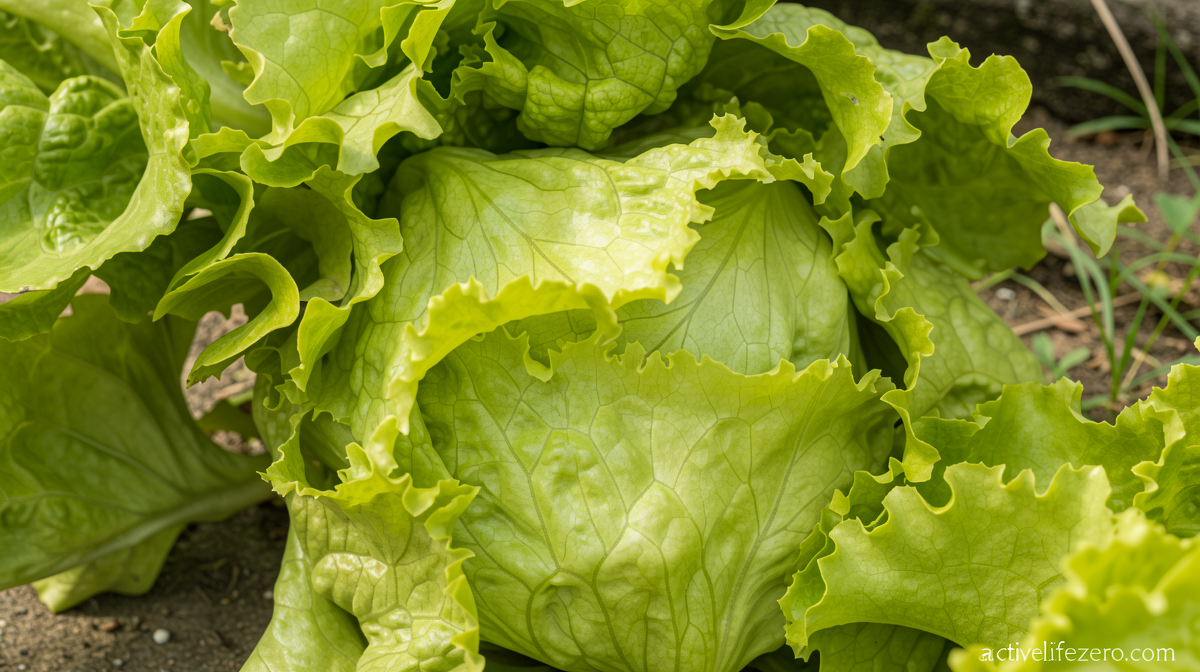
Activelifezero.com – Is it safe to eat lettuce right now? That question has dominated grocery-aisle conversations across the country since federal investigators linked a sprawling cyclosporiasis outbreak to shredded iceberg lettuce. The short answer from public-health authorities is: the recalled product has been pulled, and ordinary lettuce on the shelf today carries minimal risk. The longer answer involves understanding what the parasite does, how the recall unfolded, and why case counts keep ticking upward even after the contaminated supply vanished from stores.
The Recall: What Was Pulled and What Remains
The FDA confirmed last week that every unit of iceberg lettuce tied to this Cyclospora event has exited distribution channels. In the agency’s own words, the implicated product “should no longer be available in stores or restaurants.” That single fact anchors the current guidance: with the contaminated supply gone, residual exposure risk for the average shopper drops sharply.
Dr. Jennifer Layden, associate dean for practice and professor at the Bursky School of Public Health at Washington University in St. Louis, put the household takeaway in plain terms.
“Assuming you do not come across any food with a known recall, yes, it is OK to eat such types of produce.”
Her one caveat: if a recalled item still sits in a home refrigerator, sanitize every surface, container, and cutting board it touched before preparing anything else.
How the Parasite Works and Why Numbers Keep Climbing
Cyclospora cayetanensis is a microscopic organism found in soil, water, and undercooked produce. After ingestion it colonizes the small intestine and produces sudden diarrhea, abdominal cramping, nausea, fatigue, and low-grade fever. The incubation window stretches from two days to two weeks, which means a person who ate contaminated lettuce in early July may not report symptoms until mid-August. In older adults or immunocompromised patients, dehydration and electrolyte imbalance can push the illness into hospital territory.
That lag explains why the outbreak’s tally continues to rise well after the recall. A case logged today may reflect a meal consumed weeks earlier, and FDA, CDC, and state epidemiologists can require up to six weeks to confirm whether a given illness belongs to the ongoing cluster.
Tracing the Supply Chain
Epidemiological data first pointed investigators toward shredded iceberg lettuce served at select Taco Bell locations. Following the supply chain led the FDA to Taylor Farms de Mexico and to growers operating in central Mexico. On July 17, Taylor Farms announced the removal of all iceberg lettuce sourced from that region from the US market. The formal recall covered Marketside-brand iceberg salad packs and shredded lettuce carrying best-if-used-by dates from July 18 through August 3.
Dr. Colleen Kraft, professor of infectious diseases at Emory University School of Medicine, drew a clear distinction between the recalled product and the broader category.
“Based on the information currently available, FDA is not advising consumers to avoid iceberg lettuce in general. I am comfortable with people eating iceberg lettuce that is currently being sold. I would distinguish between the specific recalled product and iceberg lettuce as a category.”
Current Case Figures
As of Thursday’s joint FDA–CDC announcement, the cumulative illness count stands at 11,458 cases across 20 states. Of those, 495 required hospitalization and two patients died. The agencies noted that the majority of illnesses began before the July 17 recall announcement, consistent with the parasite’s incubation lag. The most recent onset date reported to date is August 15, though Kraft cautioned that a newly reported case does not equate to a newly acquired infection.
FAQ: Practical Answers for Shoppers
Do I need to throw out all lettuce in my fridge? No. Only product matching the recalled Marketside-brand packs or shredded lettuce with best-if-used-by dates between July 18 and August 3 should be discarded. Other lettuce varieties and brands are unaffected.
Can I still make a salad this week? Yes. Public-health officials are not advising avoidance of iceberg lettuce as a category. Wash produce under running water, and avoid any item bearing a recall label.
What symptoms should prompt a doctor visit? Persistent diarrhea lasting more than two days, signs of dehydration (dizziness, very dark urine, dry mouth), or fever above 101 °F warrant medical attention. Older adults and immunocompromised individuals should seek care sooner.
How long until the outbreak is officially over? Because confirmation can take up to six weeks per case, agencies will continue reporting linked illnesses into late September even though no new contaminated product is entering the supply chain.