Trump defends pause on beef tariffs amid criticism from US cattle producers

Daftar Isi
Trump Stands by Temporary Beef Tariff Pause as Ranchers Push Back
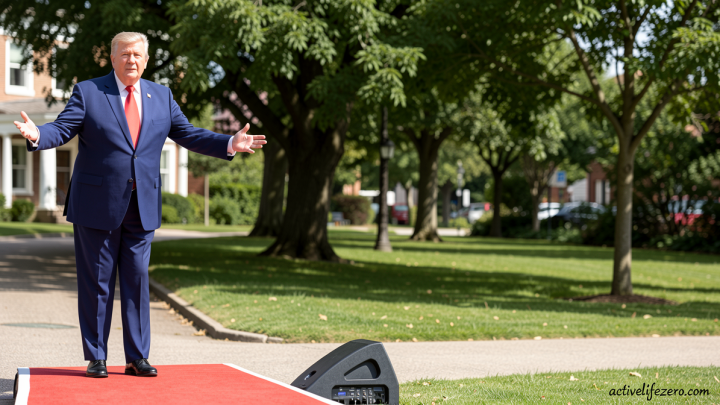
Activelifezero.com – President Donald Trump defended his decision to temporarily suspend out-of-quota tariffs on imported ground beef on Friday, pushing back against vocal opposition from American cattle producers who argue the move will deepen an already fragile domestic market. Speaking to reporters en route to South Carolina, the president made clear he sees no reason to walk back the policy, framing the pause as a consumer-price intervention rather than a trade concession.
“We want to get the beef prices down, so we’ll get them down a little bit, and that’s what people want. That’s what the voters want, and that’s what I want.”
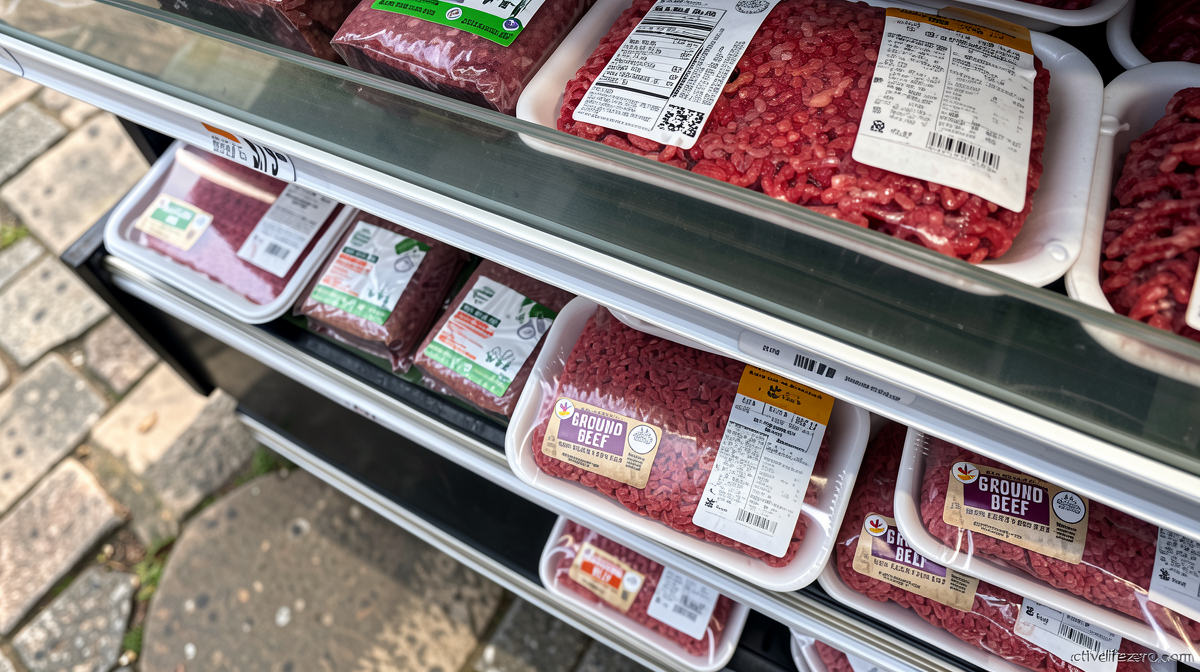
The announcement, made earlier in the day, permits up to 300,000 metric tons of ground beef to enter the United States tariff-free over a 90-day window. Trump declined to name the supplying nations, telling reporters only that “there are a few countries” involved and that they would deliver “the highest quality beef” the administration deemed necessary. He stopped short of specifying which governments had agreed to the arrangement.
A Message to Ranchers: “They’ve Done a Fantastic Job”
Trump referred to American ranchers as his “people” and acknowledged their contributions before pivoting to what he characterized as their own admission that external supply was needed.
“They’ve done a fantastic job. But they admit that we need a little help.”
The framing was designed to position the tariff pause as a short-term corrective to a supply crunch rather than a structural shift in trade policy. Yet the language of “help” landed poorly with industry groups that see any increase in foreign beef as a direct threat to domestic pricing power.
Industry Backlash: NCBA Calls for No Increased Imports
The National Cattlemen’s Beef Association, the largest trade group representing American beef producers, moved quickly to contest the administration’s rationale. In a social-media statement, the organization rejected the premise that ranchers were requesting additional foreign supply.
“No cow-calf producer in America is asking for increased imports. Undercutting American farmers and ranchers with inferior product from foreign competitors does nothing to create market confidence or encourage rebuilding the herd.”
The association’s position reflects a broader anxiety in the cattle sector: with the domestic herd sitting at a multi-decade low, producers worry that even a temporary influx of cheaper imported beef will depress cattle prices at the farm gate, discouraging the restocking investment needed to rebuild supply over the coming years.
Senators Grassley and Sheehy Voice Republican Dissent
Concern was not confined to trade associations. Senator Chuck Grassley, the Iowa Republican, posted on X that he was “concerned for the cattle markets,” pointing to the closure of a Tyson beef processing plant in Joslin, Illinois, earlier that month as evidence of how thin the domestic pipeline already was.
“After Tyson closure in Illinois last wk I’m concerned for the cattle markets +now Pres Trump’s decision to temporarily open up subsidized beef imports. USA cattlemen shld always be put 1st thru America 1st policies Need 2keep up progress fighting screwworm+ expanding domestic herd.”
Grassley’s abbreviated post, constrained by the platform’s character limit, nonetheless captured a sentiment shared across the agricultural belt: that opening the border to subsidized foreign beef at precisely the moment domestic processors are scaling back operations compounds the problem rather than alleviating it.
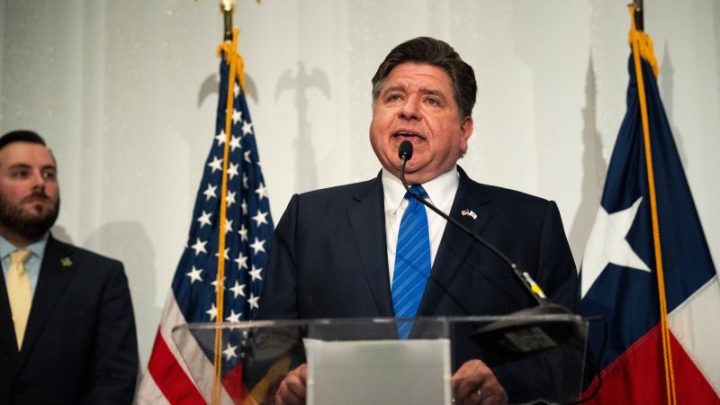
Montana Republican Senator Tim Sheehy went further, stating publicly that he had counseled Trump against the action for roughly a year. Sheehy framed the issue as one of packer-market concentration, arguing that decades of consolidation among meat processors had already squeezed ranchers’ margins.
“I’ve advised President Trump against this course of action for a year because American ranchers have been struggling against the packer monopoly for decades, and this will further harm them – most of whom are MAGA Republicans.”
Sheehy acknowledged the president’s stated goal of lowering consumer prices and noted that the screwworm outbreak in Mexico had already distorted regional supply chains. Still, he warned that the tariff pause would make it harder for ranchers to rebuild herds and, ultimately, to bring prices down through domestic production.
“But the reality is this action will make it more difficult for American ranchers to rebuild our herd and bring prices down for the American people. And most importantly, this will harm our ranching families who feed the nation.”
White House: A “Specific, Temporary Deal”
A White House spokesperson told reporters in a written statement that the administration had “repeatedly affirmed” its support for American ranchers and farmers, including through the very announcement in question. The statement emphasized that the tariff easing was aimed at a “short-term supply crunch” while the administration simultaneously worked with producers to expand the domestic cattle herd, which it acknowledged was at a multi-decade low.
Deputy chief of staff Stephen Miller, pressed on Sheehy’s public disagreement, pushed back on the characterization of the administration as anti-rancher.
“No administration has been more pro-rancher than this administration taking extraordinary actions under USDA to protect and ensure the security of our food supply chain — but again, there’s been, there was an outbreak of screwworm in Mexico.”
Miller stressed that the arrangement was “a specific, temporary deal to address an acute issue,” underscoring the 90-day time limit and the narrow product scope (ground beef only) as evidence that the policy was calibrated rather than sweeping.
Why the Screwworm Factor Matters
The screwworm outbreak in Mexico, confirmed in recent months, has disrupted cross-border cattle movements and added uncertainty to North American supply chains. With Mexican beef normally flowing into U.S. processors, the disease has tightened available supply and contributed to the price spike that prompted the administration’s intervention. Both Sheehy and Miller cited the outbreak as context, though they drew opposite conclusions about whether a tariff pause was the appropriate response. For ranchers watching cattle prices at auction, the distinction between a temporary supply shock and a structural trade shift may prove academic: what matters is whether the 90-day window becomes a precedent that outlasts the screwworm’s retreat.
Related Reading
Frequently Asked Questions
What is Trump defends pause on beef tariffs?
Trump defends pause on beef tariffs is the main topic of this guide. The article explains the context, practical details, and next steps readers should understand.
Why does Trump defends pause on beef tariffs matter?
Trump defends pause on beef tariffs matters because readers are looking for a useful answer, not just a short summary. Good content should match search intent and help them decide what to do next.