Trump wants South Korea to defend itself. His overtures to Kim Jong Un could delay that

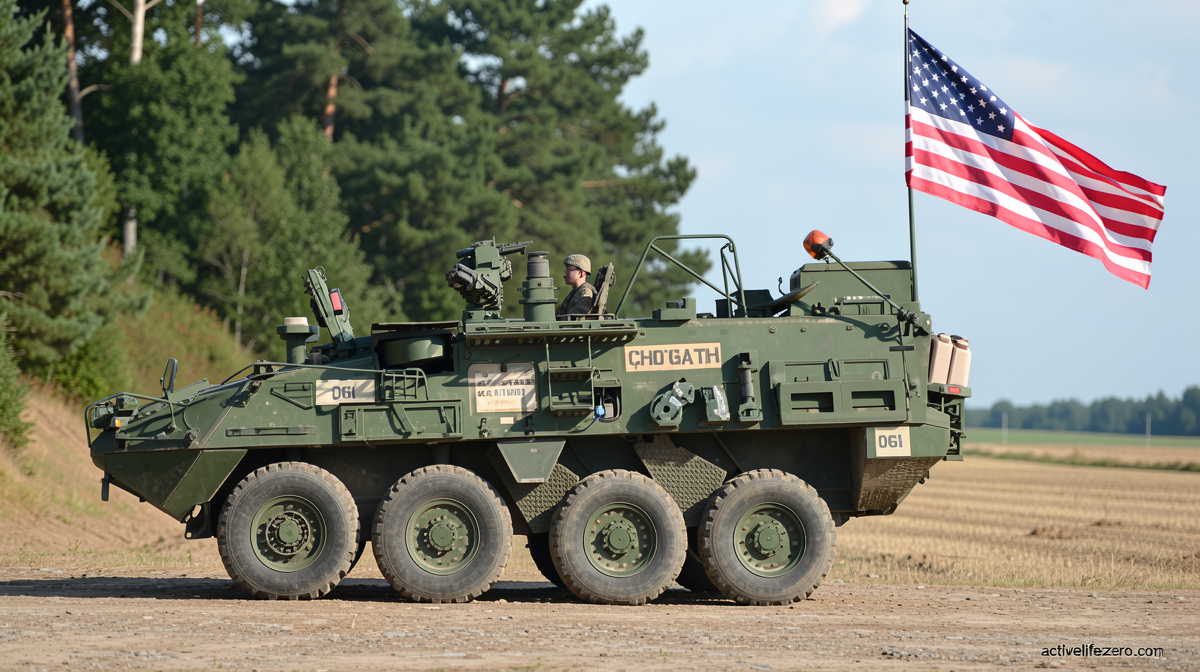
Trump Cuts Korea Drills While Pushing Self-Defense
Activelifezero.com – Trump wants South Korea to defend itself more aggressively, yet the White House simultaneously slashed the largest annual combined military exercise on the Korean Peninsula by roughly half. The abrupt reduction of Ulchi Freedom Shield, announced after President Donald Trump complained the drills irritated Kim Jong Un, places a sharp contradiction at the center of alliance policy: Washington is asking Seoul to carry greater operational weight while dismantling the very training mechanism through which that weight would be tested and transferred.
From War Game to Diplomatic Flashpoint
Ulchi Freedom Shield draws tens of thousands of American and South Korean service members into coordinated planning and field operations each year. Following Trump’s weekend remarks on Truth Social, the exercise was scaled down sharply. The president declared the drills “send a signal that is totally inappropriate and hostile,” framing them as an affront to Kim while also noting they drain American coffers. Both governments have long maintained the exercises serve deterrence and collective defense, not rehearsals for territorial seizure across the demilitarized zone that has separated the two Koreas since the 1953 armistice. The language Trump employed mirrors, almost word for word, the rhetoric North Korean state media have used for decades to denigrate the same events.
“These exercises ‘send a signal that is totally inappropriate and hostile,'” Trump posted on Truth Social on Sunday, in what appeared to be an attempt to appease the reclusive Kim, whom Trump is eager to meet with again.
The deeper question beneath the exercise-size dispute is who commands the combined forces on the peninsula in wartime. Since the Korean War erupted in 1950, South Korea has ceded wartime operational control of its own troops to Washington. Initially that arrangement ran through United Nations Command; in 1978 it passed to the Combined Forces Command, a body perpetually headed by an American general. Seoul regained peacetime operational control in 1994, but wartime authority has remained firmly in American hands ever since. Multiple timelines for transferring that authority have been proposed and repeatedly deferred, leaving a Cold War-era command structure in place long after the strategic environment has shifted.
Seoul’s Calculated Response
South Korean President Lee Jae Myung moved quickly to signal alignment with Washington’s broader burden-sharing agenda. On Wednesday he stated his agreement that South Korea should take responsibility for its own security on the peninsula and pledged to accelerate defense spending toward 3.5 percent of GDP. Yet he also offered a pointed reading of the exercise reduction, calling it a decision “filled with deep consideration for creating peace on the Korean Peninsula, beyond hostility and confrontation.”
On Tuesday, using the launch of this year’s scaled-down exercises as his platform, Lee invoked a campaign promise made in 2025 to return wartime operational control to Seoul by 2030. He argued that South Korea’s weapons systems and overall military strength now place it among the top tier of global powers.
“From the aspect of weapons systems and military strength, our capabilities to defend ourselves is already among the top few in the world. It’s not an exaggeration to say that we are more than capable,” Lee said Tuesday.
Analyst Warnings on Readiness
Defense analysts have been blunt about the consequences of the last-minute reduction. Yu Ji-hoon, a research fellow at the Korea Institute for Defense Analyses, wrote in The Diplomat that the drills were intended to assess systems so Seoul could assume wartime operational control. A sudden curtailment, he argued, would affect far more than mere readiness. The Ulchi Freedom Shield exercises have served, among other functions, as the practical testing ground for that transfer. Embedded within the drills is training designed to prepare South Korea to assume wartime command of the combined force — a capability it has lacked for over seventy years. Once Seoul demonstrates it can bear that burden, the American role in any future conflict would narrow to providing select firepower while the ally carries the majority of operational responsibility and associated cost. By halving the exercise now, the administration undercuts the very capability it is demanding Seoul develop.
Frequently Asked Questions
What is Ulchi Freedom Shield? It is the largest annual combined military exercise conducted by the United States and South Korea on the Korean Peninsula, involving tens of thousands of service members in planning and field operations. It doubles as the practical testing ground for transferring wartime operational control to Seoul.
When did South Korea lose wartime operational control? South Korea ceded wartime operational control of its own forces to Washington at the outset of the Korean War in 1950. Peacetime control was returned in 1994, but wartime authority has remained with the American-led Combined Forces Command since 1978.
What did President Lee Jae Myung pledge regarding defense spending? On Wednesday following the exercise reduction, Lee pledged to accelerate South Korea’s defense spending toward 3.5 percent of GDP and reaffirmed his 2025 campaign promise to return wartime operational control to Seoul by 2030.
Why did the White House reduce the exercise? President Trump stated on Truth Social that the drills sent a “totally inappropriate and hostile” signal toward North Korea and drained American resources. The reduction was announced after his weekend remarks criticizing the exercises.