
How Director Pink became Africa’s best-known female music video director
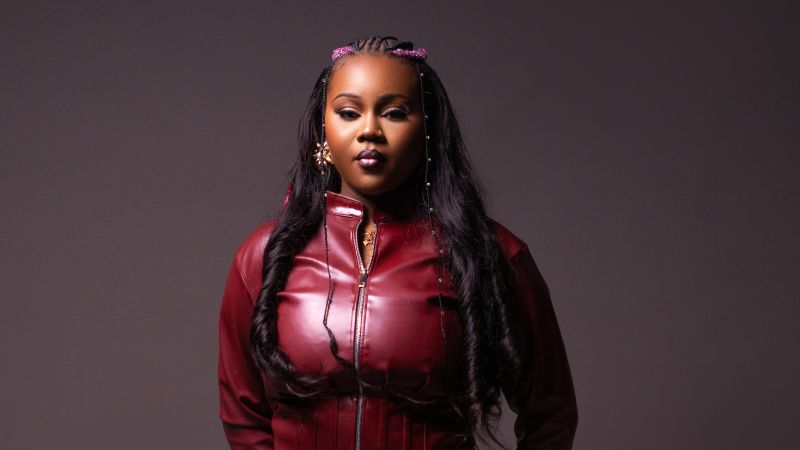
How Director Pink Became Africa’s Most Recognized Female Music Video Director
Breaking Barriers in a Male-Dominated Field
How Director Pink became Africa s best – Director Pink, whose real name is Praise Onyeagwalam, may not be a household name, but her artistic contributions have captivated millions across the globe. At just 26 years old, she has carved a unique niche in the African music video scene, working with renowned artists such as Wizkid, Naira Marley, Davido, Burna Boy, and Mercy Chinwo. Her 2022 collaboration with Afrobeats artist Chike and Mohbad, the song “Egwu,” has amassed over 160 million views on YouTube since its release. This milestone not only highlights her technical skill but also underscores the emotional resonance of her work.
“Mohbad was alive when I got the song,” Pink recalled in a recent interview with CNN. “When he passed, I wanted the video to be a tribute to him and to focus on unity.”
Despite the global reach of her videos, Pink remains humble about her accomplishments. She credits her ability to connect with audiences to the stories she tells and the cultural elements she weaves into her visuals. “I’ve always believed that music videos should reflect the heartbeat of the community,” she said. “They’re not just entertainment—they’re a mirror to our experiences.” This philosophy has been central to her success, particularly with the “Egwu” video, which blends traditional Nigerian aesthetics with contemporary Afrobeats rhythms.
From Economics to Film: A Journey of Passion and Pivot
Pink’s path to filmmaking began with an unexpected detour. Initially studying economics at the University of Lagos, she found herself drawn to the visual storytelling of cinema. “I was always fascinated by how films could capture emotions and narratives in ways that words alone couldn’t,” she explained. After completing her education, she pursued formal training at the London Film Academy, where she honed her craft and gained exposure to international filmmaking techniques.
Her debut as a filmmaker came in 2021 when she released the short horror film “Lady Koi Koi” on YouTube. The project, inspired by a local urban legend about a vengeful ghost haunting school dormitories, showcases her ability to merge folklore with modern storytelling. The video’s eerie atmosphere, amplified by the haunting sound of red high-heeled shoes echoing through the halls, created a visceral experience that resonated with viewers. “I wanted to tell a story that felt both familiar and unsettling,” Pink said. “It’s a reflection of the fears and traditions we carry.”
Since then, Pink has expanded her portfolio, directing music videos for major African artists. One of her most notable works is the 2024 video for Yemi Alade’s single “Tomorrow,” which played a pivotal role in Alade’s Grammy nomination. “Designing sets for ‘Tomorrow’ was a dream project,” she shared. “It allowed me to experiment with lighting, color, and movement in ways that push the boundaries of visual expression.” Her creative process often involves close collaboration with artists to ensure the final product aligns with their vision while adding her distinctive flair.
Recognition and Impact: A Trailblazer in the Industry
Director Pink’s work has earned her critical acclaim and multiple awards. In 2023, she claimed the Best Music Video category at the All Africa Music Awards (AMAs), a testament to her technical prowess and narrative depth. Earlier that year, she was also nominated for the Best Music Video award at The Headies, Nigeria’s premier music awards, for her contribution to the “Spell (Remix)” video by Chike & Oxlade. These accolades have positioned her as a leading figure in the African music video landscape.
Her 2025 Headies win for Best Music Video of the Year, however, stands out as a defining moment. “Winning that award was a turning point,” she said. “It opened the doors for so many other women to really see that they could really, really do this.” This triumph not only validated her talent but also served as a catalyst for change in an industry historically dominated by men. “People often assume my videos are the work of a male director,” she noted. “That’s why I’m passionate about showcasing women’s capabilities in filmmaking.”
Pink’s commitment to empowering women in the creative sector has led her to establish Pinkline Films and later Pinkline Academy. The academy, launched in 2023, focuses on training young African creatives and fostering projects led by women. “I want to create a space where women feel seen and supported,” she explained. “There are so few young women in this field, especially in our age group. It was heartbreaking to witness the lack of representation.” Her initiative has already begun to make a difference, offering mentorship and production skills to aspiring filmmakers across the continent.
From Lagos to Berklee: Expanding Horizons
While Director Pink’s career has been rooted in Nigeria, her ambitions extend beyond the continent. She has expressed a desire to study at Berklee College of Music, a prestigious institution in the United States, to further refine her expertise. “I’ve always wanted to learn from the best,” she said. “Berklee would provide me with new perspectives and techniques that I can bring back to Africa.” This aspiration reflects her dedication to evolving as a filmmaker and contributing to the global conversation about African cinema.
Her work with Tiwa Savage also highlights her growing influence. Savage, a prominent Nigerian singer, has partnered with Pink on several projects, including a 2024 initiative aimed at training 100 next-generation creators. “Tiwa Savage has been a mentor to me,” Pink said. “Her support has helped me gain credibility and access to new opportunities.” The program, which combines hands-on training with networking events, is designed to address the talent gap in African filmmaking and provide emerging artists with the tools they need to succeed.
Looking ahead, Pink is eyeing a transition into feature filmmaking within Nigeria’s Nollywood industry. “I’ve always wanted to tell more complex stories,” she said. “Movies allow for deeper exploration of themes and characters.” Her upcoming projects include a film that she describes as “a very beautiful story” with the potential to resonate with audiences both locally and internationally. “I can’t wait for people to see it,” she added. “It’s a culmination of everything I’ve learned and everything I want to share.”
Legacy and Future: A Vision for the Next Generation
Director Pink’s journey is not just about personal achievement but also about creating a legacy for women in the industry. She emphasized the importance of mentorship and collaboration in nurturing talent. “Many of us relied on YouTube tutorials to learn the basics,” she said. “Now, I want to give back and ensure that the next generation has access to better resources.” Pinkline Academy aims to bridge this gap by offering structured training and opportunities for women to lead creative projects.
Her work has sparked conversations about diversity in African cinema and the role of women in shaping its future. “We’re not just making videos—we’re building a movement,” she said. “Every project I’m involved in is a step toward proving that women can thrive in this space.” This sentiment is echoed in her collaboration with CKay, a Nigerian Emo-Afrobeats star who has sought to redefine the genre through his music and visuals. “CKay’s vision is bold and fresh,” Pink noted. “Working with him has reminded me of the power of storytelling to transcend boundaries.”
As she continues to grow, Director Pink remains focused on her mission to empower women and elevate African storytelling. “The industry is changing, and I want to be part of that change,” she said. “I believe that when women lead, the projects are more authentic and impactful.” Her upcoming films and music videos are expected to further cement her status as a trailblazer, inspiring a new wave of creatives to pursue their passions without hesitation. “This is just the beginning,” she concluded. “There’s so much more we can do together.”
Director Pink’s journey from an economics student to a celebrated filmmaker is a testament to her resilience and vision. By blending traditional African elements with modern cinematic techniques, she has not only gained recognition but also paved the way for others. Her achievements, coupled with her dedication to mentorship, ensure that her impact will extend far beyond her own projects, shaping the future of African music and film for generations to come.
