
Why we have so many ways to measure hot weather
Why we have so many ways to measure hot weather
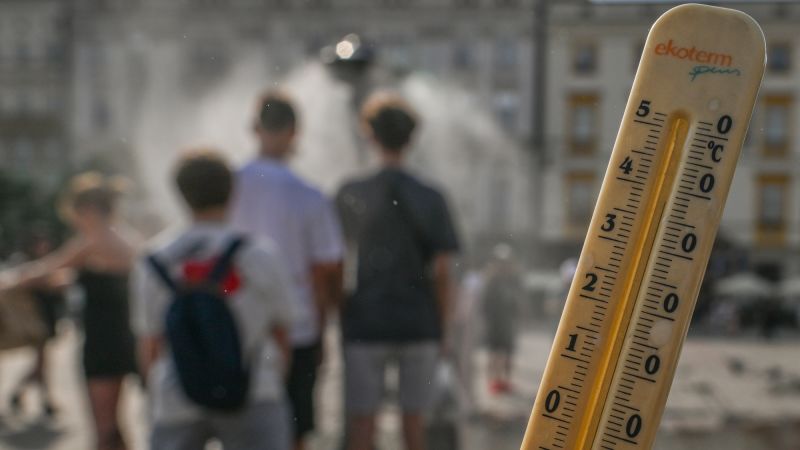
Why we have so many ways – Heat waves have intensified across the Eastern US, with temperatures climbing for the third consecutive day. Cities from Boston to Washington, DC are grappling with extreme conditions as July 4th festivities unfold outdoors. The interplay of high heat and humidity pushes the heat index higher than ever, breaking daily records in numerous regions. Yet, the question of how hot it truly is remains complex. Understanding the nuances of heat measurement is crucial, as heat-related illnesses claim more lives than any other weather-related cause in the country. “Temperature alone doesn’t tell the full story,” explains Andrew Grundstein, a climate and health researcher at the University of Georgia. “Other elements like humidity, sun exposure, and wind speed significantly impact how heat feels and affects the body.”
The Limitations of a Single Metric
While the heat index is widely recognized, it has notable constraints. This metric blends air temperature and relative humidity to estimate a “feels like” temperature. However, its calculations assume ideal conditions for human thermoregulation—like a healthy adult in shaded areas with access to sweat evaporation. David Romps, a UC Berkeley climate scientist, highlights these assumptions: “The heat index relies on a model that doesn’t account for people working in direct sunlight or those with compromised cooling abilities.” Such oversights can lead to underestimations during peak heat, particularly when humidity and temperatures are both extreme. In the current heatwave, for example, the National Weather Service’s system has been found to miss the true intensity of conditions by up to 20 degrees Fahrenheit in some Mid-Atlantic and Midwest cities.
“For someone who, for whatever reason, has an impaired ability to regulate their body temperature, or is walking in the direct sun, or is exerting themselves more vigorously, that underlying model will be less representative,” Romps added.
These discrepancies underscore the need for alternative metrics. One such measure is the wet bulb temperature, which focuses on the body’s ability to cool itself through sweating. Unlike the heat index, this metric reflects the actual temperature of the air after water evaporates, offering a clearer picture of environmental conditions. “It’s a direct indicator of how effectively our bodies can shed heat,” says Grundstein. “When humidity is high, the wet bulb temperature rises, making it harder for sweat to evaporate and cool the skin.”
Although the wet bulb temperature is often lower than the actual air temperature, its significance grows under extreme conditions. Researchers have identified a critical threshold—around 95 degrees Fahrenheit—where survival becomes challenging. But recent studies suggest this limit may be lower in practice. “Humans can suffer from heat stress at 86 degrees or even less, depending on factors like exertion and hydration,” Grundstein notes. Some experts argue the survivability threshold is closer to 91 degrees, emphasizing that context matters when assessing risk.
Advanced Metrics for Precise Heat Assessment
For even greater accuracy, the wet bulb globe temperature (WBGT) incorporates additional variables. This metric considers not only air temperature and humidity but also solar radiation and wind speed, making it especially valuable for evaluating risks in specific scenarios. “It’s the most comprehensive tool for measuring heat stress in direct sunlight,” Romps explains. “It’s essential for outdoor workers, athletes, and anyone exposed to prolonged heat.”
WBGT is particularly relevant as climate change amplifies heat extremes. Its ability to account for multiple factors ensures a more reliable assessment of conditions. “While the heat index gives a general sense of discomfort, WBGT helps identify when the environment becomes dangerously oppressive for those in active settings,” Grundstein adds. This distinction is vital for industries like construction or sports, where exposure to heat can lead to severe consequences.
Each heat metric serves a unique purpose, yet none is universally perfect. The heat index is intuitive for everyday use, but it simplifies complex interactions. Wet bulb temperature offers a physiological perspective, while WBGT provides a holistic view of environmental stressors. As temperatures rise, these tools become increasingly necessary for public safety. “The goal isn’t to replace one metric with another but to use them strategically,” Romps says. “Different measures help us address different risks, especially as heatwaves grow more intense and unpredictable.”
With climate change driving more frequent and severe heat events, the accuracy of these measurements has never been more important. The CNN Weather App offers real-time updates, allowing individuals to track conditions tailored to their local environment. By understanding the strengths and limitations of each metric, communities can better prepare for the challenges of extreme heat, ensuring that “how hot it is” translates into actionable insights for saving lives.
