Two survivors miraculously rescued 10 days after devastating flash floods in Nepal

Daftar Isi
Nepal’s Flood-Stricken Communities Glimpse Hope as Two Survivors Surface After Ten Days
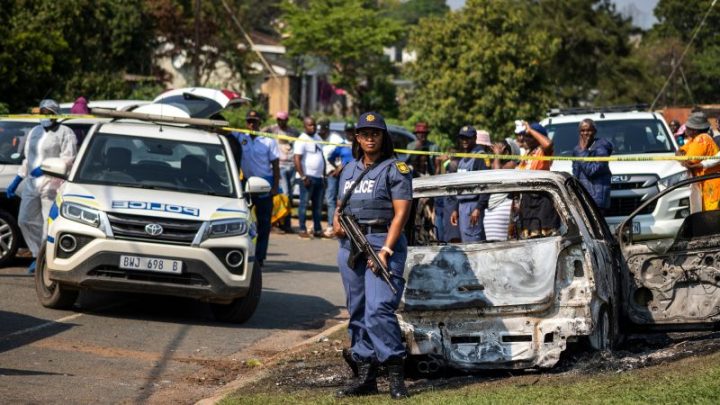
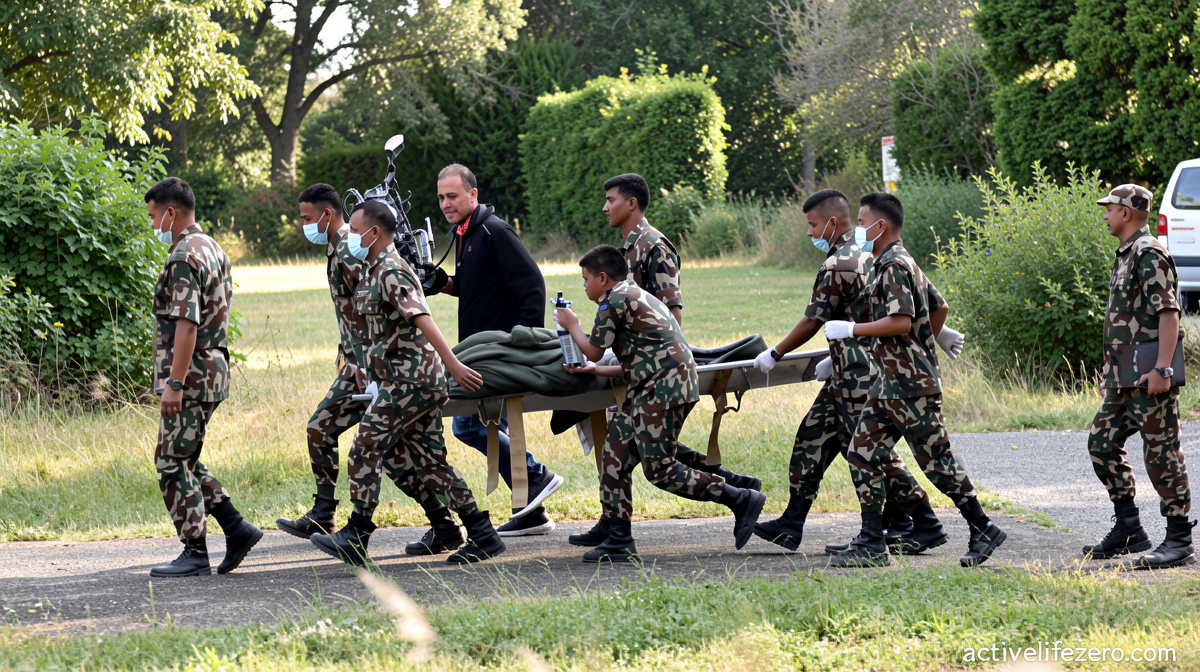
Activelifezero.com – Ten days after a wall of glacial ice, torrential water, and churning mud obliterated riverside settlements along Nepal’s Trishuli River, two people pulled from the wreckage offered a fragile thread of hope to thousands of families still suspended between grief and uncertainty. A Chinese national trapped inside a hydropower tunnel complex and a 60-year-old Nepali woman discovered on the upper floor of a collapsed four-story structure in the devastated village of Betrawati were both recovered alive on Saturday — a staggering feat given the elapsed time since the catastrophe struck.
The woman, identified as Chandika Shrestha, had been presumed dead by her own family. A local official confirmed that relatives had already performed ceremonial last rites and were arranging her funeral when rescuers located her downriver, clinging to the topmost level of a building that had been half-swallowed by the flood’s debris. The sheer length of time between disappearance and recovery underscores how completely the disaster severed communication and access to the affected valleys.
A Man’s Ten-Day Vigil in the Dark
Lu Haitao, a Chinese worker embedded among hundreds of colleagues still unaccounted for within the hydropower tunnel network, described days of desperate attempts to signal rescue crews. He said he would cry out at every flash of light he spotted in the darkness, hoping someone would hear him.
“Whenever I saw the lights, I shouted, ‘Hey!’ Really loudly, really loudly. Maybe they didn’t hear me. When they came to rescue me today, even when their (lights) were shining right in front of me, I couldn’t believe it.”
His account, relayed through Chinese state broadcaster CCTV, captures the psychological toll of prolonged isolation underground — a reality shared by the roughly 900 hydropower workers still missing from facilities scattered along the river corridor. Two additional workers were pulled from a separate power station on Friday after rescuers labored around the clock through unstable terrain, though two bodies were also recovered from the same site where Lu was found, a grim reminder that survival and death remain intertwined at every excavation point.
The Cascade That Unmade Entire Communities
The disaster was triggered when a massive slab of ice broke free from a retreating glacier high in the Himalayan watershed. The resulting avalanche of meltwater and rock cascaded down the Trishuli basin, burying riverside settlements within minutes. Authorities have confirmed at least 1,362 fatalities, a figure that continues to climb as search operations grind forward through rubble and silt.
Nepal’s dependence on run-of-river hydropower generation — a cornerstone of its long-term energy strategy and a major source of construction employment — placed thousands of workers directly in the path of the flood wave. The concentration of laborers at multiple stations along a single river corridor turned what was already a catastrophic natural event into a concentrated industrial tragedy.
Families in Limbo
Across Nepal and into neighboring China, thousands of households remain locked in agonizing uncertainty. Krishna Poudel, whose 26-year-old brother Ishwor worked at one of the affected stations, pinned a photograph of Ishwor to a board already crowded with dozens of similar posters marking those lost eight days earlier. Survivors who escaped the tunnels told Poudel they could still hear voices from within.
“They said they could hear the voices of about 200-300 people shouting from inside.”
Whether those voices represent living workers or echoes trapped in collapsed chambers remains unknown — a distinction that defines the emotional landscape of every family waiting for a name on either a survivor list or a death certificate.
Reconstruction and Humanitarian Scale
Rescue operations, bolstered by specialist teams dispatched from India and China, remain focused on the hydropower installations where the largest number of missing persons are believed to be trapped. Simultaneously, the Nepali Army is working to restore basic river crossings by constructing temporary bridges, a prerequisite for delivering aid to cut-off villages. The Foreign Ministry reported on Saturday that more than 7,500 homes have been damaged and approximately 55 kilometers (34 miles) of roadway destroyed, severely constraining access for relief convoys.
A United Nations assessment places the number of people requiring safe temporary shelter at roughly 35,000, while an additional 43,000 face immediate food insecurity. For a nation where mountain valleys already limit agricultural output and where monsoon-season flooding is a recurring seasonal threat, the scale of this single event represents a compounding blow to livelihoods that had barely recovered from prior years of climate-driven disasters.
The glacial mechanism behind the flood — accelerated ice calving linked to rising temperatures in the high Himalaya — points toward a pattern that regional scientists have warned will grow more frequent as the century progresses. For the communities of the Trishuli basin, the question is no longer whether such events will recur, but whether infrastructure, early-warning systems, and evacuation planning can be rebuilt quickly enough to outpace the next cascade.
Related Reading
Frequently Asked Questions
What is Two survivors miraculously rescued 10 days?
Two survivors miraculously rescued 10 days is the main topic of this guide. The article explains the context, practical details, and next steps readers should understand.
Why does Two survivors miraculously rescued 10 days matter?
Two survivors miraculously rescued 10 days matters because readers are looking for a useful answer, not just a short summary. Good content should match search intent and help them decide what to do next.