
Trump holds phone calls with Putin and Zelensky on his 80th birthday
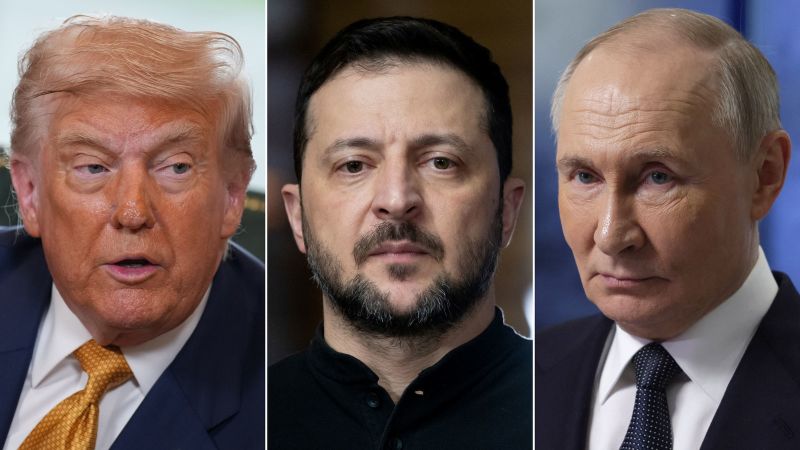
Trump’s Birthday Conversations with Putin and Zelensky Highlight Key Diplomatic Themes
Trump holds phone calls with Putin – On June 14, 2026, Russian President Vladimir Putin engaged in a high-level telephone conversation with U.S. President Donald Trump as part of a series of diplomatic exchanges marking Trump’s 80th birthday. The Kremlin reported that the dialogue, which lasted nearly an hour, covered a range of topics, including the ongoing geopolitical dynamics between Moscow and Washington. According to a statement from Kremlin aide Yri Ushakov, Putin expressed his birthday wishes to Trump and emphasized the importance of maintaining stable bilateral ties amid escalating tensions over Ukraine and other global issues.
During the call, Trump reiterated his stance on ending the conflict in Ukraine, a position he has consistently advocated for throughout his presidency. Ushakov noted that the conversation included discussions about the potential for a renewed ceasefire or diplomatic resolution to the war. The two leaders also reached an agreement on the upcoming visits of U.S. envoys Steve Witkoff and Jared Kushner to Russia, which are expected to occur in the coming weeks. These meetings, Witkoff and Kushner have previously highlighted, aim to bridge communication gaps and explore strategic cooperation between the two nations.
Putin reiterated his offer to Ukrainian President Volodymyr Zelensky during the call, suggesting that if Zelensky wished to meet, he would be welcome to visit Moscow. This proposal, however, has been rejected multiple times by Zelensky, who has maintained that a face-to-face discussion in the Russian capital is not in the best interest of Ukraine’s sovereignty. The rejection underscores the deepening divide between Moscow and Kyiv, with Zelensky’s government continuing to insist on Western support for its military efforts against Russian aggression.
Peace Talks and G7 Summit Discussions
Separately, Trump held a conversation with Zelensky on the same day, during which he also extended his birthday greetings. In a statement shared by the Ukrainian president’s office, Zelensky described the dialogue as “a detailed exchange on critical matters.” Among the key topics discussed was the pursuit of peace in the region, a priority for both leaders. Zelensky mentioned that the conversation set the stage for further dialogue at the G7 Summit, which was taking place in France the following week.
“We have had quite a detailed discussion about many key things – peace, surely, was among them,” Zelensky said. “We agreed that we will discuss more during our meeting at the G7 Summit.”
The G7 Summit, a major international forum, provided a platform for Trump and Zelensky to address their shared concerns about the war. While the summit focused on global economic and security issues, the two leaders’ dialogue suggested a renewed effort to align their interests, even as their positions on Ukraine remained fundamentally opposed. Zelensky’s comments hinted at a pragmatic approach, acknowledging that continued engagement with the U.S. could play a vital role in shaping the conflict’s resolution.
Additionally, Trump informed Putin of the progress toward a new agreement between the United States and Iran. The Kremlin handout stated that the deal, which could be announced later that day, addresses longstanding disputes over Iran’s nuclear program and regional influence. This development, while significant for U.S.-Iran relations, also raises questions about how it might impact Trump’s broader diplomatic strategy with Russia and its allies. The timing of the call—coinciding with the U.S. president’s birthday—adds a personal touch to the formal negotiations, highlighting the blend of personal and political agendas in international diplomacy.
Context and Implications of the Calls
The conversations between Trump and Putin, as well as Zelensky, reflect the complex interplay of personal rapport and strategic interests. Despite differing views on Ukraine, Trump and Putin have maintained a cordial relationship, often focusing on shared goals such as countering European unity or addressing challenges in global trade. Meanwhile, Zelensky’s engagement with Trump signals a desire to secure continued American backing, even as he navigates the pressures of the war and domestic political challenges.
Analysts suggest that the calls may serve as a reset for U.S.-Russia relations, particularly in light of the recent geopolitical developments. Trump’s emphasis on peace talks with Zelensky, even as he pushes for a swift resolution, indicates a balancing act between his administration’s foreign policy objectives and the need for dialogue. The agreement with Iran, meanwhile, could bolster Trump’s position as a leader who prioritizes bilateral deals, potentially influencing his approach to negotiations with Moscow.
As the G7 Summit approaches, the discussions between Trump and Zelensky may gain further momentum. The summit’s focus on Ukraine, energy security, and climate change provides a backdrop for the two leaders to reinforce their commitment to a peaceful outcome. However, the absence of direct talks between Zelensky and Putin raises concerns about the role of intermediaries and the potential for stalled negotiations. Trump’s calls, therefore, could be seen as a strategic move to keep the peace process alive, even in the face of political resistance.
CNN has sought comments from the White House regarding the calls, aiming to clarify Trump’s priorities and the implications of his interactions with both Putin and Zelensky. The media outlet’s report highlights the significance of the day, which marked not only a personal milestone for Trump but also a pivotal moment in the evolving landscape of international relations. With the world watching, the conversations underscore the importance of diplomacy in navigating crises, even as underlying tensions persist.
The meeting between Trump and Zelensky, in particular, has drawn attention due to the U.S. president’s direct approach to resolving the conflict. While Zelensky has maintained a firm stance on territorial integrity, Trump’s birthday calls may have served as a reminder of the urgency to find common ground. The discussion of peace, as emphasized by both leaders, suggests that the war in Ukraine remains a central issue, despite the shifting tides of political alliances and negotiations.
As the U.S. continues to engage with its allies and adversaries alike, the events of June 14, 2026, highlight the multifaceted nature of global diplomacy. The personal touch of Trump’s birthday conversations adds a human element to the formal discussions, reinforcing the idea that relationships, both personal and professional, play a crucial role in shaping international outcomes. The coming days will be critical in determining whether these calls pave the way for meaningful progress or merely serve as a symbolic gesture in a turbulent geopolitical climate.
