
The US is striking Iran again. Can it ever deliver a knockout blow?
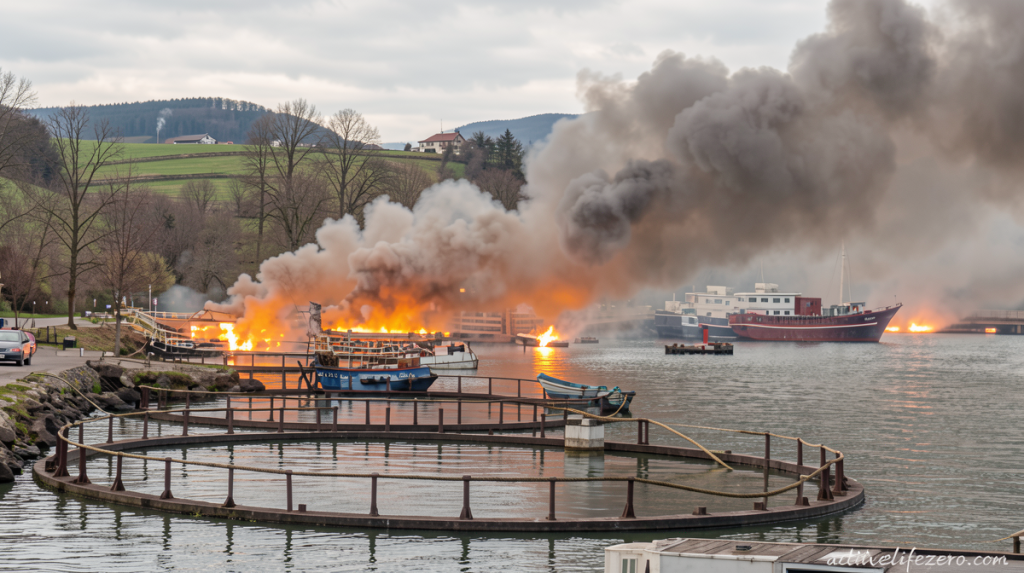
Escalation Returns: US and Iran Trade Strikes as Ceasefire Crumbles
The US is striking Iran again – The fragile truce between Washington and Tehran appears to be unraveling once more. Over the past two days, both nations have launched coordinated air, drone, and missile operations against each other, targeting dozens of sites on both sides. What began as a hopeful diplomatic breakthrough has devolved into renewed military confrontation, leaving observers questioning whether any lasting peace is possible.
Since April, when the two countries first agreed to halt hostilities, a series of reciprocal attacks have tested the durability of their understanding. The situation grew more complicated in June when both parties signed a Memorandum of Understanding intended to pave the way for a permanent resolution. However, mutual accusations have mounted rapidly. Iran contends that American forces have failed to honor their commitments, while Washington insists that Tehran is the one breaking its word.
President Donald Trump has grown increasingly frustrated with the situation. His impatience reached a peak during the NATO summit held in Turkey this week, when Iranian strikes coincided with his diplomatic engagements. On Wednesday, the president made his position clear, announcing that the MoU was finished. He characterized Iranian leadership as unpredictable and dismissed their efforts as unproductive.
“The MoU with Iran is over,” Trump declared, adding that Iran’s leaders were “cuckoo” and represented a “waste of time.”
Tehran has not remained silent in response. High-ranking officials, including the parliament speaker and chief negotiator, have taken to social media platform X to issue stern warnings. Their message was straightforward: any American attack would be met with force.
The Military Reality on Both Sides
Current operations show the US military conducting sustained bombardments against multiple Iranian locations, with most targets situated along the coastline. Despite these intensive strikes, Iranian forces continue to demonstrate their capacity to respond. Missiles and drones have been directed toward American military installations in both Kuwait and Bahrain.
The strategic importance of the Strait of Hormuz cannot be overstated. This vital waterway carries approximately twenty percent of global oil supplies during normal periods. Experts caution that the recent wave of attacks is unlikely to diminish Iran’s ability to disrupt maritime traffic through this critical energy corridor.
“The ceasefire had little chance of survival because the Iranian government that signed it has no authority over the Islamic Revolutionary Guard Corps,” explained Carl Schuster, former director of the US Pacific Command’s Joint Intelligence Center.
One factor providing some hope is that the intensity of these latest exchanges remains below the levels seen when conflict erupted in late February. This has led certain analysts to suggest that diplomatic channels remain open. Nevertheless, skepticism persists among many observers.
Why the IRGC Remains the Decisive Factor
Understanding the path forward requires examining the role of Iran’s Islamic Revolutionary Guard Corps. This elite military organization operates independently from the conventional armed forces and maintains direct reporting lines to the supreme leader. The IRGC controls the nation’s missile capabilities and views its primary mission as safeguarding the Islamic revolution.
Retired US Air Force Colonel Cedric Leighton, serving as a CNN military analyst, noted that the IRGC’s fundamental objective is preserving the current theocratic system. He argued that the ongoing aerial campaign lacks sufficient scope to compel meaningful change.
“Their overarching goal is to keep their theocratic regime in power. This air campaign won’t force them to change any of that. It’s too limited in scope,” Leighton stated.
The IRGC has demonstrated consistent interest in maintaining control over the Strait of Hormuz, a position they have held since the conflict’s early stages. Their actions have already contributed to spikes in global oil prices. While Trump desires an open and unrestricted waterway, analysts believe Iran retains considerable leverage through the IRGC.
“The only viable ceasefire is one to which the IRGC agrees, and that will happen only if the IRGC leadership believes a ceasefire is the only option that ensures the organization’s survival as an independent entity,” Schuster concluded.
Recent Triggers and Economic Dimensions
The latest escalation followed a recognizable pattern. According to a US official, the immediate catalyst was Iran’s attack on three commercial vessels operating within Oman’s territorial waters near the Strait of Hormuz on Tuesday. Tehran considers control of this waterway its most valuable negotiating asset and insists that all ships must follow designated routes and obtain permission before crossing.
A growing number of maritime vessels have begun utilizing an alternative route closer to the Omani coastline. This development threatens to erode Iran’s influence over the strait. From Tehran’s perspective, this shift violates the MoU, which contained provisions for reopening the waterway, reducing financial pressure on Iran, and establishing expectations regarding the nuclear program.
Iran’s continued attacks on shipping have prompted proportional American retaliation. The current round of fighting represents the most severe confrontation since the MoU was finalized. Meanwhile, Trump’s decision to characterize the peace agreement as terminated carries significant economic implications.
Following Tuesday’s vessel attacks, American forces launched strikes against eighty Iranian targets. Simultaneously, Washington reimposed sanctions on Iranian oil exports, reversing an earlier agreement to suspend these measures for sixty days. The IRGC responded by targeting eighty-five American military facilities across Bahrain and Kuwait, according to statements released on Wednesday morning.
These developments unfold against the backdrop of a multi-day funeral ceremony for the former Iranian Supreme Leader, adding further complexity to an already volatile situation. Whether this latest round of hostilities will lead to renewed diplomatic efforts or deeper conflict remains uncertain.
