
The Nashville Zoo has become an unlikely battleground in America’s data center race
The Nashville Zoo Unlikely Battleground in U.S. Data Center Expansion Debate
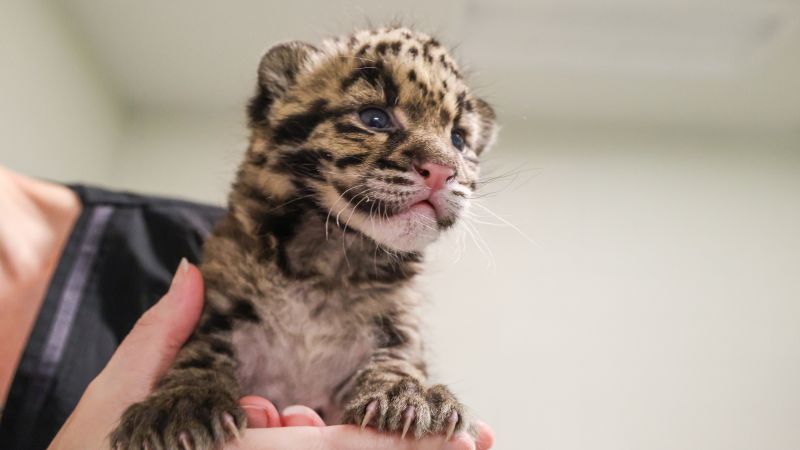
The Nashville Zoo has become an unlikely – The Nashville Zoo has become a focal point in America’s growing data center competition, as its conservation efforts intersect with the construction of a nearby industrial facility. What began as a routine breeding program for clouded leopards has now sparked a heated dispute over environmental impacts and the future of wildlife habitats. Zoo officials argue that the proposed data center, located just beyond the zoo’s perimeter, could introduce persistent noise, light, and activity that threaten the delicate conditions needed for successful animal breeding and well-being.
Industry Growth Meets Wildlife Conservation
With over 4,000 data centers dotting the U.S. landscape, the race to expand digital infrastructure has reached new intensity. These facilities, essential for powering cloud computing and artificial intelligence systems, are now facing growing scrutiny from communities concerned about their ecological footprint. The Nashville Zoo’s situation highlights how such developments can encroach on natural habitats, forcing a reckoning between technological progress and environmental stewardship.
A Petition Driven by Fear of Disruption
Residents and conservationists have rallied behind the zoo’s petition, which has amassed over 500,000 signatures in just four weeks. Country music star Brad Paisley joined the cause, calling the data center project “an absolute nightmare.” Nashville Zoo CEO Rick Schwartz emphasized the uniqueness of the conflict, stating that no other accredited zoo has publicly opposed a nearby data center with such urgency. Despite DC BLOX’s claims of mitigating effects through modern design, the zoo remains steadfast in its stance.
Zookeepers describe their work as a balancing act, ensuring the animals’ habitats mimic natural environments as closely as possible. Dr. Heather Schwartz, the animal health director, spends her days hand-rearing clouded leopard cubs, a method critical to their survival. This process involves gradual exposure to human sounds and movements, reducing stress and fostering natural behaviors. However, the looming data center raises fears that these efforts could be undermined by constant industrial noise and vibrations.
Experts warn that even low-frequency sounds from data centers can disrupt animal communication and behavior. Heather Kostick, associate director of the Penn Center for Science, Sustainability, and the Media, noted that elephants and cassowaries—both housed at the zoo—rely heavily on vibrations to interact. She cited previous studies showing how noise pollution can alter wildlife patterns, making it harder for zookeepers to maintain the serene environments crucial for animal health and reproduction.
Powering AI at the Cost of Wildlife?
The controversy also extends to the strain on local energy resources. A 50-megawatt data center could place significant pressure on the electrical grid, potentially causing outages that disrupt zoo operations. Rick Schwartz pointed to the February ice storm, which led to a multi-day power loss, as a cautionary example. While DC BLOX claims its design will minimize these risks, the zoo insists that proximity to sensitive habitats remains a red flag for long-term ecological consequences.
“The Nashville Zoo has become a symbol of the broader tensions between industry growth and conservation,” said Costa Samaras, director of the Carnegie Mellon University Scott Institute for Energy Innovation. “Its concerns reflect a national shift in how communities evaluate the trade-offs of modern infrastructure.”
As the debate unfolds, the Nashville Zoo’s case underscores the need for careful planning in data center development. With its unique role in clouded leopard breeding and its commitment to creating naturalistic habitats, the zoo’s opposition to the project has drawn attention to the hidden costs of expanding digital infrastructure. The outcome of this conflict may set a precedent for future projects at the intersection of technology and wildlife preservation.
