
Pickle is the pumpkin spice of summer
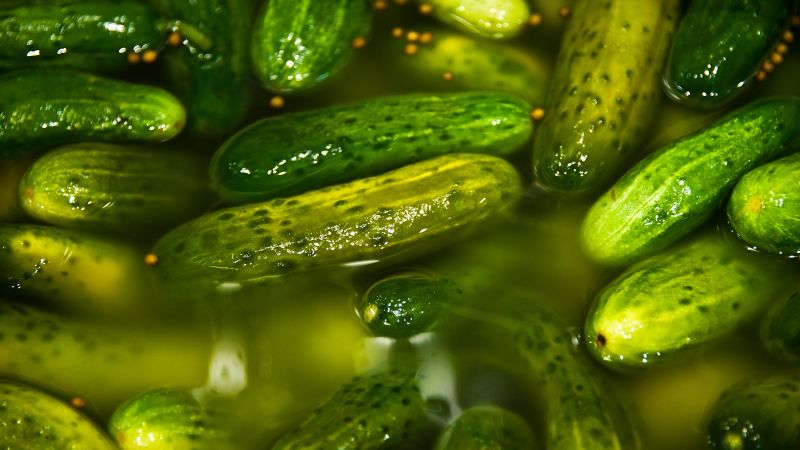
Pickle is the pumpkin spice of summer
Pickle is the pumpkin spice of summer – Once relegated to the sidelines of American cuisine, pickles are now stealing the spotlight in summer. From casual barbeques to health-focused snacks, the tangy, briny flavor has transcended its traditional role as a condiment. This shift, dubbed a “pickle renaissance” by food trend experts, has transformed the once-derided sidekick into a flavor that defines the season. Andrea Hernandez, a food trend forecaster and author of the Snaxshot newsletter, describes the phenomenon as a “major unlock for a category that has been sleepy for a while.”
The Evolution of a Flavor
Historically, pickles were found in familiar places: on hot dogs, tucked inside hamburger buns, and wrapped in wet wax paper at delis. But today, their presence is more varied. Imagine sipping a pickle-infused lager at a summer gathering, or enjoying dill pickle seasoning drizzled over plain chicken and rice before a beach day. Even the humble potato chip has been reimagined with a pickle twist, now available in packs for poolside snacking. Brands are also offering pickle juice as a standalone product, highlighting its versatility in cocktails or as a probiotic supplement.
“What was once a ‘boring sidekick’ is ‘now the main character,’” Hernandez noted. “It’s not just a trend—it’s a cultural shift.”
This transformation mirrors the seasonal appeal of pumpkin spice, which has long been associated with fall. While pumpkin spice has become a cliché, often criticized for overuse, pickle maintains a crisp, fresh edge. Its popularity isn’t confined to one product category; it’s appearing in ice pops, candy bars, and even the iconic Spam can. Consumers are less concerned with whether the product contains actual pickle and more focused on the mood it evokes—breezy, summery, or adventurous.
The Organic Growth of the Pickle Trend
The rise of pickle as a dominant flavor is more organic than the recent bacon boom, which was fueled by industry-driven marketing campaigns. Hernandez suggests that the current pickle craze is driven by genuine consumer demand rather than a calculated campaign. “It’s not something that feels gimmicky—it’s a natural evolution,” she said. This is evident in the diversity of products now featuring the flavor, from protein bars to frozen pizza, and even mayonnaise and mustard.
Artisanal pickles have played a key role in this movement. Brands are experimenting with bold, distinctive flavors like honey harissa or purple grape, appealing to both niche and mainstream audiences. These pickles are no longer just for delis—they’re now available in national grocery stores, often in sleek, modern packaging that reflects their premium status. For instance, Oh Snap! pouches of baby dills offer a convenient alternative to traditional snacks, blending health-conscious appeal with convenience.
Meanwhile, the broader food landscape is embracing the trend. Items that weren’t previously associated with pickles—such as popcorn, peanuts, and even seltzers—are now infused with the flavor. This fusion of unexpected ingredients highlights a growing appetite for bold, unconventional taste combinations. The pickle’s versatility has made it a symbol of summer, much like pumpkin spice is for autumn, though its allure feels more contemporary.
Generational Shifts in Flavor Preferences
The pickle phenomenon has also been shaped by generational trends. Millennials were among the first to champion the flavor, often purchasing artisanal pickles at farmers’ markets and associating pickling with a hip, crafty activity. This was humorously critiqued in shows like “Portlandia,” which mocked the trend as a quirky, upscale pursuit. However, for Gen Z, the rise of pickle was more intimate, emerging from the confines of home during the pandemic.
During lockdowns, younger consumers—referred to as “Zoomers” by Hernandez—were deprived of sensory experiences, prompting a search for extreme flavors. This led to a surge in popularity for bizarro food combinations, such as spicy pickle ice pops or sweet-and-sour pickle-infused snacks. TikTok users, in particular, played a pivotal role by broadcasting their daring attempts to consume the most intense versions of the flavor, including those that mimic the heat of a Warhead candy.
These digital platforms amplified the appeal of pickle, positioning it as a symbol of creativity and experimentation. Unlike pumpkin spice, which has become a predictable seasonal staple, pickle feels more dynamic. Its rise is less about branding than about evolving tastes, with consumers craving flavors that offer both novelty and sophistication. Hernandez pointed out that this generation is drawn to combinations that blend global influences, like Korean or Moroccan spices, with cute branding and health-centric messaging.
The Role of Big Brands
As the demand for pickle products grew, major corporations began to take notice. Frito-Lay, for example, observed the success of smaller, independent pickle brands and responded by expanding their own offerings. Trader Joe’s, in particular, quickly capitalized on the trend with its private-label pickle line, which now includes a range of products from snacks to condiments. While these big brands initially moved slower than artisanal producers, their eventual entry into the market has solidified pickle’s status as a mainstream flavor.
Consumers are increasingly buying into the health halo surrounding pickles. Despite debates about whether fermented brine truly supports gut health or replenishes electrolytes, the perception of pickle as a functional, beneficial food has taken hold. Products like Grillo’s Liquid IV dill pickle electrolyte powder tap into this belief, marketing pickle as a way to stay hydrated and energized during the summer heat. This has created a paradox: while the flavor is now ubiquitous, its health benefits are often exaggerated or oversimplified.
Hernandez emphasized that the pickle trend is not a short-lived gimmick. “It’s not just a passing fad—it’s here to stay,” she said. This resilience is partly due to the adaptability of the flavor, which can be paired with both savory and sweet elements. Whether in a summer cocktail or a sweet pie-flavored can of Spam, pickle continues to defy expectations. Its journey from a humble condiment to a cultural icon underscores a broader shift in how Americans engage with food, seeking flavors that are as much about experience as they are about taste.
As summer heats up, so does the demand for pickle-flavored items. From the condiment aisle to the checkout line, the flavor is now a fixture in everyday life. This renaissance isn’t just about nostalgia—it’s about reinvention. Pickles, once seen as a simple, unexciting food, are now a symbol of bold experimentation and a reminder that even the most ordinary ingredients can become extraordinary when given the right context.
