
Oldest known evidence of plague reveals the disease’s deadly impact 5,500 years ago
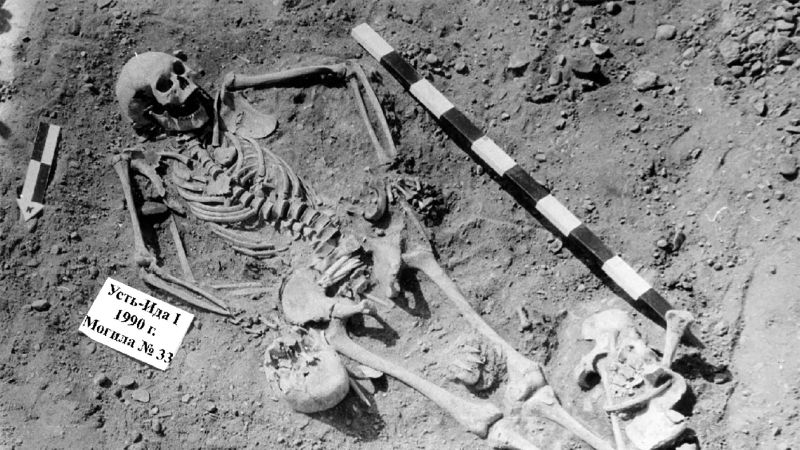
Oldest Known Evidence of Plague Found 5,500 Years Ago
Oldest known evidence of plague reveals – Researchers have discovered the earliest known evidence of plague, dating back more than 5,500 years, in ancient DNA extracted from cemeteries in southeast Siberia. This groundbreaking finding, published in Nature, suggests that a deadly strain of Yersinia pestis, the bacterium responsible for historical pandemics like the Black Death, may have affected human populations long before the rise of agriculture. The discovery challenges previous assumptions about the disease’s origins and how it spread in prehistoric societies, offering new insights into the ancient history of infectious diseases.
Tracing the Plague Through Hunter-Gatherer Remains
The study focused on the remains of hunter-gatherers from the Lake Baikal region, where archaeologists observed an unusual pattern of burials. These cemeteries contained a high proportion of children and adolescents, with few visible injuries or signs of trauma, hinting at a mysterious cause of death. Genetic analysis revealed that nearly 40% of the samples tested contained Yersinia pestis, a significant rate that implies the disease was widespread and lethal in this isolated community. The presence of a genetic marker linked to severe illness further supports the idea that the plague had a profound impact on these early populations.
Previously, the earliest documented evidence of Yersinia pestis was thought to be around 3,800 years old, with researchers believing the bacterium had evolved from livestock before infecting humans. This new research, however, shows that the pathogen may have thrived independently in human populations much earlier. The findings suggest that the plague could have originated in hunter-gatherer societies, challenging the long-held theory that it emerged alongside domesticated animals and fleas.
Revisiting the Spread of Infectious Diseases
Dr. Ruairidh Macleod, lead author of the study, explained that the plague’s prevalence among mobile hunter-gatherers highlights a key shift in understanding disease transmission. “These communities were constantly on the move, which would typically reduce the spread of pathogens,” he noted. “Yet the high infection rate among their remains indicates that the plague was able to persist and cause widespread mortality.” This discovery could reshape epidemiological models, suggesting that infectious diseases may have developed more rapidly in human populations than previously believed.
The cemeteries near Lake Baikal, with their well-preserved remains, provided a unique opportunity to study the plague’s impact. Archaeological evidence indicates that the community engaged in complex burial rituals, often interring multiple generations together. This practice, combined with the high infection rate, raises questions about how the disease was transmitted within families and how it might have influenced social structures in ancient times. The staggered deaths of relatives also point to the plague’s cyclical nature, with outbreaks occurring in waves.
Implications for Human History and Future Research
The identification of Yersinia pestis in these ancient remains adds a new chapter to the story of human pandemics. It suggests that the disease’s deadly potential was already evident thousands of years ago, possibly contributing to population declines that shaped the course of human evolution. This evidence could also help clarify the genetic adaptations that made the plague so virulent, as well as its environmental triggers in prehistoric societies.
As scientists continue to analyze the data, the implications for understanding the spread of infectious diseases remain profound. The study underscores the importance of ancient DNA research in uncovering hidden chapters of human history. With further investigation, the oldest known evidence of plague may not only refine our knowledge of the past but also inform modern strategies for combating pandemics in the present. The discovery serves as a reminder that the roots of some of today’s deadliest diseases stretch back to the very beginnings of human civilization.
