
Massive die-off predicted for exceptionally rare trees on California island wildlife oasis
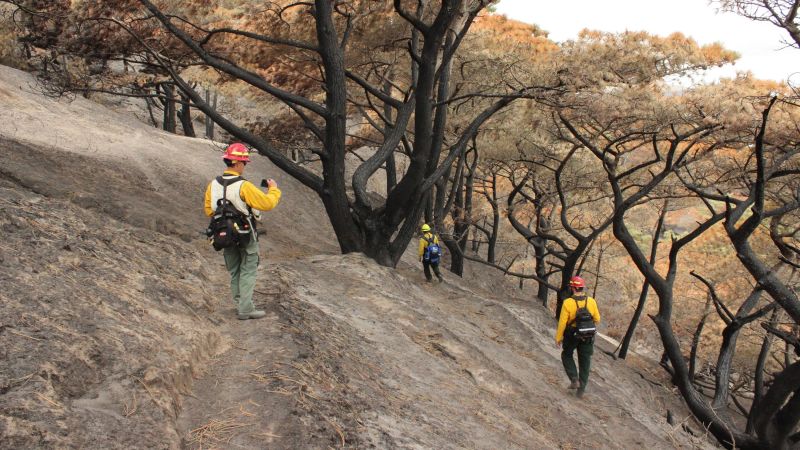
California Island Faces Potential Catastrophe for Rare Pine Species Following Historic Blaze
Activelifezero.com – Ecologists are bracing for significant losses after a human-caused wildfire swept through Santa Rosa Island in May, consuming more than a third of this remarkable offshore sanctuary. Located approximately 26 miles from the California mainland, the island serves as a unique wildlife refuge within the Channel Islands National Park. This isolated ecosystem harbors plant and animal species found nowhere else on the planet, making the recent devastation particularly troubling for conservationists.
According to federal damage assessments, the blaze represents the most extensive fire in the park’s recorded history. The flames severely impacted a critically endangered population of Santa Rosa Island Torrey pine trees, which rank among the world’s most uncommon pine species. Ana Cholo, a spokesperson for the National Park Service, revealed to CNN that while some trees perished immediately, the long-term prognosis appears even more dire. Based on the severity of the damage, experts project that between 60 and 80 percent of the grove’s trees will eventually die. Only a mere 2 percent of the original grove escaped the flames entirely.
Ecological Significance of the Torrey Pine
The Torrey pine’s role extends beyond its own survival. These distinctive, gnarled trees grow on sandstone bluffs overlooking the ocean. Their needles serve a crucial function by capturing fog moisture, which then drips down to nourish their roots and surrounding vegetation. Heather Schneider, who directs conservation and research at the Santa Barbara Botanic Garden, explained the importance of this mechanism to CNN.
“Plants like this affect local water availability and can make a huge difference in terms of how much water is captured by life on the ground.”
Cholo noted that Torrey pines lack strong fire adaptation, meaning even moderate burns can cause delayed mortality. A comprehensive evaluation is currently in progress, and scientists expect it could take at least twelve months to fully understand the scope of the damage.
Genetic Vulnerability and Conservation Efforts
The Torrey pine population has faced extinction risks even before this fire due to its restricted geographic range and limited genetic diversity. Dustin Wolkis, the science and conservation director at the Center for Plant Conservation, emphasized that small, isolated plant populations are highly susceptible to destructive events. He warned that losing even minimal genetic variation can prove devastating for such populations.
“When you lose even just a little bit of genetic diversity, that can be catastrophic for the population,” Wolkis stated. “Once that genetic diversity is lost, you cannot get that back. All you can do is maintain what you have.”
Reduced genetic diversity also diminishes the population’s ability to adapt to future environmental shifts, including emerging diseases. As numbers decline, overall resilience weakens accordingly, according to Wolkis.
Fortunately, Schneider described an unexpected opportunity for recovery. Several years before the fire, her organization had been gathering seeds from the island’s Torrey pines. Through cultivation efforts, they established a conservation grove and currently hold approximately forty additional seeds in their nursery. These specimens could potentially aid in restoring the damaged grove, though scientists must first determine whether active intervention is necessary.
Looking Toward Recovery Amid Climate Challenges
Multiple organizations, including the Center for Plant Conservation and the Santa Barbara Botanic Garden, have preserved seeds from the island pines—a strategy Wolkis considers essential for rare species protection. Additionally, the surviving trees may possess their own natural seed bank. While mature trees typically release most of their seeds, they retain some for extended periods, sometimes exceeding ten years. If seeds survived in the canopy, even deceased trees might contribute to rebuilding the arboreal community.
Whether humans plant new seeds or they germinate naturally from scorched cones, the next generation of Torrey pines will face mounting pressures from global climate change. Schneider pointed out that many plants require specific environmental conditions throughout their lifecycle, and Santa Rosa Island is experiencing shifts. Rising temperatures and a delayed rainy season are altering the landscape.
“It’s a hard time to be a pine tree on Earth as the climate shifts,” Schneider observed.
As scientists continue monitoring the situation, the combination of fire damage, genetic constraints, and changing weather patterns presents a complex challenge for one of California’s most treasured natural treasures. The coming years will reveal whether conservation efforts can help this ancient species endure.
Related Reading
Frequently Asked Questions
What is Massive die off predicted for exceptionally?
Massive die off predicted for exceptionally is the main topic of this guide. The article explains the context, practical details, and next steps readers should understand.
Why does Massive die off predicted for exceptionally matter?
Massive die off predicted for exceptionally matters because readers are looking for a useful answer, not just a short summary. Good content should match search intent and help them decide what to do next.
