James Talarico blasts Trump FCC’s ‘dangerous’ cancel culture over Kimmel interview ordeal

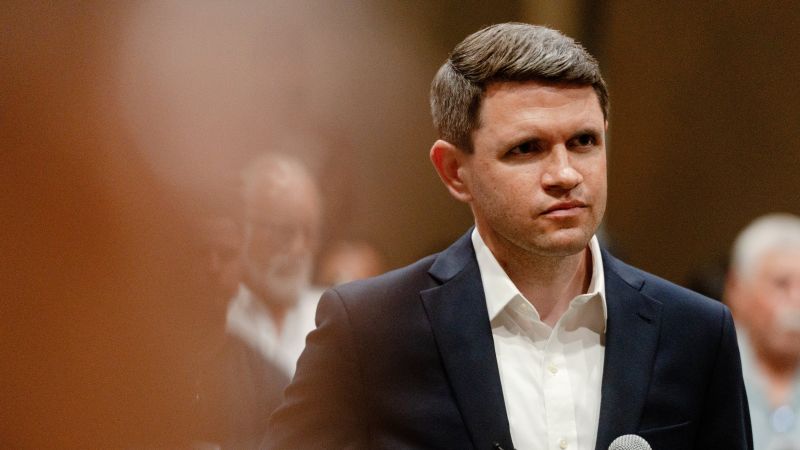
James Talarico Blasts Trump FCC Over Kimmel Interview Shift
Activelifezero.com – James Talarico blasts Trump FCC’s approach to broadcast regulation as “dangerous” after his planned interview with Jimmy Kimmel was moved from ABC television to YouTube. The Texas Democratic Senate candidate said the episode raises wider concerns about political pressure and free expression in American media.
Talarico had been scheduled to appear on Kimmel’s ABC late-night program on Thursday. Instead, the interview was set to be released online, where it would not face the same Federal Communications Commission rules that apply to broadcast stations.
Kimmel, a frequent critic of President Donald Trump, told his audience that the administration’s FCC had targeted him, his show, ABC, and local television stations. He suggested the scrutiny extended to routine editorial decisions, including the guests his program invites.
“Now that he’s president, his FCC has threatened me, threatened our show, threatened our network,” and local stations, Kimmel said.
The White House disputed that account. A spokesperson said FCC Chairman Brendan Carr had not threatened Kimmel over an interview with Talarico or another candidate, and called on media organizations to provide evidence of any such pressure.
Equal-Time Rules Drive the Broadcast Dispute
The disagreement centers on the FCC’s equal-time rule, which generally requires broadcasters that provide free airtime to one qualified political candidate to offer comparable opportunities to opposing candidates. The rule includes exceptions, particularly for news programming.
In Talarico’s case, the potential opposing candidate is Texas Senate nominee Ken Paxton. Late-night and daytime talk shows have generally been treated as eligible for news-related exemptions for about two decades, though Carr has questioned how those exemptions are being applied.
Earlier this year, the FCC opened an investigation into ABC’s “The View” after Talarico appeared during the Democratic primary, citing a possible equal-time concern. Stephen Colbert later said CBS had told him to meet equal-time requirements for a Talarico interview, something he described as unprecedented in his 21 years in the job.
Colbert moved his interview to YouTube, and Kimmel followed the same path. Kimmel said the online platform allowed the discussion to remain available while avoiding the broadcast restrictions at issue.
“Thank goodness we have that,” Kimmel said of YouTube, calling it the best available option “until November.”
James Talarico Blasts Trump FCC as a Free-Speech Concern
James Talarico blasts Trump FCC actions as a form of political censorship, arguing that the stakes extend beyond one interview, television program, or Senate race. In an appearance on MS NOW, he said political leaders and media executives should not control what Americans can watch, read, or say.
“The most dangerous form of cancel culture” is when powerful politicians and media executives control what people can watch, read, and say, Talarico said.
FCC Commissioner Anna Gomez, the agency’s only Democrat, also raised concerns about the pattern of enforcement. She said ABC and its programs appeared to be facing pressure to provide content favored by the administration. Carr did not comment Thursday.
The dispute highlights the difference between traditional broadcasters and digital platforms. Television and radio stations use public airwaves and fall under FCC oversight, while YouTube does not face regulation in the same way. That distinction has made online platforms an important outlet for political interviews when broadcasters fear regulatory challenges.
FAQ: What Does This Mean for US Viewers?
Why was the Talarico interview moved to YouTube? The move was intended to avoid potential equal-time issues that could apply to an ABC broadcast interview with a political candidate.
Does the FCC regulate YouTube like ABC? No. The FCC regulates broadcast television and radio stations that use public airwaves, but YouTube is not subject to those rules in the same manner.
What is the larger concern? Critics say aggressive use of broadcast rules could discourage networks and local stations from interviewing candidates or airing political commentary, while supporters argue that equal-time requirements remain necessary for fairness.