
Iron Age woman likely had her brains scooped out before burial, study suggests
Iron Age Woman Likely Had Her Brains Removed Before Burial, Study Says
Brain Removal Reveals Iron Age Ritual Practices
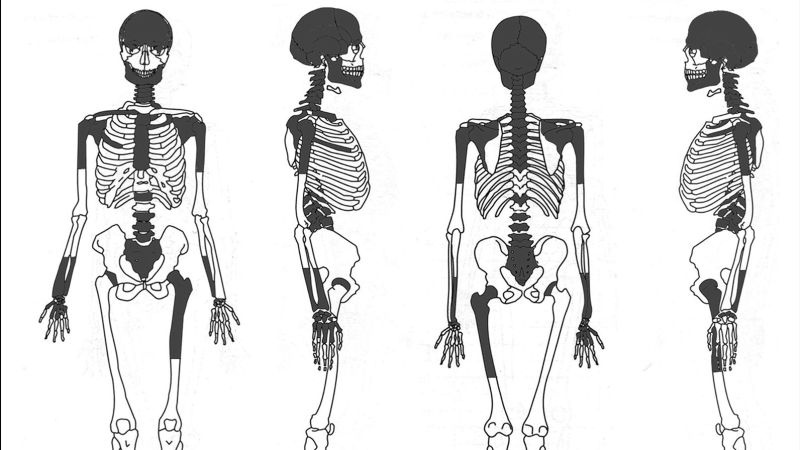
Iron Age woman likely had her brains – Researchers have discovered compelling evidence that an Iron Age woman may have had her brain extracted before burial, according to a study published in the journal Antiquity. The analysis of remains found in a cairn on the northern edge of the Scottish mainland suggests a deliberate and precise method of skull modification. The woman, estimated to have been over 30 years old at the time of her death, showed straight, parallel cuts on the inner skull surface, likely made by a sharp tool. These incisions indicate a purposeful attempt to remove the brain, a practice that may have held cultural or symbolic significance.
One of the most notable features of the discovery is the fractured base of the skull, which was not accidental. The cuts and breakage appear to have been targeted, allowing for easy access to the brain while leaving the cranium intact. Dr. Laura Castells Navarro, a postdoctoral researcher at the University of York, explained that the location of the cuts aligns with the areas where the brain is connected to the skull via ligaments. “This precision implies a deep understanding of human anatomy,” she stated, adding that the process would have required careful execution to achieve the desired result.
“The base of the skull offers the most straightforward way to remove the brain while preserving the cranium,” Castells Navarro noted. “The freshness of the break supports the idea that this was a recent and intentional act.”
Unusual Modifications on Bones
Alongside the skull alterations, the study found signs of intentional changes to at least four long bones—femur, humerus, and ulna—suggesting a broader pattern of ritual treatment. The humeri and ulna showed evidence of being snapped and then reshaped into pointed forms, while the femur remained flat and smooth. These modifications contrast with the less complex arrangement of the nearby male remains, indicating that the woman’s burial involved more intricate steps. The researchers argue that such changes could have been part of a symbolic process, possibly to honor her or to represent her status in the community.
The analysis also included DNA, radiocarbon dating, and chemical testing on the molar teeth of both individuals. Results indicate the woman and the young male buried with her were closely related, likely maternal second cousins sharing a common great-grandparent. They may have lived between 50 BC and 70 AD, though their burials might not have occurred simultaneously. This familial connection adds depth to the interpretation of the ritual, raising questions about the role of kinship in Iron Age funerary traditions.
Context of the Discovery
The cairn where the remains were found dates back to the Iron Age and was constructed on a mountain slope, a location often chosen for its symbolic or spiritual importance. The presence of both individuals in this setting suggests that the woman’s brain removal was part of a ritualized burial practice, possibly tied to her status as an ancestor or a revered figure. The other burial, of a young male, showed simpler modifications, hinting at a distinction in how different community members were treated after death.
Broader Cultural Significance
While the brain removal from the woman is a unique find, it fits into a wider pattern of handling human remains during the Iron Age. Similar techniques have been observed in other regions, such as the use of skulls to create holes for hanging or display. These practices reflect a cultural emphasis on the symbolic value of the body, where modifications could signify status, identity, or connection to the spiritual world. The study’s authors emphasize that such rituals likely varied across communities but shared a common reverence for the deceased.
Revealing Precision in Ancient Practices
Castells Navarro highlighted the “insane knowledge of anatomy” required to perform the brain extraction, underscoring the sophistication of Iron Age mortuary customs. The cuts on the skull were not only straight but also evenly spaced, suggesting a methodical approach. This attention to detail aligns with the broader trend of modifying remains to create meaningful artifacts or displays. The researchers believe these actions were not random but carried deep cultural or spiritual significance, possibly linked to beliefs about the afterlife or the role of ancestors in society.
Questions and Future Research
Although the study provides strong evidence for the brain removal, some questions remain unanswered. The exact motivation behind the practice—whether it was a form of tribute, a ritual to honor the dead, or a way to symbolize status—is still under investigation. Further research into similar sites across Britain and mainland Europe could shed more light on the diversity of Iron Age funerary traditions. This discovery not only deepens our understanding of ancient rituals but also highlights the complex ways in which communities interacted with their dead to reflect social values and beliefs.
