Iran-backed rebels capture Red Sea port, tightening grip on a key global chokepoint

Iran-Backed Rebels Capture Red Sea Port of Mocha
Activelifezero.com – Iran backed rebels capture Red Sea port Mocha, a strategically important town on Yemen’s western coast, in a development that could reshape the struggle around one of the world’s most sensitive maritime routes.
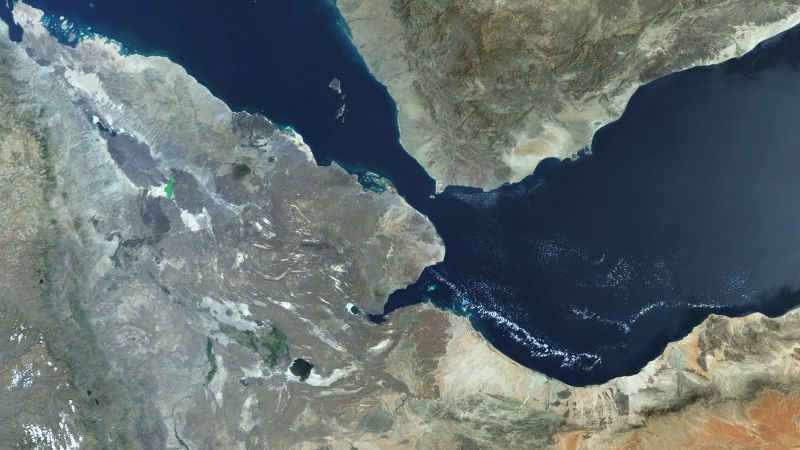
Mocha is about 50 miles north of Perim Island, near the Bab al-Mandeb strait. The passage links the Red Sea to the Gulf of Aden and the Indian Ocean, making nearby territory important for both regional forces and international shipping.
The Iran backed rebels capture Red Sea position as concern grows over commercial traffic between Asia and Europe. The Bab al-Mandeb route supports cargo shipping through the Suez Canal and remains vital to global trade and oil movements.
Mocha’s strategic importance
Mocha had been held by the Saudi-backed National Resistance Forces led by Tarik Saleh, a vice president in Yemen’s internationally recognized government. Houthi forces said they seized the town after intensified fighting along the coast.
More than 25 Houthi rockets struck the large harbor several weeks earlier while commercial ships were being unloaded, according to port director Abdel Malek Al-Sharaabi.
The advance may strengthen Houthi influence near Bab al-Mandeb while limiting the ability of rivals to mount ground operations from Yemen’s western coastline.
“They are in a good position to increase their influence around Bab Al-Mandeb…and they can now protect themselves from any ground operations that can come from this area,” Ahmed Nagi, senior Yemen analyst at the International Crisis Group, said.
Perim Island sits directly beside the chokepoint. Saleh warned earlier this month that Houthi control of the island could give the group dominance over the strait, and that removing fighters would require a major international force and naval involvement.
Conflict expands beyond Yemen
The Iran backed rebels capture Red Sea port amid a broader escalation involving Iran, the United States and Saudi Arabia. Tehran has warned it would intensify hostilities against Washington, which maintains a naval blockade of Iran and continues military strikes against the country.
Yemen’s war had largely remained deadlocked after the 2022 truce between the Houthis and Saudi-backed forces. Renewed fighting has followed months of economic hardship and humanitarian strain, alongside the wider regional confrontation.
In July, the Houthis allowed an Iranian aircraft to land in Sanaa. The plane was expected to carry a Houthi delegation to the funeral of Supreme Leader Ayatollah Ali Khamenei. Saudi Arabia responded by ordering strikes on runways at Sanaa airport.
The Houthis accused Saudi Arabia of enforcing a blockade, then moved against Saudi shipping, fired at vessels near Yemen and targeted oil facilities in the kingdom. Saudi Arabia is a US ally and hosts American troops and military bases that Iran says were used in operations against it.
What the capture could mean for shipping
The Iran backed rebels capture Red Sea foothold is more than a territorial development inside Yemen. It raises the risk of disruption for cargo vessels, tankers and crews using the route between the Mediterranean and Asian markets.
A blockade or prolonged insecurity around Bab al-Mandeb could force shipping companies to consider longer routes, increase costs and deepen pressure on a global trade corridor. It could also draw US military forces into another maritime crisis while Washington seeks to protect navigation through the Strait of Hormuz.
FAQ: Red Sea shipping and Mocha
Why is Mocha important? Mocha is close to the Bab al-Mandeb strait, a key gateway between the Red Sea and the Gulf of Aden. Its location can affect military access and shipping security near the chokepoint.
What is the Bab al-Mandeb strait? It is a narrow waterway connecting the Red Sea with the Gulf of Aden and the Indian Ocean. Ships traveling between Europe and Asia commonly rely on this route and the Suez Canal.
Could the fighting affect global trade? Continued conflict near the strait could increase danger for commercial vessels, delay shipments and encourage operators to use longer alternative routes.