How the right wing decided to care about women’s basketball in Indiana

Daftar Isi
Women’s Basketball Finds New Allies in the Culture Wars
Activelifezero.com – A routine WNBA matchup between Seattle and Indiana recently transformed into a cultural flashpoint, drawing attention from political figures who had little interest in basketball just months ago. The incident centered on Celeste Keaton, who co-owns the Seattle Storm, as she confronted two teenage spectators at courtside. Both girls wore shirts displaying “XX/XY” — a nod to human sex chromosomes — while one carried a placard thanking Sophie Cunningham for her stance on girls’ sports.
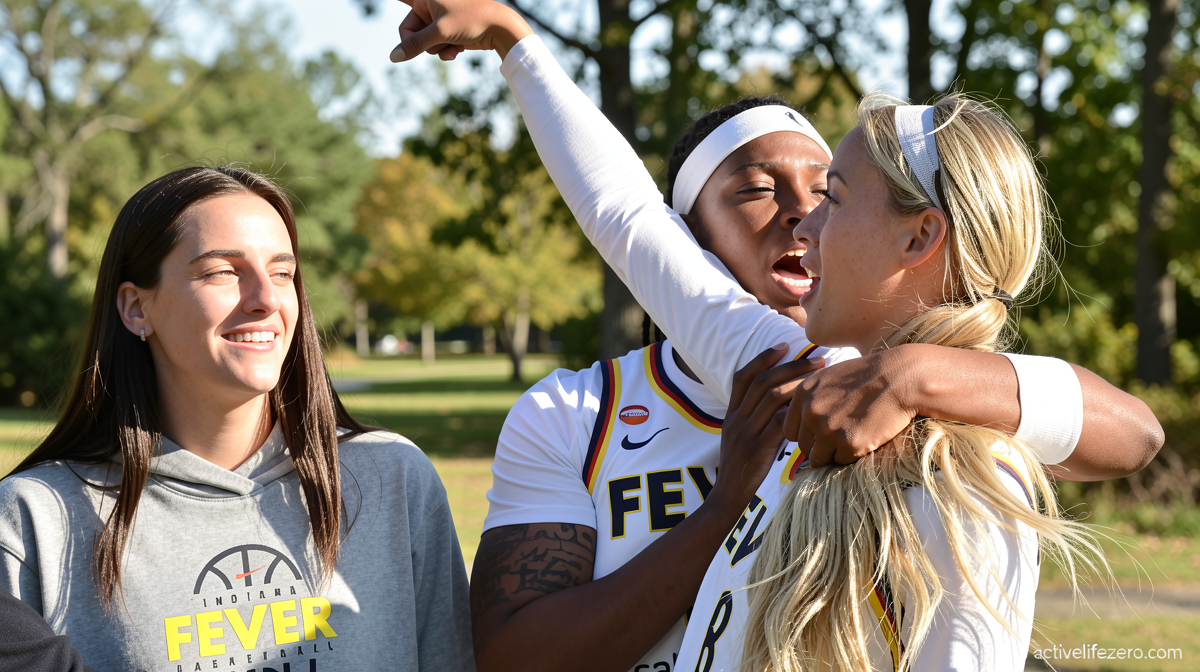
Cunningham, a bench guard for the Indiana Fever and their fourth-leading scorer, has emerged as an unlikely figurehead for conservative activists. She described transgender athlete restrictions as “common sense,” a position that resonated deeply with right-wing audiences. Her comments aligned with XX-XY Athletics, a brand founded by Jennifer Sey specifically to advocate for keeping transgender women out of women’s competitions.
The Seattle Confrontation and Its Aftermath
Keaton faced consequences for her involvement in the courtside encounter. The WNBA imposed a five-game suspension for home games and issued a fine. The league also released an apology regarding Keaton’s conduct, signaling institutional awareness of the growing political tensions surrounding the sport.
Days after the Seattle incident, the Fever traveled to Minnesota to face the Lynx. Jennifer Sey attended that game, seated courtside alongside Riley Gaines. Gaines, a former collegiate swimmer, has built a public career around opposing transgender participation in women’s athletics. Her prominence stems from a fifth-place tie during national finals against a transgender competitor — an outcome she transformed into advocacy work.
The presence of both Sey and Gaines at a basketball game without any transgender players raised questions among observers. Why would an ex-gymnast and ex-swimmer take such visible stands at a WNBA contest? The answer lies in the broader political landscape, where women’s sports have become a battleground for cultural values.
The Fever’s Unexpected Cultural Moment
The Indiana Fever, historically a middle-tier franchise, have experienced renewed success on the court. Fourteen years removed from their sole championship, the team has climbed into championship contention. Yet their media presence extends beyond athletic achievement. Right-wing activists have embraced Fever games as platforms to express concerns about gender and race.
Ahnaleigh Wilson, one of the teenagers in Seattle, exemplifies this new generation of advocates. A high school runner sponsored by XX-XY Athletics, Wilson has publicly opposed transgender women in sports since 2024. Right-wing podcaster Brandi Kruse accompanied Wilson and the other teen to the Seattle game, later promoting the story online. Kruse noted that a “generous donor” covered the ticket costs, though XX-XY did not respond to inquiries about the arrangement.
The political attention intensified when J.K. Rowling, the Harry Potter author and prominent trans rights opponent, called the teenagers “heroines” on X. Sey also published a Substack column defending the girls as principled victims of changing sports policies.
Caitlin Clark Becomes a Political Symbol
Before Cunningham captured conservative attention, Caitlin Clark served as the Fever’s primary focus for right-wing supporters. The young guard holds the all-time scoring record in Division I basketball, surpassing both men’s and women’s marks. Like Cunningham, Clark is a white player, a detail that has influenced how her treatment is framed politically.
In early July, eleven Republican lawmakers sent a letter to WNBA Commissioner Cathy Engelbert. Led by Texas Representative August Pfluger, the group complained that Clark had been “hip-checked, poked in the eye, and struck in the throat during games.” The letter speculated that this rough conduct “may be racially motivated” and threatened federal investigations unless the league took “meaningful action.”
Professional basketball has always been physical. The NBA’s “Jordan Rules” in the 1980s demonstrated how teams would test the limits of physical intimidation against rising stars. Yet right-wing media outlets have elevated Clark’s experience into a scandal. Fox News has covered her fouls more extensively than traditional sports networks, creating what they termed a “Caitlin Clark hard contact timeline: WNBA’s growing history of brutal hits against the face of the sport.”
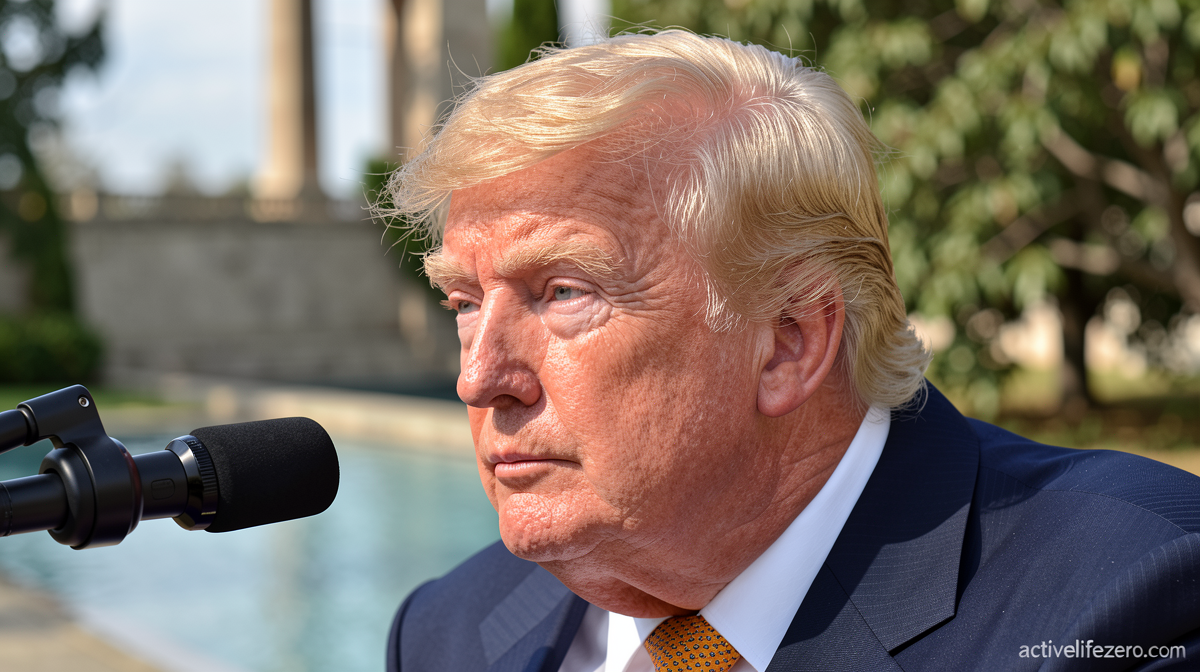
Newsmax host Greg Kelly called for police intervention after replaying a flagrant foul by Phoenix Mercury’s Alyssa Thomas in June. The WNBA suspended Thomas for one game. President Donald Trump also weighed in, stating Clark was “treated rather rough.” Notably, the letter and subsequent commentary largely overlooked that Black women, who predominantly comprise the league, frequently receive fouls as well.
What began as a basketball story has evolved into a broader cultural debate. The Fever’s on-court success provides a backdrop for these political narratives, transforming a mid-tier franchise into a symbol of larger American values. Whether this attention endures beyond the current news cycle remains to be seen, but the intersection of sports and politics has never been more visible.
Related Reading
Frequently Asked Questions
What is How the right wing decided to care?
How the right wing decided to care is the main topic of this guide. The article explains the context, practical details, and next steps readers should understand.
Why does How the right wing decided to care matter?
How the right wing decided to care matters because readers are looking for a useful answer, not just a short summary. Good content should match search intent and help them decide what to do next.