
Historically low water level in two crucial US reservoirs threatens water and power millions
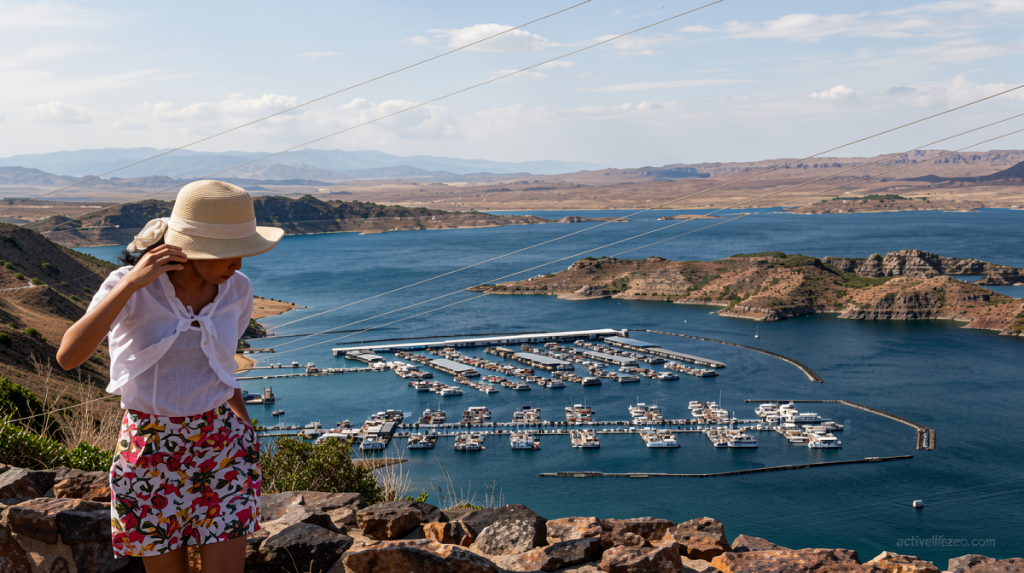
Colorado River Reservoirs Hit Unprecedented Lows, Sparking Urgent Water Management Concerns
Record-Breaking Decline in Critical Water Storage
Activelifezero.com – The twin reservoirs of Lake Powell and Lake Mead have reached their lowest combined water levels in nearly seven decades, marking what hydrologists describe as a watershed moment for the American Southwest. As of July 12, Lake Powell stood at 3,524 feet above sea level while Lake Mead measured just beneath 1,043 feet. These figures shattered the previous record established in March 2023, according to a comprehensive analysis released by five leading Colorado River experts.
What makes this decline particularly striking is that the two reservoirs have not simultaneously reached such low levels since 1957, during the initial construction phase of the Glen Canyon Dam. At that time, Lake Powell had not yet been created, making this the first time in recorded history that both bodies of water have experienced such extreme depletion together.
It’s a milestone in the history of water storage in the Colorado River Basin, said Jack Schmidt, director of the Center for Colorado River Studies at Utah State University and an author on the analysis. The record reveals the seriousness of the uniquely small amount of water that is presently stored in the basin’s reservoirs.
The Lifeblood of the American Southwest
Stretching 1,400 miles from its Rocky Mountain headwaters to the Gulf of California, the Colorado River serves as the essential water artery for the western United States. The river’s journey begins with melting snowpack in the mountains, flowing through seven states before reaching its terminus. This vast waterway irrigates more than five million acres of agricultural land, generates sufficient electricity to supply approximately 700,000 households, and provides drinking water for 40 million residents across the region.
Lake Powell and Lake Mead function essentially as a single massive reservoir divided by the Grand Canyon. Together, these two lakes contain just under 60 percent of all water currently stored within the Colorado River Basin. However, this critical water supply has been shrinking at an alarming rate over the past quarter century. Rising water demand combined with climate change has created hotter, drier conditions and reduced snowfall, resulting in 95 percent of the basin experiencing drought conditions today.
Last winter proved particularly harsh for the western United States, delivering one of the warmest and driest seasons on record. This combination created what experts call a snow drought, where insufficient snowpack fails to act as the natural water tower that typically replenishes reservoirs during spring runoff.
Accelerating Decline and Future Projections
Since the record was first established last week, water levels in both reservoirs have continued their downward trajectory. Lake Powell, currently sitting at 23 percent capacity, has reached its lowest July level ever recorded. Based on present rates of decline, the reservoir could hit its all-time minimum within the coming month. Meanwhile, Lake Mead holds 27 percent of its capacity and remains less than one foot away from its all-time low, originally set in July 2022.
Researchers project that Lake Mead and Lake Powell will establish a new combined record low every single day from this point until next spring, when winter snowpack runoff begins restoring water levels. A July report from the Bureau of Reclamation warns that Lake Powell could drop to its minimum power pool level by spring 2027, a critical threshold beyond which the dam would lose its ability to generate hydropower.
The low reservoir levels are a dramatic signal that the system is at risk of crashing, meaning reservoir levels so low that water cannot be delivered from them, said Sarah Porter, director of the Kyl Center for Water Policy at Arizona State University.
Political Challenges and Negotiation Complexities
The deteriorating water situation threatens to complicate ongoing negotiations among the seven basin states regarding water distribution. Under the 1922 Colorado River Compact, the Upper Basin states—Colorado, New Mexico, Utah, and Wyoming—receive 7.5 million acre-feet annually, while the Lower Basin states of California, Arizona, and Nevada receive an equal allocation.
As the river continues to shrink, all states must accept reduced allocations, though the practical implementation remains unresolved. A federally mandated February deadline for agreement passed without resolution. According to Porter, states face the difficult task of agreeing to substantial cuts and potentially novel management strategies that must then be explained and accepted by local water users and decision-makers.
On Tuesday, Interior Secretary Doug Burgum convened a virtual gathering with governors from all seven basin states to discuss the Colorado River’s condition. In his subsequent statement, Burgum commended the governors for their leadership and dedication to addressing drought conditions, noting that the Department of the Interior remains focused on establishing updated frameworks for water management.
This report highlights the ongoing vulnerability of the Colorado River system and reinforces the urgent need for updated guidelines and procedures, said a Reclamation spokesperson.
While challenges abound, experts suggest that these unprecedented low levels may serve as a catalyst for meaningful action. The dramatic signal that the system faces potential collapse could finally push states toward the comprehensive reforms necessary to ensure the Colorado River continues sustaining millions of people, vast agricultural operations, and energy production for generations to come.
