
Tracking the largest cyclosporiasis outbreak in the US
Tracking the Largest Cyclosporiasis Outbreak in the US
A Growing Health Concern Across Multiple States
Activelifezero.com – A significant and expanding outbreak of cyclosporiasis is currently affecting several American states. This illness, characterized by diarrhea and stomach cramping, stems from a microscopic parasite capable of contaminating both fresh produce and drinking water. Health authorities are actively investigating the situation as case numbers continue to climb beyond typical seasonal expectations.
US Health and Human Services Secretary Robert F. Kennedy Jr. addressed the situation on Tuesday, expressing confidence that officials have the outbreak managed. He specifically referenced the ongoing product recall efforts as part of the containment strategy. However, he cautioned that symptoms may not manifest immediately after exposure, and the epidemiological pattern of new infections has not yet shown signs of declining.
“We do have the outbreak under control,” Kennedy Jr. stated, noting the recall.
Case Numbers and Investigation Progress
According to the latest data from the US Centers for Disease Control and Prevention, more than 11,500 domestic cyclosporiasis cases have been identified this season. Of this total, 4,173 cases have received confirmed status through laboratory testing. Approximately 7,400 additional cases remain under investigation as health officials work to determine whether those illnesses were contracted within the United States.
The parasite presents unique challenges for health investigators. It is notoriously difficult to detect in food samples, and testing produce can be particularly complex. People experiencing symptoms may be asked to recall their meals from several weeks prior to help identify potential common sources of infection.
The CDC has linked 1,644 cases to one specific multistate outbreak centered in the Midwest region. While this figure represents confirmed CDC data, individual state reports indicate substantially higher case counts. Multiple clusters have been examined this year through collaboration between the FDA, CDC, and various state health departments. At least two major investigations remain active.
Geographic Distribution of Cases
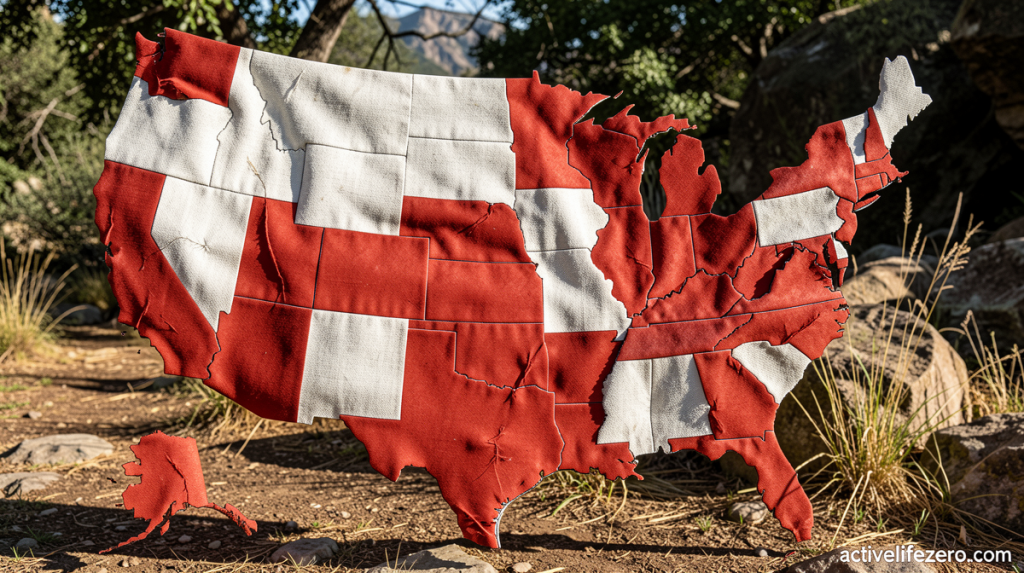
The CDC has pinpointed five states with cases directly connected to the ongoing outbreak: Indiana, Kentucky, Michigan, Ohio, and West Virginia. Michigan has experienced the most significant impact, with its Department of Health and Human Services reporting 7,171 cases during the investigation period. State officials acknowledged they cannot definitively confirm every illness stems from the same exposure source, but the concentrated surge strongly suggests a common origin.
Other affected states have reported the following numbers: Ohio with at least 1,244 cases, Indiana with 594 cases, West Virginia with 195 cases, and Kentucky with 192 cases. Reporting frequencies vary by state, with Michigan and Indiana providing daily weekday updates, West Virginia reporting twice weekly, and Ohio and Kentucky updating their figures on a weekly basis.
Overall, 41 states have documented at least one domestically acquired cyclosporiasis case this season. The CDC has noted that the actual number of affected individuals is likely higher than reported figures, and the outbreak may extend beyond the states with confirmed cases. Meanwhile, certain states like California and New Jersey have indicated their case counts align with normal seasonal patterns.
Identifying the Likely Source
Health officials in Michigan have completed over 2,000 interviews with individuals suffering from cyclosporiasis. They reported very strong evidence connecting the outbreak to a specific product: shredded iceberg lettuce supplied by Taylor Farms de Mexico. This contaminated lettuce was distributed to various Taco Bell restaurant locations.
The CDC has recommended that consumers avoid eating any shredded iceberg lettuce from Taylor Farms de Mexico served at Taco Bell establishments in the five affected states. Taco Bell announced on Friday that it has removed Taylor Farms lettuce from both its restaurants and nationwide supply chain. Additionally, supplier Taylor Fresh Foods confirmed it is withdrawing all iceberg lettuce from central Mexico from the US market.
The FDA continues working to determine whether the contaminated lettuce reached other distribution points beyond the currently identified locations. Despite some false positive test results, Taylor Farms lettuce remains the primary focus of the cyclosporiasis investigation.
Cyclosporiasis cases typically increase during spring and summer months, with the usual season spanning from early May through late August. However, current case counts are notably elevated compared to previous years, prompting continued vigilance from health authorities and consumers alike.
