
Historic West Virginia flooding prompts statewide emergency as severe storms sweep East
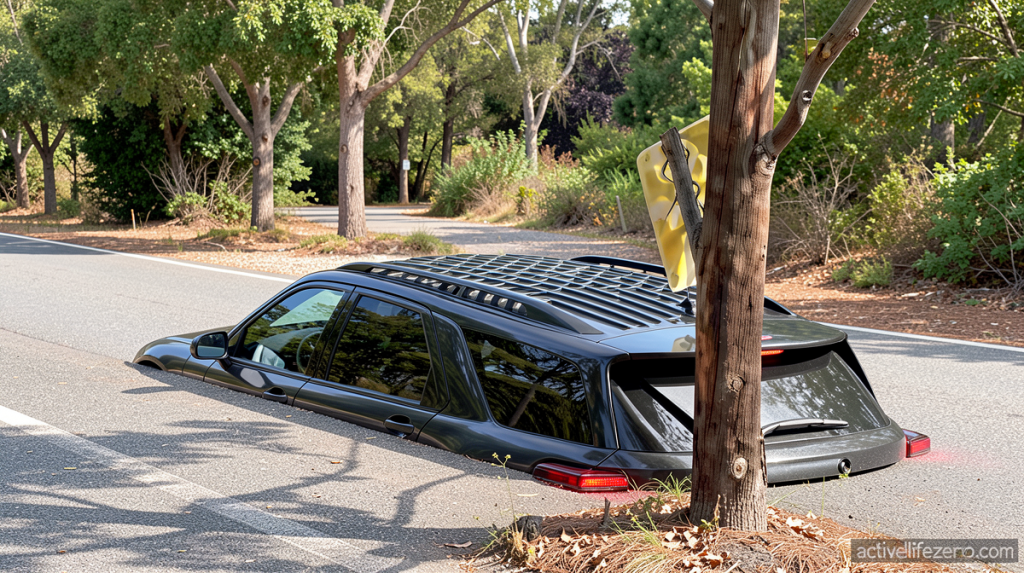
West Virginia Emergency Declared as Historic Flooding Sweeps East
Activelifezero.com – Historic West Virginia flooding prompts a statewide emergency declaration as a powerful weather system unleashed devastating conditions across multiple states on Tuesday. Central West Virginia experienced catastrophic flooding while tornadoes and damaging winds ravaged areas stretching from Kentucky to New Jersey. The severe thunderstorms moved through the Ohio Valley and Mid-Atlantic regions, leaving a trail of destruction and prompting emergency declarations across the affected territories.
Record-Breaking Flooding in West Virginia
Parts of Upshur County received more than five inches of rainfall within a six-hour window on Tuesday afternoon, creating unprecedented flooding conditions. The National Weather Service classified the situation as particularly dangerous, citing numerous swift water rescue operations and significant structural damage throughout the region. Local authorities are currently providing additional details as the situation continues to develop.
The Sand Run stream gauge near Buckhannon reached an extraordinary height of over 10.6 feet on Tuesday, completely obliterating the previous record of 8.3 feet established during the catastrophic 1985 flood event. This marks the first occasion in approximately eight decades of continuous recordkeeping that the gauge has achieved major flood stage status. The 1985 disaster claimed 47 lives and resulted in the destruction of thousands of residential properties alongside hundreds of commercial establishments in Upshur County alone.
West Virginia Governor Patrick Morrisey announced a comprehensive state of emergency covering all 55 counties on Tuesday evening. This declaration enables state agencies to coordinate resources efficiently and deploy personnel and equipment wherever they are most needed. According to the governor, Lewis, Pleasants, and Upshur counties have experienced the most severe impacts, with ongoing emergency response efforts addressing flooding and related damage throughout these regions.
Many West Virginians are helping communities deal with the aftermath as severe storms continue to move across the state, resulting in flash flooding, landslides, road closures, and other dangerous conditions.
Tornadoes and Wind Damage Extend Across Multiple States
The same atmospheric system responsible for West Virginia’s flooding generated multiple tornadoes and widespread damaging winds across northern and eastern territories. Confirmed tornadoes appeared in Kentucky, Ohio, and New Jersey on Tuesday, with one particularly notable event occurring in Clermont County, Ohio.
Denise Davis, a Clermont County resident, described her experience to CNN affiliate WKRC, explaining that she immediately brought her grandchildren to the basement upon receiving the tornado warning. She recounted how the winds intensified, lights began flickering, and then a loud bang signaled a tree falling onto her home. Fortunately, everyone had taken shelter under the basement stairs when the tree crashed down.
I cried and then the grandbabies were crying. I just don’t know what to do from here.
Two additional tornadoes were documented in northern New Jersey as supercell thunderstorms traversed the region. Power outages affected approximately 110,000 customers across storm-impacted areas by Tuesday evening, according to Poweroutage.us data.
Infrastructure Challenges in Urban Areas
Flash flood warnings were temporarily issued for New York City on Tuesday afternoon before being lifted later in the evening. The city’s aging sewer infrastructure, constructed more than a century ago, can only accommodate approximately 1.75 inches of rainfall per hour. As extreme weather events become increasingly frequent, the system has demonstrated its limitations. When heavy rainfall overwhelms the capacity in short periods, flooded streets emerge in low-lying neighborhoods, residential properties, and subway stations throughout the metropolitan area.
This comprehensive report has been updated with additional information from field correspondents and local emergency management officials.
CNN’s Gloria Pazmino, Julianna Bragg, and Danya Gainor contributed reporting to this story.
