
From ‘The Wave’ to ‘Ole, Ole, Ole’: Mexico’s World Cup soccer traditions explained
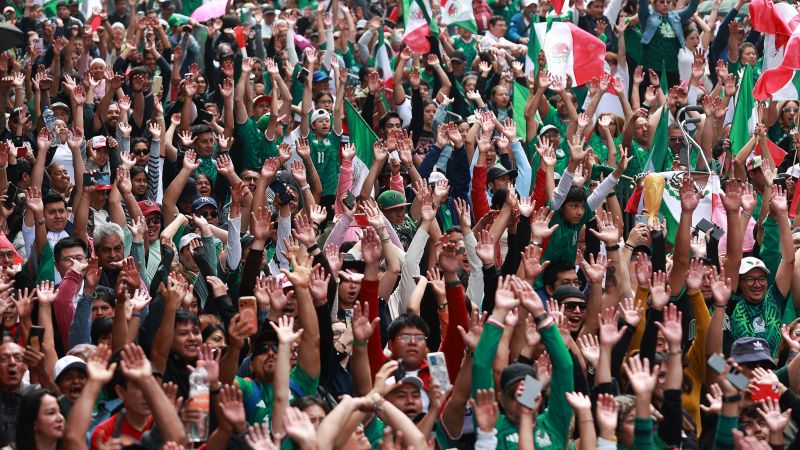
Mexico’s World Cup Soccer Traditions: From The Wave to Ole, Ole
The Heartbeat of the Stadium
From The Wave to Ole Ole Ole – As the 2026 World Cup draws near, Mexico’s soccer culture continues to captivate global audiences. From The Wave to Ole, Ole, the nation’s traditions have become a defining feature of the sport. The “Mexican Wave,” a synchronized movement of fans, is now celebrated as the largest in history, according to organizers. This ritual, alongside the powerful chants of “Ole, Ole,” underscores how deeply football is woven into Mexican identity. The energy in stadiums during the tournament will be unmatched, with fans across Mexico City and other host venues ready to showcase their passion.
The wave’s rise to prominence began in the 1986 World Cup, hosted by Mexico. Though its origins are unclear, it gained international fame during that event, as millions of spectators joined in unison. Today, as the wave reaches new heights, it remains a symbol of unity and pride. In contrast, the rhythmic chant “Ole, Ole” carries a more historical weight, echoing through stadiums since the early days of Mexican football. These traditions, while distinct, share a common thread: they reflect the nation’s vibrant spirit and love for the game.
Music, Movement, and Cultural Expression
Soccer in Mexico is a sensory overload, blending music, chants, and synchronized movements into an unforgettable spectacle. The “Mexican Wave” is just one part of this dynamic experience, but the sound of “Ole, Ole” resonates even more deeply. In cities like Toluca, fans create a lively atmosphere by dancing to traditional tunes and chanting in unison. This communal energy is a testament to the cultural significance of football, where matches become celebrations of identity and heritage.
“The wave is more than a movement—it’s a cultural expression,” said a representative from Mexico City’s tourism department, highlighting how the ritual transcends sports. This sentiment aligns with the nation’s broader approach to soccer, where chants like “Ole, Ole” are not just cheers but a form of collective storytelling.
Local vendors and fans alike emphasize the importance of these traditions. Gabriela, a vendor at Toluca’s main stadium, noted that music is the catalyst for fan engagement. Whether it’s banda, corridos, or grupera, these genres energize crowds and amplify the spirit of “Ole, Ole.” The combination of rhythm and chants creates an immersive environment, turning stadiums into arenas of shared emotion and celebration.
The Wave, Chants, and Their Global Impact
The “Mexican Wave” has become a global phenomenon, inspiring stadiums worldwide. Mexico’s success in hosting the 1986 World Cup helped solidify its status as a leader in soccer culture. While the wave’s exact origin is debated, its adoption in the U.S. and other countries shows how deeply it resonates with fans. As the 2026 tournament approaches, organizers aim to preserve these traditions while introducing measures to manage volume and ensure a seamless experience.
Meanwhile, “Ole, Ole” remains a staple of Mexican soccer. Its use dates back decades, often linked to the country’s early football history. Even as newer chants emerge, the classic “Ole, Ole” continues to symbolize the enduring connection between fans and the game. The balance between preserving these customs and adapting to modern demands will shape the next chapter of Mexico’s soccer legacy.
Together, the “Mexican Wave” and “Ole, Ole” represent the heart of Mexican soccer culture. They are more than just rituals—they are expressions of national pride and collective joy. As the World Cup returns to Mexico, the world will once again witness how the nation’s traditions elevate the sport into an art form. This blend of movement and sound ensures that Mexican stadiums remain some of the most electric in the world.
