
Former Colorado analyst pleads guilty in DNA testing scandal that forced a review of hundreds of cases
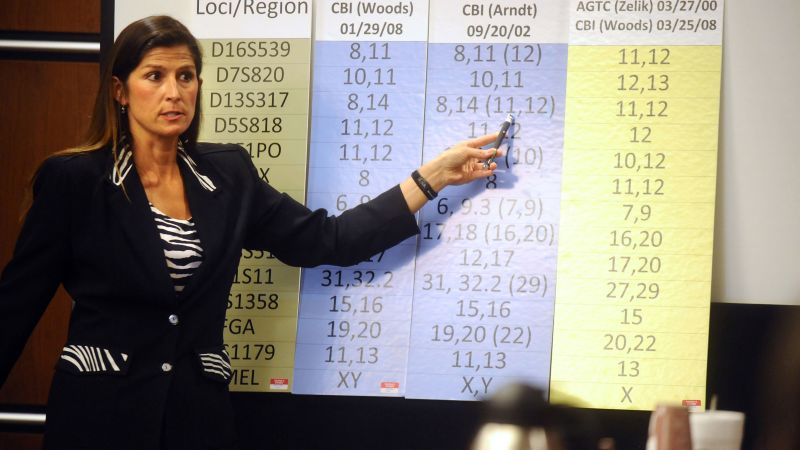
Former Colorado DNA Analyst Admits Guilt in Forensic Scandal
Former Colorado analyst pleads guilty in DNA – Yvonne “Missy” Woods, a former forensic analyst at the Colorado Bureau of Investigation (CBI), entered a guilty plea on Tuesday for four felony charges tied to allegations of data manipulation and omission during DNA testing. The accusations suggest she altered evidence to expedite results, raising serious doubts about the reliability of hundreds of criminal convictions. Her plea agreement, which includes charges of cybercrime, perjury, and attempted influence on public officials, marks a pivotal moment in the ongoing investigation into systemic flaws within the state’s forensic science practices.
The Charges and Their Significance
The four felony counts—cybercrime, perjury, attempt to influence a public servant, and forgery—highlight Woods’ role in compromising the integrity of DNA analysis. While dozens of additional charges were dismissed as part of the plea deal, the remaining accusations underscore a pattern of behavior that could have skewed critical evidence in high-profile cases. The plea agreement also allows her to avoid a potential trial, which had been scheduled for later this year. Instead, she will face a prison sentence of between 8 and 16 years when she is sentenced in September.
“This moment is not about moving on, for CBI it’s about moving forward,” said Armando Saldate, bureau director, in a Tuesday statement. “Today’s guilty plea is an important moment of accountability.”
Woods’ legal team remained silent after the hearing, declining to comment on the charges. The case has already sparked a nationwide conversation about the transparency and accuracy of forensic testing, particularly in DNA analysis. Her actions, which were alleged to include altering data to conceal tampering, deleting records that revealed testing failures, and failing to document procedures, have been described by investigators as intentional criminal fraud.
The Investigation and Its Origins
The probe into Woods’ misconduct began in September 2023, following a discovery made by an intern at the CBI. The intern noticed discrepancies in a case Woods had worked on in 2018, prompting a deeper examination of her methods. According to an arrest affidavit, Woods confessed to modifying data to complete cases more swiftly, a practice that could have compromised the evidence used to secure convictions. This admission has led to a reassessment of hundreds of cases, with prosecutors now scrutinizing the validity of results that relied on her work.
The investigation uncovered errors in cases spanning multiple crime categories, including homicide, sexual assault, and robbery. These cases, which were processed using Woods’ DNA testing procedures, have now been subjected to rigorous reevaluation. At least one murder conviction was overturned as a direct result of her alleged misconduct, a development that has intensified calls for reform within the forensic science community.
Broader Implications for the Justice System
Woods’ case has exposed vulnerabilities in how DNA evidence is handled and interpreted. The CBI’s acknowledgment of intentional fraud suggests that her actions were deliberate, not accidental, and could have affected the outcomes of dozens of trials. For instance, Michael Clark, a defendant in a 2025 murder case, was recently released from prison after his legal team argued that DNA evidence was mishandled by Woods. Prosecutors are now seeking to retry him, citing the need for a fresh review of the evidence.
Additionally, in two homicide cases, defendants received lighter sentences through plea deals rather than facing potential acquittals at trial. This decision reflects prosecutors’ concern that Woods’ involvement might have undermined the credibility of the evidence. As a result, the justice system is now grappling with the question of how many convictions could be challenged or overturned due to her alleged tampering.
Financial and Institutional Costs
The fallout from Woods’ misconduct has not only impacted legal outcomes but also strained state resources. State officials estimate that the investigation and subsequent re-evaluation of cases could cost over $11 million. This figure includes expenses related to hiring experts, conducting audits, and updating protocols to prevent similar issues in the future. The CBI has acknowledged the need for systemic changes, emphasizing its commitment to adopting best practices used in other forensic institutions across the country.
While the bureau maintains that Woods’ actions do not represent its overall standards, the incident has prompted a reevaluation of its internal procedures. The agency has pledged to improve documentation, enhance oversight, and train staff to ensure the accuracy of DNA testing. These measures aim to restore public trust in the forensic science process, which has been shaken by the revelations of misconduct.
Public Reaction and Legal Reforms
Woods’ guilty plea has sparked a wave of public concern about the reliability of forensic evidence. Advocacy groups and legal experts are calling for stricter regulations and greater transparency in DNA testing. The case has also highlighted the importance of peer review and independent verification in forensic science, as well as the need for accountability mechanisms to catch errors early.
As the CBI continues its reforms, the broader implications of Woods’ case extend beyond Colorado. Her actions have drawn attention to the national challenges faced by forensic labs, where pressure to deliver quick results can sometimes compromise scientific rigor. The incident underscores the critical role of DNA evidence in modern criminal justice and the potential consequences of human error in such high-stakes processes.
Legacy of the Scandal
Yvonne “Missy” Woods’ guilty plea has become a symbol of the systemic issues within forensic science. Her decades-long career at the CBI, which ended in 2023, has now been scrutinized under a microscope. The cases that were affected by her work include not only high-profile murders but also lesser charges that may have been influenced by flawed DNA results. The legal battles surrounding these cases are expected to continue, with courts across Colorado reviewing whether convictions should be upheld or reversed.
While Woods’ sentencing in September will determine the immediate consequences of her actions, the long-term impact of the scandal remains to be seen. The CBI’s response has been described as a turning point in its efforts to rebuild credibility. By acknowledging the fraud and implementing reforms, the agency aims to demonstrate its dedication to preventing future mistakes and ensuring justice is served through reliable evidence.
Conclusion
The guilty plea of Yvonne “Missy” Woods has brought to light the complexities of forensic science and the risks associated with human error in critical evidence analysis. Her actions, which included altering data and omitting key records, have led to a re-evaluation of hundreds of criminal cases. The CBI’s commitment to change, as outlined in its recent statement, signals a proactive approach to addressing the issues exposed by this scandal. However, the road to full accountability and reform will require ongoing efforts to ensure that DNA testing remains a cornerstone of justice rather than a potential source of wrongful convictions.
As the legal system navigates the aftermath of Woods’ misconduct, the case serves as a reminder of the importance of transparency and accuracy in forensic work. The lessons learned from this incident may influence future practices, not only in Colorado but also in other states where similar processes are in place. For now, the focus remains on the 8 to 16 years Woods will spend behind bars, a sentence that reflects the gravity of her actions and the stakes involved in the cases she helped process.
