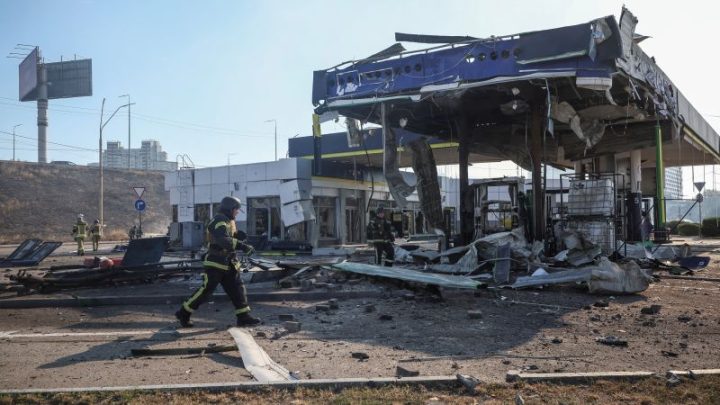
A landslide at a landfill in the capital of Guinea kills 30 people, officials say

Daftar Isi
Thirty Dead as Conakry’s Dar Es Salam Landfill Gives Way Under Torrential Rain
Activelifezero.com – Conakry, Guinea — A catastrophic collapse of one of West Africa’s most overburdened waste sites claimed at least 30 lives in the early hours of Sunday, when a wall of accumulated garbage at the Dar Es Salam landfill slid down a hillside and swallowed the informal dwellings clustered at its base. The disaster unfolded during a period of intense rainfall that began around 2 a.m., sending torrents of water cascading over the open-air dump and destabilizing the slopes that had long been propped up by decades of unmanaged refuse.
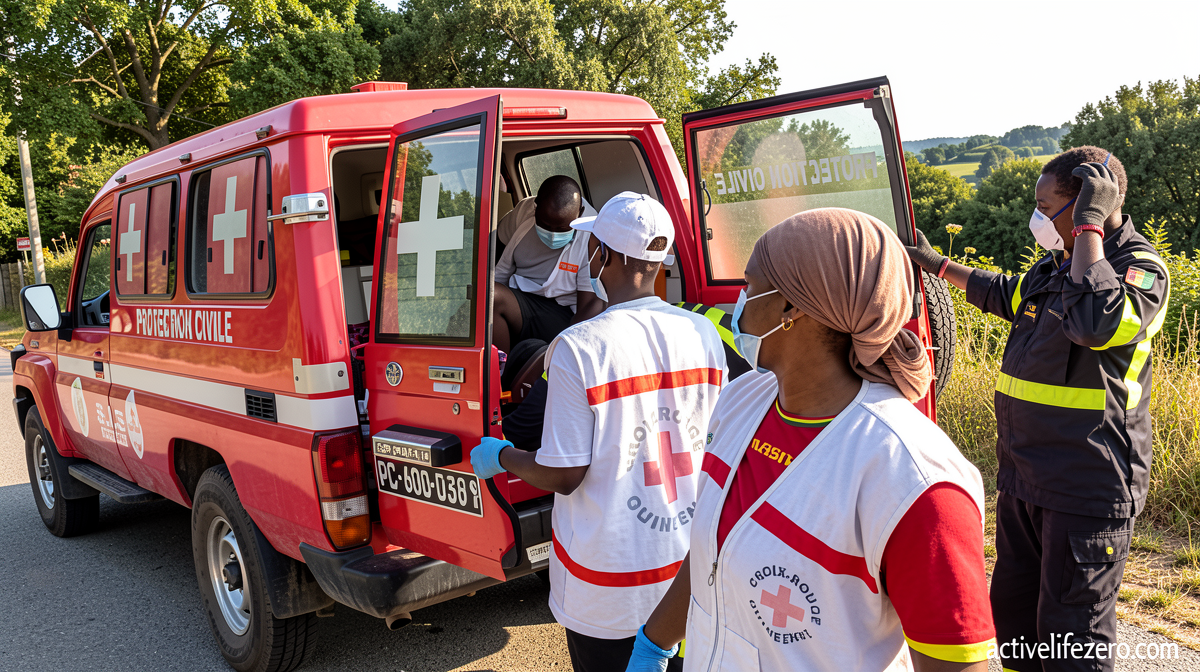
By the time rescue crews reached the debris field, six residents had sustained serious injuries and multiple structures had been flattened entirely. A search-and-rescue operation continued through the morning as teams worked to locate anyone still trapped beneath the collapsed material.
A Site Already Marked for Closure
The tragedy struck at a moment of particular irony: Dar Es Salam, the largest waste disposal area in Conakry, had been scheduled to shut down that very Sunday. Lt. Col. Baldé Mamadou Bailo, who serves as the sanitation officer attached to the military engineering battalion responsible for municipal waste operations, confirmed the closure designation. Residents living in the shadow of the dump had received formal eviction notices in advance, prompting a partial exodus from the surrounding shantytowns. Yet authorities acknowledged that a significant number of families remained in place when the slope failed, leaving them with no time to flee.
Dienabou Touré, Guinea’s minister of territorial administration and decentralization, arrived at the scene and addressed the displaced survivors directly.
“We will ensure that the remaining families are relocated elsewhere,” Touré stated.
The minister’s pledge underscores a recurring pattern in rapidly urbanizing West African capitals: informal settlements grow along the margins of industrial and waste infrastructure, often because affordable housing stock simply does not exist for the poorest residents. When those margins fail — whether through slope collapse, chemical spill, or fire — the human cost falls disproportionately on communities that had few alternatives for where to live.
Why Dar Es Salam Became a Ticking Hazard
Open-air landfills of the type operated at Dar Es Salam present well-documented engineering risks, particularly in tropical climates where seasonal downpours can saturate waste layers within hours. Without engineered liners, leachate collection systems, or periodic compaction and capping, the material accumulates in loose, waterlogged strata that behave less like solid ground and more like a slow-moving slurry. Once the water table rises sharply — as it did during the Sunday storm — the shear strength of the slope drops precipitously, and failure can propagate across hundreds of metres in minutes.
Conakry’s population growth over the past two decades has outpaced the city’s capacity to plan and fund sanitary infrastructure. The landfill’s designation as the city’s primary waste sink meant that daily truck traffic, informal scavenging activity, and adjacent habitation created a dense, interlocking web of human presence right at the toe of the slope. Closure, while overdue, was intended to break that cycle; the timing of the collapse rendered the plan moot for those still inside the danger zone.
A Resource-Rich Nation, a Poverty-Strapped Capital
The human toll of Sunday’s landslide lands in sharp contrast against Guinea’s extraordinary mineral endowment. The country holds the world’s largest known reserves of bauxite, the primary ore of aluminium, alongside substantial deposits of iron ore, gold, diamonds, and a range of industrial minerals. Revenue from these commodities has long anchored the national economy, yet the distribution of that wealth has not translated into adequate urban services for the majority of residents.
The World Bank places Guinea’s national poverty rate at 43.7 percent, meaning nearly half the population lives below the country’s own poverty threshold. In Conakry specifically, that statistic manifests as dense informal housing along riverbanks, hillside slopes, and — as Sunday demonstrated — the perimeters of waste facilities. The gap between extractive wealth and basic municipal infrastructure remains one of the defining tensions of Guinean public policy.
What Comes Next
With the landfill now closed and the slope rendered unstable, municipal authorities face the immediate task of clearing debris, confirming the final death toll, and relocating the families Touré promised to move. Longer-term questions loom: where will Conakry’s daily waste volume be processed once Dar Es Salam is decommissioned? What engineering controls — retaining structures, drainage channels, slope monitoring — will be required before any future site nears capacity? And how will the city address the informal settlements that have grown up around its waste infrastructure over years of unmet housing demand?
For the families buried beneath the Dar Es Salam slope on a Sunday morning, those questions arrive too late. Thirty lives were lost to a failure that was, in many respects, foreseeable — a reminder that in cities where planning lags behind growth, the ground itself can become the most dangerous structure of all.
Related Reading
Frequently Asked Questions
What is A landslide at a landfill?
A landslide at a landfill is the main topic of this guide. The article explains the context, practical details, and next steps readers should understand.
Why does A landslide at a landfill matter?
A landslide at a landfill matters because readers are looking for a useful answer, not just a short summary. Good content should match search intent and help them decide what to do next.