Why a 2,000-year-old low-fat, high-protein cheese is taking over French dairy aisles

Why a 2,000-Year-Old Low-Fat, High-Protein Cheese Is Taking Over French Aisles
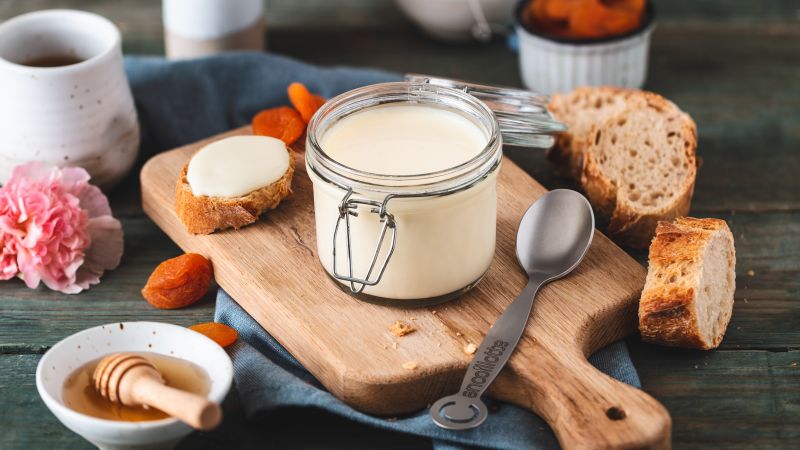
Why a 2 000 year old low – Why a 2,000-year-old low-fat, high-protein cheese is becoming a sensation in France’s dairy aisles. Cancoillotte, once an overlooked regional specialty, has recently surged in popularity, driven by a wave of social media attention that highlights its unique qualities. This soft, creamy cheese, known for its mild flavor and nutritional benefits, is now challenging traditional dairy norms and redefining consumer choices in France. Its rise reflects a growing demand for healthier options that don’t compromise on taste or versatility.
A Historical Delicacy Reborn
Cancoillotte, with origins tracing back to ancient Roman times, has long been a staple in the Franche-Comté region. Made from skimmed cow’s milk, it has been produced in small batches for centuries, often reserved for local use rather than mass distribution. Yet, its historical significance and nutritional profile have recently caught the eye of a broader audience. Influencers like Johan Papz, who discovered the cheese while discussing fitness, have played a pivotal role in reshaping its image. His TikTok video, which has amassed over 2.2 million views, showcased cancoillotte’s ability to elevate simple dishes like roasted potatoes, proving its appeal beyond traditional settings.
The Science Behind Its Appeal
What makes cancoillotte stand out is its balanced nutritional composition. Unlike many classic French cheeses, such as Comté or Brie, which can contain 15–30 grams of fat per 100 grams, cancoillotte offers a lighter alternative with just 8 grams of fat and 16 grams of protein. This 2,000-year-old cheese has become a favorite among health-conscious consumers, who seek to enjoy dairy without excessive calories. Its soft texture and mild flavor also make it adaptable to both cold and warm preparations, from spreads to melted accompaniments, further broadening its appeal in modern culinary trends.
Julie Morin, president of the Association for the Promotion of Cancoillotte, emphasizes the cheese’s role in bridging tradition and innovation. “The harder the cheese, the more fat it holds,” she explains, noting that cancoillotte’s creaminess and ease of use make it a standout choice. Morin, who leads Fromagerie Poitrey-La Belle Etoile, one of the key producers, credits social media for transforming the cheese’s fortunes. “We didn’t expect such a reaction from online platforms,” she says, highlighting how the 2,000-year-old product has found a new audience through digital advocacy.
The rise of cancoillotte has sparked a ripple effect across French food culture. In Paris, bakeries have begun incorporating it into innovative dishes like the croissant-cookie hybrid, the crookie, and even pairing it with El Mordjene, an Algerian hazelnut spread. These examples underscore a cultural shift toward reimagining traditional foods through modern lenses. As demand grows, Morin believes the cheese’s legacy as a 2,000-year-old staple is being rediscovered, proving that age and health-conscious trends can coexist in the culinary world.
A Global Trend with French Roots
The popularity of cancoillotte isn’t confined to France. As health trends spread worldwide, its reputation as a 2,000-year-old, low-fat dairy product has gained traction beyond borders. However, its success in the French market remains a key focal point. The cheese’s unique ability to satisfy cravings while offering nutritional benefits has made it a symbol of the evolving relationship between food and health. From fitness enthusiasts to gourmet chefs, its adaptability has allowed it to appeal to a diverse range of consumers, solidifying its place in contemporary French cuisine.
While cancoillotte has always been a part of France’s dairy heritage, its recent mainstream appeal is a testament to how digital platforms can revitalize traditional foods. The cheese’s journey from a regional curiosity to a national favorite mirrors broader shifts in consumer behavior, where health, taste, and innovation intersect. As its presence grows in supermarkets and restaurants, the 2,000-year-old cheese continues to prove that old-world craftsmanship can thrive in the modern era, one creamy slice at a time.