
The Seine used to be a toxic mess. Now it’s the hottest new swim spot in Paris
The Seine Used to Be a Toxic Mess. Now It’s the Hottest New Swim Spot in Paris
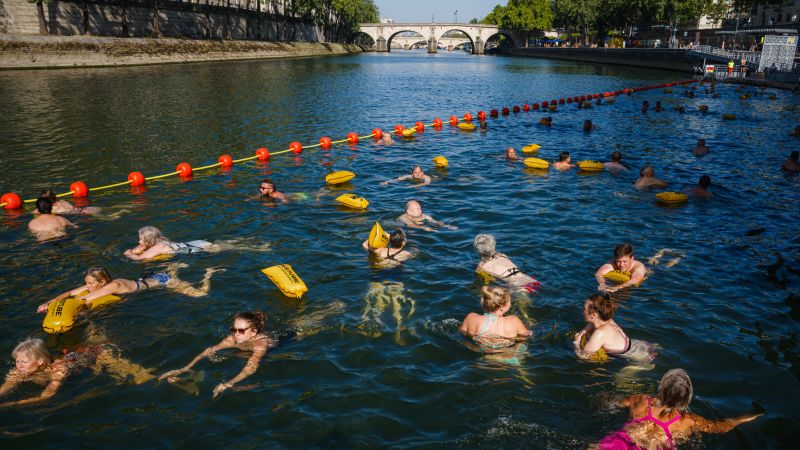
The Seine used to be a toxic – Parisians and travelers are embracing a once-unthinkable activity this summer: swimming in the Seine. As the city grapples with extreme heat, with temperatures reaching 104 degrees Fahrenheit (40 Celsius) in late June, the opening of three designated swim areas along the river has offered a refreshing escape. This marks the second consecutive summer the Seine has been reopened for public swimming, a shift that has transformed the once-polluted waterway into a symbol of environmental recovery and urban renewal.
A Centuries-Old Tradition Reborn
Swimming in the Seine has deep roots in Parisian history, dating back to the 17th century when the practice was a casual, nude ritual on the river’s sloped banks. These early bathers were met with disapproval in 1716, when a public decency ordinance banned the activity. However, the ban was soon replaced by more structured floating baths in the 18th century, which featured canvas-covered vessels with internal ladders for safe access to the water. By the 19th century, the act had evolved into a social spectacle, with lavish establishments along the riverbanks offering dining and swimming lessons. One such venue, the Piscine Deligny, gained fame as a fashionable spot and even hosted events for the 1900 Paris Olympics.
Despite this cultural significance, the Seine’s reputation as a swimming spot took a dramatic turn in the early 20th century. A surge in drownings and accidents during the 1920s led to a complete ban on river swimming, which lasted for decades. The Deligny, a key hub for the tradition, adapted by converting into a floating, filtered pool separate from the river. Yet, it mysteriously sank in 1993, leaving a gap in the city’s swimming culture. Unauthorized bathing continued, especially in summer, and the long-standing 1905 race persisted as a defiant gesture against the rules.
The Pollution Crisis and a Political Pledge
The Seine’s decline into a toxic state was not just a result of accidents but also of industrial and urban pollution. By the 1970s, the river had become a stark example of environmental neglect, with over half of the region’s wastewater dumped untreated into its waters. The ecosystem suffered severely, and by 1970, the river was nearly devoid of life, supporting only three resilient fish species. The crisis peaked in 2013 when the Paris triathlon was canceled due to unsafe water conditions, underscoring the urgency of change.
The turning point came in the 1980s with a bold political promise. In 1988, Paris Mayor Jacques Chirac, campaigning for reelection, vowed to swim in the Seine within three years to prove it was clean. He reiterated the pledge on television in 1990, but the promise remained unfulfilled, becoming a lasting joke. For years, the Seine remained a toxic environment, until the city launched a massive cleanup effort in 2016. This initiative, tied to the 2024 Olympic bid, cost over a billion euros and involved a groundbreaking engineering project to modernize the sewer system.
The centerpiece of this overhaul is a cavernous underground basin near Gare d’Austerlitz. This structure, a massive concrete cylinder 50 meters wide and 30 meters deep, can hold 50,000 cubic meters of stormwater—equivalent to 20 Olympic-sized pools. Before this project, Paris’s 19th-century sewer network combined rainwater and sewage, sending overflow directly into the Seine during heavy rains. Now, excess water is diverted to the Austerlitz basin, where it is stored and processed, significantly improving the river’s water quality.
From Public Joke to Public Ritual
The revival of the Seine as a swimming destination has sparked a new era of enthusiasm. The three open swim zones, launched on Saturday, coincide with the 250th anniversary of Franco-American friendship, adding symbolic weight to the event. For Americans visiting Paris, the act of plunging into the Seine is a unique way to celebrate the nation’s birthday, blending history with a modern, accessible experience.
Though the tradition is now seen as a novelty, its revival reflects a broader cultural shift. The Seine’s transformation is not just about water quality but also about reclaiming a shared heritage. The river, once a symbol of neglect, is now a vibrant space for recreation, with swimmers taking to its currents under strict safety guidelines. This revival has also reignited debates about the city’s relationship with its waterways, highlighting both the challenges of pollution and the potential for ecological progress.
“She had a vision of herself living in Paris. Now this American woman calls it home,” said a local resident, encapsulating the city’s evolving identity. For many, the Seine’s return to the spotlight represents more than just a physical activity—it’s a testament to Paris’s resilience and its ability to adapt to the changing times.
The 2016 project marked a pivotal moment, as the city finally fulfilled Chirac’s once-mocked promise. Engineers and planners worked tirelessly to connect thousands of riverside homes to the sewer network, ensuring that contaminants no longer directly entered the Seine. This systemic change, combined with ongoing water quality monitoring, has allowed the river to regain its former vitality. While the process has been gradual, the results are undeniable: the Seine is now not only safe but also a popular destination for those seeking a cool summer respite.
As the swim zones become a staple of Parisian summer, the city’s history with the Seine serves as a cautionary tale and an inspiration. From its days as a social event to its decline as a polluted waterway, the Seine’s journey mirrors broader environmental and cultural transformations. Today, the river’s reopening is a celebration of progress, with citizens and visitors alike embracing the chance to swim in a space that once seemed uninviting. The Seine’s revival is a reminder that even the most troubled waters can find a way to flow again—provided the right measures are taken.
The renewed popularity of the Seine as a swimming spot also highlights the importance of public spaces in urban life. What was once a site of controversy is now a symbol of renewal, inviting people to reconnect with their city’s natural elements. As Paris prepares for the upcoming summer, the Seine’s role as a cultural and environmental landmark is more prominent than ever. Whether through a dip in the water or a stroll along its banks, the river is becoming a central part of the city’s identity, proving that history and innovation can coexist in unexpected ways.
