
Flight diverted because of power bank charging device in hold luggage
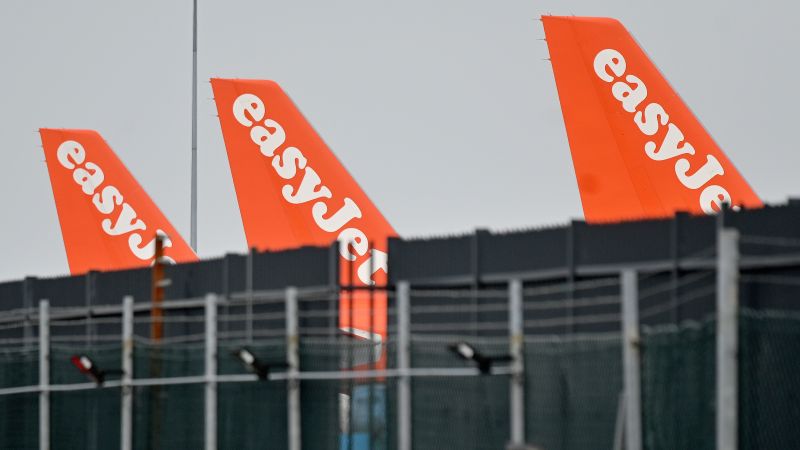
Flight Diverted Due to Power Bank in Hold Luggage
Flight diverted because of power bank – A sudden detour occurred on an EasyJet flight traveling from Hurghada to London after a passenger alerted the crew about a power bank charging device in their hold luggage. According to CNN, the airline confirmed the incident involved flight EZY2618, which departed from Hurghada, a prominent Red Sea resort in Egypt, on Tuesday. FlightAware records indicate the aircraft was operating at an altitude of 10,980 meters (approximately 36,000 feet) when, three and a half hours into the journey, it diverted to Rome. The plane eventually landed at Rome Fiumicino Airport at 11:33 p.m., leaving passengers stranded for several hours.
Safety Precautions and Airline Responses
EasyJet stated that the captain made the decision to alter course after learning of the power bank charging another device in the passenger’s baggage. The airline emphasized its commitment to safety, noting that the diversion was a precautionary measure aligned with established regulations. “The safety of its customers and crew is easyJet’s highest priority,” the statement reiterated, adding that the airline strictly follows manufacturer guidelines for all operations.
“We are sorry for any inconvenience caused by the diversion and subsequent delay,” EasyJet said in a statement provided to CNN.
Passengers were accommodated with hotel stays and meals during the overnight disruption, with the final leg of their journey to London Luton Airport resuming on Wednesday morning. While the exact cause of the diversion remains under investigation, the incident highlights the growing concern surrounding lithium-ion batteries in air travel.
The Rise of Power Bank Restrictions
The use of power banks on flights has become a contentious issue, prompting airlines to implement stricter rules. The International Civil Aviation Organization (ICAO) introduced new regulations in March, limiting passengers to two power banks per flight and prohibiting recharging during airborne travel. This policy follows a series of incidents involving lithium-ion batteries, which are commonly found in consumer electronics like smartphones and laptops.
South Korea took a decisive stance in early 2025, banning power banks and e-cigarettes from overhead storage on all domestic carriers. The rule was enacted after a fire on an Air Busan aircraft in January 2025 injured three individuals. The country’s transport ministry cited the power bank as a potential source of the blaze, underscoring the risks associated with these devices.
Other airlines have also adopted similar measures. Singapore Airlines, for instance, banned the use of power banks to charge devices entirely during flights. Southwest Airlines, meanwhile, required passengers to keep power banks visible while charging, as reported by CNN in May 2025. These actions reflect a global trend toward minimizing the dangers of unattended battery charging.
Understanding the Risks of Lithium-Ion Batteries
Lithium-ion batteries, while efficient and widely used, pose specific hazards when mishandled. These batteries contain flammable chemicals that can ignite if overcharged, exposed to high temperatures, or damaged. A phenomenon known as thermal runaway—a chain reaction causing rapid heat buildup—can lead to smoke, fire, or even explosions. The Federal Aviation Administration (FAA) reported 563 incidents linked to lithium-ion batteries between March 2006 and February 2026, with 230 of these cases involving power bank packs.
The FAA highlighted that these incidents often occur due to improper storage or charging conditions. For example, leaving a power bank in the hold luggage of an aircraft could allow it to overheat without immediate intervention. This risk is compounded by the fact that lithium-ion batteries are lightweight and compact, making them easy to carry but difficult to monitor during flights.
While the ICAO regulations aim to address these risks, they also raise questions about the balance between convenience and safety. Passengers frequently rely on power banks to stay connected during long-haul journeys, yet the potential for a malfunction remains a critical factor. The ease of recharging a power bank in-flight has been identified as a key contributor to the problem, prompting airlines to enforce visibility rules or limit the number of devices allowed onboard.
Global Implications and Passenger Adaptation
The power bank ban has forced travelers to adapt their routines, often leading to the purchase of additional batteries or the use of onboard charging ports. However, the strictest rules apply to devices left unattended in the cargo hold, where they are less likely to be monitored. This has led to increased scrutiny of how airlines manage these items during transit.
EasyJet’s incident serves as a case study for the broader implications of these safety measures. While the diversion was brief, it disrupted travel plans and underscored the need for passenger awareness. Airlines now face the challenge of educating travelers about the risks and ensuring compliance without causing unnecessary inconvenience. This includes clear signage, staff training, and pre-flight checks for power banks.
As the aviation industry continues to refine its safety protocols, the focus remains on preventing incidents that could escalate into emergencies. The ICAO’s updated guidelines are part of an ongoing effort to standardize practices across international carriers, reducing the likelihood of similar diversions in the future. Yet, the question remains: how effective are these measures in addressing the root causes of battery-related hazards?
In the wake of the Rome incident, EasyJet reiterated its dedication to passenger safety, offering compensations for the disruption. This approach aligns with how other airlines have handled similar situations, prioritizing quick responses to minimize risks. The FAA data, however, reveals that while such incidents are relatively rare, their potential impact is significant, making proactive measures essential.
The power bank controversy is a microcosm of the challenges faced by the aviation sector in managing modern technology. As lithium-ion batteries continue to power everything from phones to electric vehicles, their safety in air travel remains a focal point. The ICAO’s regulations, combined with individual airline policies, aim to create a layered defense against accidents, ensuring that passengers can travel with confidence while mitigating the dangers of overcharged or damaged batteries.
Passengers are now advised to check their belongings carefully before boarding, especially when carrying power banks in hold luggage. The incident in Rome, though isolated, reminds travelers of the importance of adhering to safety guidelines. As the industry evolves, the balance between innovation and safety will remain a critical consideration for both airlines and passengers.
