
Meta CEO Zuckerberg warns US shouldn’t ban Chinese AI models
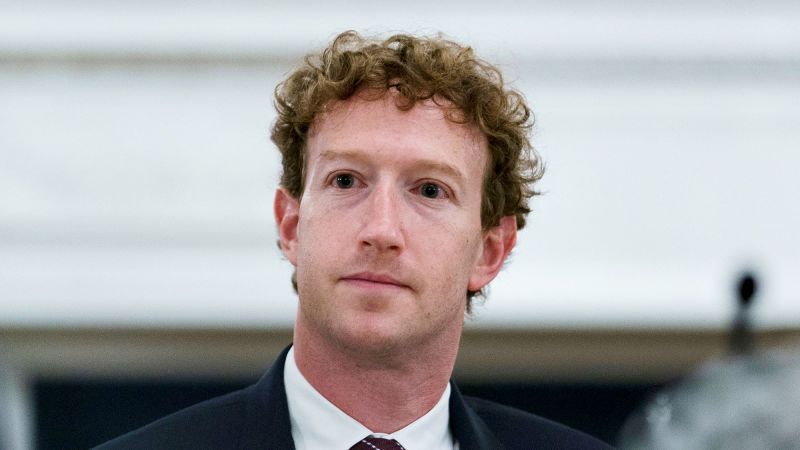
Meta CEO Zuckerberg warns US shouldn’t ban Chinese AI models amid growing tech rivalry
Activelifezero.com – Meta CEO Zuckerberg warns US shouldn’t block Chinese artificial intelligence in an attempt to gain the upper hand in the race to develop the groundbreaking technology, Meta chief executive Mark Zuckerberg has told the Financial Times. Zuckerberg warned that a US ban on Chinese AI models would not be “an effective solution” and suggested that US companies should instead “systematically” identify bottlenecks and roadblocks in order to better compete with Chinese AI firms. His comments in an interview with the FT published Wednesday come as an intense debate rages in Washington over how the US should regulate the fast-developing technology and respond to increasingly sophisticated Chinese competition.
Why a blanket ban could backfire
The Meta CEO’s perspective offers a nuanced view of the ongoing technological standoff between the two superpowers. Rather than implementing sweeping restrictions that could isolate American innovation, Zuckerberg advocates for a more measured approach. He believes that identifying specific challenges within the US ecosystem will prove more beneficial than simply cutting off access to foreign technology. This strategy acknowledges that Chinese AI models bring value to the global market and that complete decoupling might hinder American progress in critical areas.
Zuckerberg’s remarks reflect broader concerns among technology leaders about the potential unintended consequences of aggressive protectionist policies. By maintaining connections with international AI developments, US companies can continue to benefit from collaborative innovation while addressing legitimate security and intellectual property concerns through targeted measures.
Robot imports and IP theft concerns
Some senior Trump administration officials have claimed there is evidence that China’s Moonshot AI covertly used US rivals to train its latest model Kimi K3. Moonshot has denied the allegations. US Treasury Secretary Scott Bessent warned last week that “sanctions” could be considered if Chinese labs “cross the line into IP theft.” It comes after the US government announced on Tuesday it would ban new humanoid and quadruped robot imports from foreign manufacturers, warning that they pose “unacceptable risks” to US national security.
The new US restrictions, which exclude models already in use, are the latest attempt by Washington to bolster and safeguard its domestic industries and supply chain, amid an intensifying rivalry with China to dominate advanced technology and artificial intelligence.
The robot import ban also includes power converters used to connect renewable energy infrastructure and batteries to the power grid. This comprehensive approach demonstrates how interconnected global supply chains have become and why policymakers must carefully consider the ripple effects of trade restrictions. The timing of these announcements suggests coordinated efforts to address multiple dimensions of the US-China technology competition simultaneously.
Industry analysts note that the distinction between new imports and existing models is crucial for businesses that have already invested in foreign technology. This phased approach allows companies time to adapt their operations while gradually reducing dependence on potentially risky supply chains. The inclusion of power converters highlights how AI infrastructure extends beyond software into physical hardware components essential for energy management.
Frequently Asked Questions
What did Mark Zuckerberg specifically say about Chinese AI models?
Meta CEO Zuckerberg warned US shouldn’t implement a blanket ban on Chinese AI models, calling such restrictions ineffective. He recommended that American companies systematically identify their own bottlenecks rather than simply excluding foreign competitors from the market.
Which Chinese AI model is at the center of the IP theft allegations?
Moonshot AI’s Kimi K3 model has been at the center of claims that it used US rivals for training. The company has denied these allegations, and the US Treasury is considering potential sanctions if further evidence emerges.
What types of robots are affected by the new US import ban?
The ban covers both humanoid robots and quadruped robots being imported from foreign manufacturers. These restrictions aim to address national security concerns while allowing existing models already in use to continue operating.
How does this relate to renewable energy infrastructure?
The import restrictions also encompass power converters used to connect renewable energy infrastructure and batteries to the power grid. This demonstrates the broad scope of US efforts to secure critical technology components.
For more updates on technology policy, visit CNN’s technology section where this story was originally published. CNN’s John Liu contributed reporting to this article.
