
America partied hard this weekend. In Brooklyn, Puerto Rican joy was out in full force
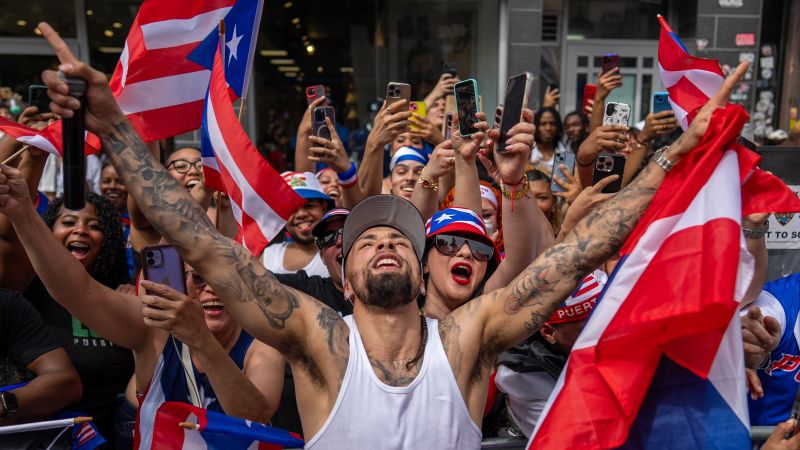
America partied hard this weekend. In Brooklyn, Puerto Rican joy was out in full force
America partied hard this weekend In Brooklyn – Across the nation, festivities marked the 250th summer of American independence, but in Brooklyn’s Bushwick neighborhood, the celebration took on a uniquely vibrant tone. For a mile of the area’s streets, the air buzzed with the rhythm of reggaeton and salsa, as Puerto Rican culture thrived in a kaleidoscope of colors, sounds, and shared traditions. This weekend’s event, the Puerto Rican Day Parade, became a showcase of pride, uniting generations in a joyous display of heritage and identity.
A Tapestry of Sound and Flavor
At the heart of the parade, the streets transformed into a lively stage where music and community collided. The crowd was treated to an eclectic mix of genres, from the deep grooves of Tego Calderón and Plan B’s reggaeton anthems to the soulful salsa of Héctor Lavoe and El Gran Combo. The pulsating energy of live horns and drums created an atmosphere that was both nostalgic and forward-thinking, bridging the past with the present in a way that felt deeply personal.
As the festivities unfolded, the scent of tropical sweetness filled the air. Vendors offered piragua snow cones and ice cream in flavors like watermelon and coconut, providing a refreshing respite from the sweltering summer heat. Elders lounged in personal lawn chairs, sipping drinks and soaking in the celebration, while younger attendees moved with infectious energy, their laughter and dance echoing through the streets.
Amid the chaos, unexpected moments of pageantry added to the magic. Mayor Zohran Mamdani and New York Knicks star Jose Alvarado made surprise appearances, their presence amplifying the sense of unity and joy. The parade, a symbol of cultural resilience, drew millions of participants and spectators, each contributing to a collective expression of pride that transcended individual stories.
Cultural Pride and Community Connection
The event’s significance lay not only in its scale but in its ability to bring people together. For many, it was more than a parade—it was a reminder of roots, a celebration of survival, and a testament to the enduring influence of Puerto Rican heritage in the United States. “There are more Puerto Ricans in the US than on the island, and now that I’ve lived here for 13 years, the longing for home feels stronger,” shared Monica Santos Gil, founder of Santos by Monica, a handbag brand rooted in New York’s cultural landscape. “The parade is a way to reconnect with that sense of belonging.”
Edwin Reyes, a Bronx-based fashion designer, echoed this sentiment. “The Puerto Rican diaspora here is shaped by both our island identity and the energy of the city,” he explained. “The parade is a moment where those two worlds collide, creating something that’s uniquely ours.” For Reyes, the event was a celebration of cultural duality—a way to honor the past while embracing the present.
A Contrast of Celebrations
While Brooklyn’s streets pulsed with the spirit of the Puerto Rican community, 200 miles away, the White House lawn hosted a different kind of spectacle. As part of the semiquincentennial celebrations, UFC fighters engaged in dramatic bouts, their performances framed as a tribute to American masculinity. President Donald Trump’s 80th birthday added a layer of grandeur to the event, which combined official commemorations with the raw intensity of sports and spectacle.
Meanwhile, the United States asserted its global presence by co-hosting the World Cup. On Friday, the nation opened with a commanding 4-1 victory over Paraguay, a win that resonated far beyond the stadium. Back in New York, the triumph of the New York Knicks on Saturday night infused the Puerto Rican Day Parade with an extra surge of exhilaration, turning the multicultural gathering into a spontaneous celebration of shared success.
Fashion as a Cultural Statement
For the parade, the streets of Bushwick became a runway for Puerto Rican style, which defies easy categorization. “Americans often wear their pride on their sleeves,” said Santos Gil, noting the prevalence of flags and symbols in everyday clothing and accessories. “It’s a bold statement, fueled by the desire to feel connected to the island.”
Yet the fashion of the diaspora carries its own distinct character. In contrast to the laid-back aesthetics of Puerto Rico, where lighter fabrics and natural hues reflect the island’s climate, the urban setting of New York inspires a more dynamic, edgy look. This was evident in the parade’s attendees, who donned vintage graphic tees, cornflower-blue basketball shorts, and special-edition Nike sneakers, all adorned with Puerto Rican iconography. Flags were reimagined as headbands, crop tops, and even earrings, showcasing the creativity and adaptability of the community’s cultural expression.
Edwin Reyes’ brand, which designs annual parade-ready outfits, exemplifies this blend of heritage and modernity. His 2025 collection featured a striking red, white, and blue ruffled organza maxi dress, a nod to the island’s flag and the vibrancy of the celebration. “Fashion here is about merging two worlds—the island’s traditions and the city’s energy,” Reyes noted. “It’s a visual representation of who we are as a community.”
Legacy and Future
Since its inception in 1958, the Puerto Rican Day Parade has evolved from a modest gathering in Spanish Harlem to a citywide event that now spans multiple neighborhoods. The parade’s current route down Manhattan’s Fifth Avenue highlights its enduring relevance, yet the spirit of the celebration remains rooted in its origins. Bushwick, with its youthful and spirited crowd, offered a different flavor of festivity, one that embraced the city’s rhythm and the community’s creative edge.
As the parade’s legacy continues, it serves as a powerful reminder of the cultural strength that binds Puerto Ricans across the diaspora. Whether through the rhythmic beats of salsa, the bold colors of fashion, or the shared laughter of a community coming together, the event remains a cornerstone of identity. For those who may feel disconnected from the island’s culture, the parade offers a renewed sense of belonging, a chance to reconnect with something greater than themselves.
Amid the noise and color, the parade’s essence was clear: it is not just a celebration of the past, but a living, breathing testament to the resilience and creativity of Puerto Ricans in the United States. As the nation marked its 250th anniversary, the parade in Brooklyn stood as a vibrant counterpoint, proving that cultural pride can thrive even in the heart of a bustling metropolis. The combination of music, fashion, and community spirit ensured that the event was more than a spectacle—it was a declaration of identity, a reminder of shared history, and a promise of continued legacy.
