Tony Romo was brutally honest about his arrest and revealed a painful truth about life after football

Tony Romo Was Brutally Honest About Life After Football
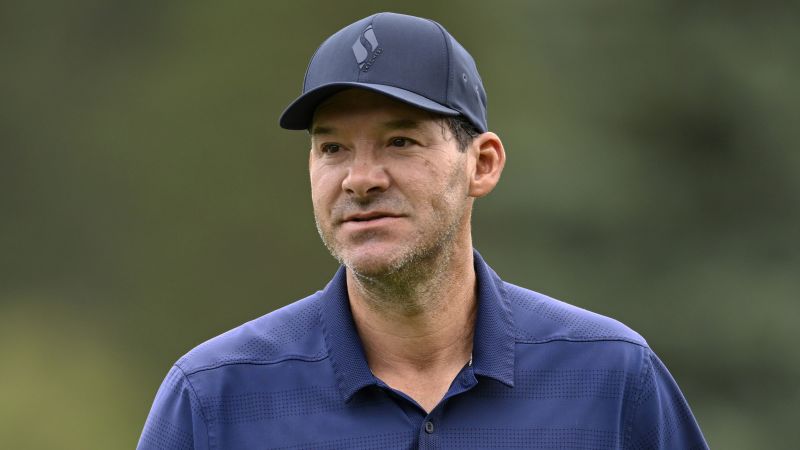
Activelifezero.com – Tony Romo was brutally honest about what happens when the stadium lights go out for good. The former Dallas Cowboys quarterback and current CBS NFL analyst was taken into custody in Wisconsin in August on suspicion of driving while intoxicated, shattering the polished, affable persona he had cultivated over years of broadcast work. His written statement afterward traced a painful arc from back surgeries to chronic suffering to medication dependence to impaired judgment behind the wheel, forcing a conversation former players have long struggled to have in public.
A Statement That Broke the Silence
Romo announced a no-contest plea to a civil offense for operating while intoxicated. Rather than issuing a brief, sanitized apology, he laid bare the causal chain: surgical intervention ended his career earlier than expected, leaving constant debilitating pain. That pain drove him toward pain medication, and his attempts to come off those medications pushed him toward alcohol.
“Multiple back surgeries ended my career earlier than I expected and left me with constant, debilitating pain. That pain led to a dependence on pain medication, and my efforts to get off those medications led to an over-reliance on alcohol.”
The pattern is not unique to one athlete. It recurs among players whose careers demanded repeated high-impact collisions or repetitive mechanical stress. The body absorbs years of trauma; the career ends; the pain does not. What follows is often a private negotiation with pharmaceuticals and sometimes alcohol, as former players attempt to function in daily life without the adrenaline and structure that competition once provided.
The Milwaukee Arrest and Its Aftermath
Bodycam footage released by the Milwaukee County Sheriff’s Office captured the moment of detention and circulated widely. The images carried a weight of contradiction: a man who had spent two decades as a symbol of composure and discipline, now being led away by uniformed officers. Romo’s legal representatives were contacted for additional comment following the release of the footage.
By his own account, the weeks following the August arrest were marked by introspection and accountability rather than public retreat. He described the period as both painful and clarifying, a time in which he felt compelled to face his errors without deflection.
“The past month has been difficult, but it has also been personally significant. It has required me to confront and own my mistakes fully—to the Lord, to myself, to my family, and now to the public.”
Football as a Framework for Recovery
Tony Romo was brutally honest in turning to the very sport that had broken his body as a source of guidance for rebuilding his life. He credited the game with instilling values he now intends to apply outside the stadium.
“Football taught me the power of relationships, the strength of a team and the toughness to face failure head-on with honesty, resilience and the determination to do better.”
He extended that philosophy to his role as a father of three young sons, framing accountability not as punishment but as the prerequisite for growth.
“As I have taught my three young sons: when you fall short, you stand up and take full responsibility. That is an important first step. The harder and more important step is examining the path that brought you here and making the changes necessary to move forward.”
“That path requires honesty. None of this is an excuse. These are my failures, and I take responsibility for them.”
A Parallel in Golf
The situation does not exist in isolation. Just days after the statement, Tiger Woods was scheduled to return to court to face criminal charges stemming from an earlier car crash that year. Police at the scene reported that Woods appeared inebriated and located prescription painkillers in his pocket. Following the arrest, Woods traveled to Switzerland for several weeks of treatment. Like Romo, Woods has endured a career defined by chronic pain—his back and knees progressively damaged by the violent rotational forces of competitive golf. Multiple prior crashes have been linked to the same cycle of pain management and impaired judgment.
Frequently Asked Questions
What charge did Romo plead to? A no-contest plea to a civil offense for operating while intoxicated in Milwaukee County, Wisconsin.
When did the arrest occur? August 2026, according to the timeline described in his written statement.
What broadcasting role does Romo hold? He serves as a lead analyst on CBS’s NFL coverage.
How many children does Romo have? Three young sons, whom he referenced directly in his statement about accountability and responsibility.
What caused the initial pain that led to medication dependence? Multiple back surgeries that ended his playing career earlier than expected, leaving him with constant, debilitating pain.