This Olympian battled porn addiction for years. He now wants to help others suffering in silence

Daftar Isi
From Olympic Pool to Silent Struggle: A British Diver’s Long Road Out of Porn Addiction
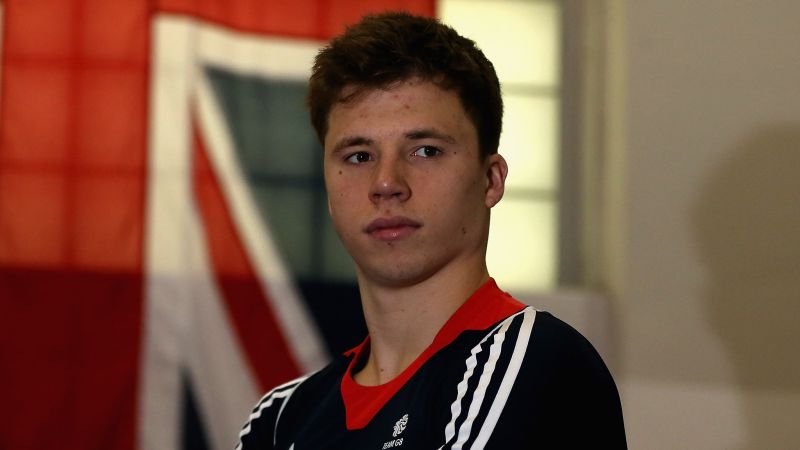
Activelifezero.com – The intersection of elite sport and compulsive digital habits rarely makes headlines, yet it shapes the private lives of countless athletes who train under relentless schedules while battling urges no one sees. Freddie Woodward, a former member of Team GB’s diving squad, has now stepped forward to tell his own story — one that spans more than a decade of quiet struggle, a public humiliation that nearly broke him, and a gradual reclamation of control over his daily life.
A Talent Plucked from the Schoolyard
Woodward’s path into competitive diving was not a choice he made as a child. Coaches identified his natural ability while he was still in school and enrolled him in a structured development programme aimed squarely at producing Olympic-level athletes. The destination was the 2016 Games in Rio de Janeiro, and the training regimen began almost immediately.
“I always say diving found me; I didn’t find diving. Immediately, I was in this elite pathway. It was never recreational diving. From the get-go, we’re trying to make Olympic athletes from this and so it was four, five, six days a week almost immediately.”
The intensity of that schedule left little room for casual hobbies, yet it did not insulate Woodward from the digital temptations that had been creeping into his life since adolescence. Like most boys of his generation, he first encountered adult imagery through shared magazines and the occasional glance at material passed between friends. As broadband access became universal, those fleeting exposures gave way to a far more immersive relationship with online video content — a stream of dopamine that required only a laptop and a few minutes of privacy.
The Insidious Erosion
What made Woodward’s situation particularly difficult to recognise was its subtlety. He was not living a hidden double life, sprinting home from the pool to collapse in front of a screen for hours. He continued to socialise, date, and maintain what appeared to be a well-rounded personal life. The habit wove itself into the margins of his day — a quick session before bed, a few minutes stolen between training blocks — until it became almost daily and almost invisible to him.
The first cracks appeared during his teenage years, when academic pressure demanded sustained concentration.
“I first had these little niggles about it as a slightly older teenager trying to go through exams. Any time I came to do any sort of revision, porn was just constantly like: ‘I’m here, I’m here, I’m here,’ and so that was when I first noticed it was a problem because I could actively see that I was not being as productive.”
He dismissed the warning signs. A quick internet search in his teens turned up an article suggesting that a genuine problem might exist only if someone watched more than ten hours of adult content per day — a threshold far above his own average. That single data point became a convenient justification for years of continued use.
Escalation and the 2016 Olympics
As with many compulsive behaviours, the pursuit of a stronger neurological reward drove Woodward toward riskier behaviour. He began exchanging personal images of himself in return for photographs and videos from others, finding the anticipation of an incoming message thrilling enough to override any sense of caution.
“Looking back now, it was kind of addict behavior really. Not being honest with yourself and justifying things in a strange way to sort of get what you want. But it was never enough.”
Meanwhile, his athletic career reached its apex. Growing up within what Woodward calls a “golden generation” of British divers — a cohort that included Olympic champion Tom Daley — he never fully believed he would earn a place on the national team. Yet through sheer volume of training and an obsessive work ethic, he claimed the final berth on Team GB for Rio 2016, where he finished 19th in the men’s springboard event.
“It was an insane feeling, and in a sense, I wasn’t there with medal-winning expectations, so while it felt like such a big deal for me, there was a bit of pressure off.”
The Leak That Shattered Denial
The year after Rio, in 2017, images of Woodward that he had previously shared were posted online without his consent. He was still competing at a high level and had been attempting to reduce his consumption of adult content. The public exposure did not simply embarrass him; it functioned, in his words, as a mirror held up to years of behaviour he had chosen not to examine.
“That was one of the worst moments of my life. It really, really, really crushed me. Obviously, it was incredibly embarrassing, and I didn’t know how to deal with that. But it was also just this mirror to myself; what I’d been, what I’d been doing, my actions and how careless I was.”
Despite the emotional toll and his stated intention to stop, the compulsion persisted. It was only after acknowledging the depth of his dependency that genuine recovery became possible.
Life After the Pool
As his competitive career wound down, Woodward transitioned into a role with a cruise company, performing diving stunts aboard ships that sailed the Caribbean. The physicality of the work — leaping from rigging into open water in front of paying audiences — offered a tangible, embodied counterpoint to the solitary, screen-bound habit that had consumed so many private hours. The ocean, the crowd, the immediate feedback of a well-executed jump: all of it anchored him in the present in ways a laptop never could.
His willingness to speak publicly about a condition that many men still treat as a private failing carries implications well beyond diving. In an era where digital content is woven into the fabric of adolescent development, athletes who once represented national pride are now among the most visible voices urging peers and younger competitors to seek help before the habit calcifies into something harder to break. Woodward’s story — from schoolyard talent to Olympic podium-adjacent finish, from quiet compulsion to public reckoning, and finally toward recovery — underscores a truth that sports psychology is only beginning to articulate: the mind that drives a body through six days of weekly elite training is the same mind that must be tended, protected, and, when necessary, treated.
Related Reading
Frequently Asked Questions
What is This Olympian battled porn addiction for years?
This Olympian battled porn addiction for years is the main topic of this guide. The article explains the context, practical details, and next steps readers should understand.
Why does This Olympian battled porn addiction for years matter?
This Olympian battled porn addiction for years matters because readers are looking for a useful answer, not just a short summary. Good content should match search intent and help them decide what to do next.