
Iran prepares for World Cup debut after months of uncertainty
Iran Makes World Cup Debut Amid Uncertainty and Political Tensions
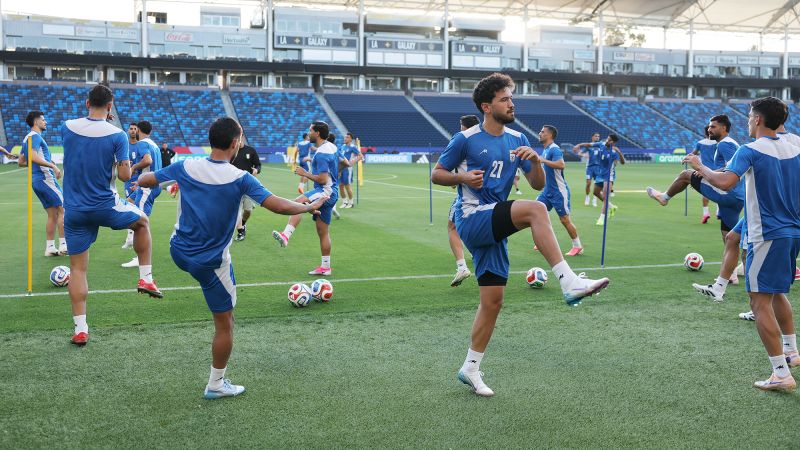
Iran prepares for World Cup debut – As the World Cup kicks off in North America, Iran’s first match of the tournament takes center stage, marking a historic moment for the nation. The team’s participation, however, has been anything but smooth, with months of logistical hurdles and political disputes casting a shadow over its preparations. Despite these challenges, Iran is set to face New Zealand in a game that holds profound symbolic weight for both teams and their fans.
Logistical Struggles and a Controversial Host Nation
The Iranian squad, known as Team Melli, has faced an array of obstacles since confirming its place in the competition. Visa delays, strict immigration policies, and travel bans have created significant difficulties in getting players and supporters to the United States. Even the team’s base of operations has shifted unexpectedly—despite playing its matches in the U.S., Iran has chosen to train in Mexico after Mexican President Claudia Sheinbaum stated Washington would not host the team during the tournament. This decision reflects the broader geopolitical tensions at play, as the host nation, the U.S., is at war with Iran, a situation that has never occurred in World Cup history.
Compounding these issues, the Iranian Soccer Federation recently withdrew its entire ticket allocation for the opening game, raising concerns about how many fans will be able to attend in person. Most of the support is expected to come from the Iranian diaspora already in the U.S., though divisions persist among supporters over the team’s political stance. This backdrop of uncertainty has not dampened the players’ resolve, as they prepare to represent their country on the global stage.
“For many years, the civilized country of Iran has been a united nation. We want to showcase that unity. And we are here at the World Cup to bring joy to Iranians wherever they are,”
said Mehdi Taremi, Iran’s star striker, in a recent interview. His words underscore the team’s desire to transcend the political fray and focus on the spirit of the game. Yet, the challenge of maintaining that unity remains as the team navigates a complex environment.
Previewing the First Match: Iran vs. New Zealand
The match between Iran and New Zealand is scheduled for 9 p.m. ET at Los Angeles Stadium (SoFi Stadium) in California. While the game may not feature the same level of star power as other fixtures, it carries immense importance for both teams. New Zealand, a nation with a growing reputation in international soccer, will look to its Premier League striker Chris Wood to lead the charge. The captain of the All Whites has been a consistent performer, and his ability to deliver crucial goals could determine the outcome of the encounter.
Iran, on the other hand, may have the edge in experience and tactical depth. The team’s reliance on Taremi, who has been a key figure in recent campaigns, could provide a reliable source of attacking threat. However, the players must overcome the disruptions caused by their unpredictable travel arrangements and the absence of their home supporters. Their performance will be closely watched not only for its sporting implications but also as a test of their resilience in the face of adversity.
A Broader Tournament Outlook: Spain and Cape Verde
As the World Cup progresses, other matches will also draw attention. One standout fixture is Spain’s opening game against Cape Verde, set for noon ET at Atlanta Stadium (Mercedes-Benz Stadium) in Georgia. Spain, a perennial favorite, brings a squad brimming with world-class talent and a wealth of experience. Lamine Yamal, the 18-year-old prodigy who captivated fans during the Euros, is a key player to watch. Though he is still recovering from a hamstring injury, his presence on the field could elevate Spain’s performance.
Yamal’s inclusion in the starting XI against Cape Verde has sparked debate. Spain manager Luis de la Fuente opted to start the young star on the bench, perhaps to ensure his full fitness for the game. This strategic choice highlights the delicate balance between risk and reward in high-stakes tournaments. While Spain’s depth in attack and defense makes them strong favorites, Cape Verde’s underdog status should not be underestimated. The African team reached the quarterfinals of the Africa Cup of Nations in 2023, showcasing their ability to compete at the highest level. Their passionate style of play could pose a threat to even the most formidable opponents.
The tournament’s opening games will set the tone for what promises to be an action-packed and sweltering Monday. For neutrals, the matches may not generate the same excitement as the headline acts, but they will offer a glimpse into the diverse narratives shaping the competition. From the political tensions surrounding Iran to the emerging stars like Yamal, the World Cup is more than just a sporting event—it’s a global stage for stories that extend beyond the pitch.
More Than Just a Game: Symbolism and Stakes
Iran’s debut is significant not only for its own team but also for the broader context of the tournament. The political dynamic between the host nation and Iran adds a layer of complexity to the match, with fans divided over its implications. For some, the game represents hope and pride; for others, it is a reminder of the challenges faced by the Iranian people. This duality is likely to be reflected in the atmosphere at the stadium, where supporters will either rally behind their team or protest its presence.
Meanwhile, Spain’s clash with Cape Verde offers a different kind of intrigue. The Spaniards, with their reputation as a dominant force, are expected to secure a win, but the underdogs may seize the opportunity to make a statement. This contrast highlights the variety of stories unfolding during the World Cup, from the seasoned veterans to the emerging talents. The tournament’s first days will be filled with moments that test both the skills of the players and the endurance of the teams.
As the World Cup continues, the focus will remain on these early matches. For Iran, the journey to the stadium has been fraught with challenges, but the team’s determination is evident. For Spain, the quest to maintain its dominance will be as much about proving its strength as it is about the performance of its young stars. Each game contributes to the tournament’s narrative, making it a spectacle that blends sports and politics in a unique and compelling way.
Support and Rhetoric: A Divided Fanbase
The Iranian diaspora in the U.S. has been vocal in its support for the team, despite the controversies. Many fans have expressed pride in their country’s participation, viewing it as a triumph over logistical and political barriers. However, some have also voiced concerns about the team’s representation, highlighting the tensions that have been amplified by the war between Iran and the U.S. This divided perspective adds an emotional dimension to the match, as fans from different backgrounds rally for or against their team.
The situation has prompted discussions among Iranians living in the U.S., with some choosing to support their country while others remain critical of its actions. My colleague Julia Vargas Jones recently spoke with a group of these fans to explore their feelings about the World Cup amid these unprecedented conditions. Their insights reveal the complexity of the situation, where the sport becomes a platform for broader social and political expressions.
As the match approaches, all eyes are on Iran and New Zealand. The game is more than a test of skill—it is a reflection of the challenges and opportunities that define this World Cup. Whether it results in a dramatic underdog victory or a confident display of Iranian strength, the outcome will shape the narrative of the tournament and set the stage for the matches to come.
