
Why the count will go on in California
Why the count will go on in California
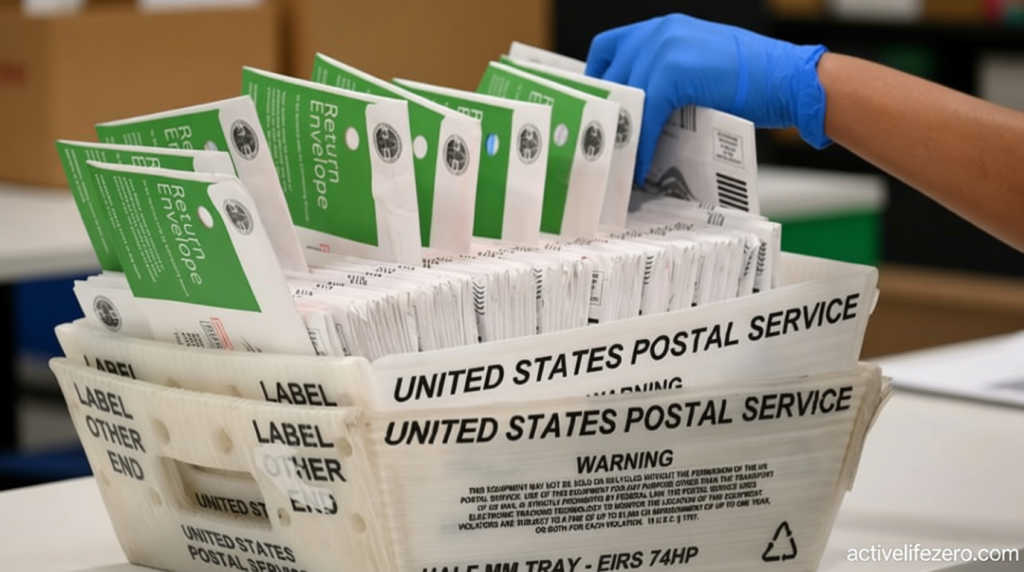
Why the count will go – California’s election results frequently stretch beyond the official Election Day, and this year is proving no exception. The state’s massive population and its reliance on a universal vote-by-mail system contribute significantly to the prolonged counting process. With over 16 million ballots cast in the 2024 general election, nearly 80% of those were mail-in votes, highlighting the system’s scale and complexity. This year’s race for governor is shaping up to be one of the most tightly contested in recent history, as the delayed tallying of ballots continues to reshape the final outcome.
The Delays Behind the Delays
County election officials typically begin processing ballots received before Election Day, releasing results as they arrive. However, California law allows mail ballots to be submitted up to seven days post-Election Day, provided they are postmarked by the deadline. This extended window creates a backlog, as thousands of ballots arrive after the initial count. The process of verifying each ballot—checking for proper signatures, correct addresses, and other details—adds further time. These steps are essential to ensure accuracy, even if they slow down the announcement of results.
The delayed counting of mail ballots often favors Democratic candidates, a pattern observed in past elections. For example, in the 2024 general election, the post-Election Day tally skewed toward Democrats, with a notable portion of votes coming in after the initial results were posted. This trend is attributed to the timing of ballot returns, as Democratic voters tend to submit their mail ballots later than Republicans or independents. This year, data from Political Data, Inc., a Democratic-aligned research firm, suggests that the delay could have an even greater impact, with Democratic voters returning ballots at a slower pace than in previous cycles.
The Governor’s Race: A Tight Contest
At the center of this extended count is the race for governor, where Democratic former U.S. Health and Human Services Secretary Xavier Becerra holds a strong position. The two slots in the November election are currently being contested by Becerra and other candidates, with the final outcome hinging on the distribution of mail ballots. The other major contender is Republican former Fox News host Steve Hilton, who faces competition from Democratic billionaire investor Tom Steyer. Both are vying for the second spot, and the delayed count could tip the balance in either direction.
Meanwhile, the race for Los Angeles mayor has also taken a unique turn. Karen Bass, the current mayor, advanced to the November election, securing a place in the final round. However, the initial results showed Republican former reality TV star Spencer Pratt in second place, but later updates revealed a shift. Progressive city councilmember Nithya Raman gained ground, narrowing the gap between Pratt and Bass. This fluctuation underscores the uncertainty of the final tally, as votes continue to trickle in across the state.
Implications of the Delayed Count
The delayed count has become a focal point for campaign strategists, who are preparing for an extended period of uncertainty. Gubernatorial candidates have warned their supporters to stay patient, as the process is expected to reveal more votes than usual. Tom Steyer’s campaign emphasized that a larger share of Democratic votes may come in later than expected, potentially altering the race. This could be particularly impactful in close contests, where every additional vote could shift the results.
Steve Hilton, who received the endorsement of former President Donald Trump, acknowledged the delays but expressed confidence in the integrity of the process. In an interview with CNN, Hilton remarked,
“I haven’t seen anything that would raise concerns about the validity of the results. However, I find it ridiculous that the state has a system where it could take days or even weeks to get election results.”
His comments highlight the frustration among some Republicans, who view the prolonged counting as an obstacle to timely outcomes. Yet, officials insist that the process is necessary to prevent errors and ensure all votes are properly accounted for.
The impact of the delayed count is also evident in the Los Angeles mayoral race. While Bass appears to be leading, the early results for Spencer Pratt were misleading. As more ballots are processed, the dynamic between the candidates is likely to change. Nithya Raman, a progressive figure, has gained momentum, suggesting that the final count may favor a different outcome than the initial reports indicated. This underscores the importance of the post-Election Day tally in shaping the final results.
A System Designed for Precision
California’s vote-by-mail system was implemented to increase voter access, especially in a state where millions of residents are spread across vast distances. While this approach has expanded participation, it has also introduced challenges in the counting process. County election officials must handle an enormous volume of ballots, ensuring each one meets the legal requirements before it can be added to the totals. This meticulous verification process, though time-consuming, is critical to maintaining the state’s reputation for accurate and fair elections.
The extended counting period also allows for a more comprehensive analysis of voter behavior. For instance, the delayed tally of mail ballots can provide insights into how different demographics are participating. In the 2024 election, the data from Political Data, Inc. indicated that Democratic voters are returning their ballots more slowly than in previous years, which could intensify the skew toward the Democratic party in the final results. This trend is particularly relevant in the governor’s race, where Becerra’s lead is expected to grow as more votes are added.
Preparing for the Unpredictable
With the count still ongoing, campaigns are adjusting their strategies to account for the delayed results. Becerra’s team, for example, is likely preparing for an increase in Democratic votes as the post-Election Day tally continues. Meanwhile, Hilton’s supporters are focused on consolidating their base and ensuring that the final results reflect their early lead. The uncertainty surrounding the final count has also led to a more cautious approach in campaign messaging, with both sides avoiding premature declarations of victory.
As the process unfolds, the role of mail ballots remains central. The sheer volume of these ballots, combined with the time required to verify them, means that California’s election results will continue to evolve well beyond the initial day. This has become a defining feature of the state’s electoral system, where the delayed count serves as both a safeguard and a source of contention. The final tally will not only determine the winners but also shape the narrative of the election itself.
Experts note that the delayed count is a natural byproduct of California’s unique voting structure. With such a high percentage of mail ballots, the state must allow for additional time to ensure accuracy. This is especially important in a year where voter turnout is expected to be historic. However, the delays have also sparked debates about the efficiency of the system, with some critics arguing that the process is too slow and others defending it as necessary for precision.
Despite the prolonged count, the results will ultimately reflect the will of the voters. The final tally will determine the next governor of California and the mayor of Los Angeles, but it will also serve as a reminder of the state’s commitment to thoroughness in every election. As the count continues, the focus remains on ensuring that every ballot is counted correctly, no matter how long it takes.
