
Virginia representative distances herself after agreeing with radio show host’s offensive comment about Jeffries
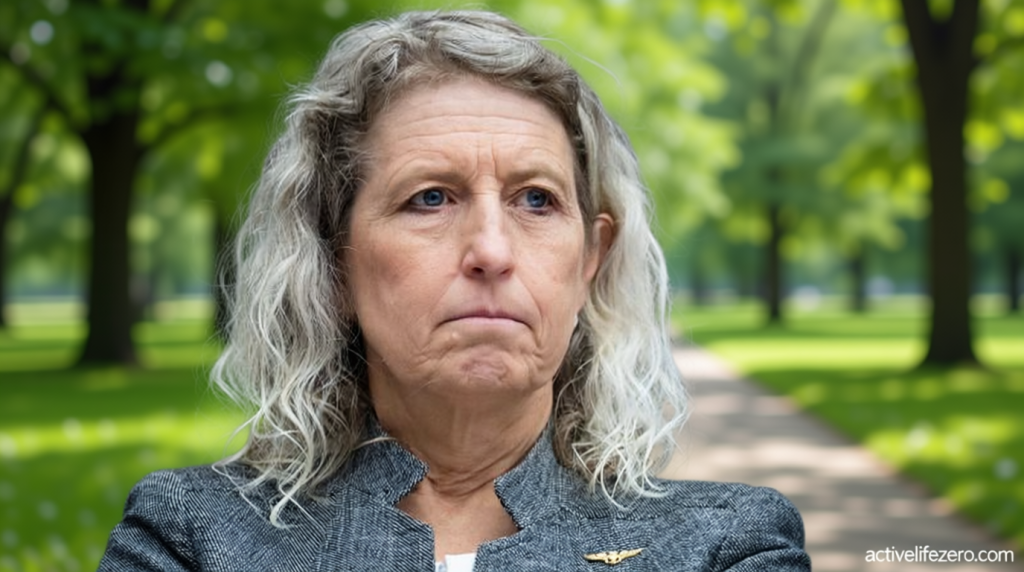
Virginia Representative Faces Backlash Over Agreement With Radio Host’s Racist Comment on Jeffries
Virginia representative distances herself after agreeing – Virginia’s Republican representative found herself at the center of controversy this week after aligning with a radio host’s racially charged remark about House Democratic Leader Hakeem Jeffries. The comment, which described Jeffries as having “cotton-picking hands,” was made during a Monday appearance on “Richmond’s Morning News.” While the host, Rich Herrera, used the phrase to criticize Jeffries’ influence over the state’s redistricting process, Kiggans’ immediate endorsement of the remark sparked swift condemnation from Democrats and civil rights advocates.
The Offense in Question
The phrase “cotton-picking hands” has long been used to stereotype Black individuals, evoking the grueling labor of enslaved people in the South. Merriam-Webster highlights that the term is “widely considered offensive” and serves as a reminder of historical exploitation. During the interview, Herrera asserted that Jeffries should “get your cotton-picking hands off of Virginia,” a statement that drew immediate attention for its racial undertones. Kiggans, representing the state’s 2nd congressional district, responded with a simple “That’s right,” before adding “Ditto” to affirm Herrera’s point.
Kiggans later clarified her stance on X, stating she did not “condone” Herrera’s language. “The radio host should not have used that language and I do not—and did not—condone it,” she wrote. “It was obvious to anyone listening that I was agreeing Hakeem Jeffries should stay out of Virginia.” Despite her defense, critics argue that her agreement with Herrera’s comment, even if unintentional, underscored a lack of sensitivity toward racial slurs.
Reactions and Retorts
“Kiggans had tripled down on the vile, racist and dehumanizing comments from Herrera.”
A spokesperson for Jeffries, Christie Stephenson, criticized Kiggans’ response, calling it a “stunning failure of judgment and leadership” for a member representing a “large, vibrant African American community.” Stephenson emphasized that the comment reflected broader Republican efforts to undermine Black representation in politics. Meanwhile, Rep. Katherine Clark, the second-ranking Democrat in the House, took to social media to demand accountability. “Kiggans should immediately apologize and resign,” Clark stated, a message that Jeffries himself shared publicly.
Other Democrats echoed similar sentiments. Rep. Pete Aguilar, also part of the leadership, accused Kiggans of enabling bigotry. “This racist rhetoric is absolutely disqualifying from a Member of Congress. Rep. Kiggans must apologize then get the hell out of the House,” he wrote. The comments highlighted a growing divide within Congress over how to address racial insensitivity in political discourse.
Rep. Yvette Clarke, chair of the Congressional Black Caucus, directly challenged Kiggans’ defense. “No matter what you say now, the fact is that you did not say a thing then—and that is precisely what’s wrong with Republicans!” Clarke argued, linking the incident to broader Republican strategies of racial divisiveness. She added that Jeffries “deserves an apology, and the people of Virginia deserve better than bigots and their enablers.”
Redistricting and the Midterm Context
The controversy unfolded against the backdrop of Virginia’s ongoing redistricting battle. Earlier this month, the state’s Supreme Court struck down a congressional map that had favored Democrats, potentially giving them four additional House seats in the 2026 midterms. Democrats had appealed the decision, asking the U.S. Supreme Court to reinstate the map. Kiggans’ remarks, however, drew attention to the political stakes of the redistricting fight.
While Kiggans framed her agreement with Herrera as a stand against “Democratic overreach,” critics viewed it as an excuse to deflect from the party’s losses. “This is precisely what’s wrong with Democrats. Every lie and distortion is intended to distract from getting their hats handed to them,” she claimed in her X post. The phrase “hats handed to them” suggested that Democrats were losing political ground, a narrative that resonated with some Republicans but was dismissed by opponents as a convenient justification for the comment.
Virginia’s redistricting process has been a focal point of national attention, as the state’s political landscape shifts. With the Supreme Court’s ruling, the state’s legislature faces renewed pressure to redraw boundaries that reflect voters’ preferences. Kiggans’ comments, though brief, added a new layer to the debate, highlighting how race and rhetoric intersect in the fight for electoral control.
Legacy and Leadership in Question
Jeffries, who made history in 2023 as the first Black leader of a major political party in Congress, has become a symbol of progress in American politics. His leadership of the Democratic Caucus has been celebrated for advancing minority representation, yet his personal image has been targeted by critics. The phrase “cotton-picking hands” not only attacks his appearance but also ties into broader narratives about Black leadership and systemic bias.
Kiggans’ defense of Herrera’s comment drew comparisons to past incidents where political figures used racial slurs to undermine opponents. While she maintained that her intention was to support Virginia’s redistricting efforts, the response from Democrats and civil rights groups suggested that her words could be interpreted as endorsing a harmful stereotype. The incident also raised questions about the role of moderate Republicans in perpetuating divisive rhetoric.
As the redistricting fight continues, Kiggans’ remarks may influence public perception of the political battle. The U.S. Supreme Court’s decision to void the map has given Democrats a chance to regain some of the ground lost in the 2022 elections, but the controversy over Kiggans’ comments could complicate that effort. With the midterm elections just months away, the issue of racial language in politics remains a critical point of contention.
CNN has sought statements from Kiggans’ office and Herrera to clarify the situation. In the meantime, the incident has become a flashpoint for discussions about race, leadership, and the importance of language in shaping political narratives. For Kiggans, the challenge now is to reconcile her support for the comment with the need to uphold the values of inclusivity and respect that her constituents expect from their representatives.
Historical and Cultural Significance
The term “cotton-picking hands” carries deep cultural and historical weight. It originates from the era of slavery, when Black workers were forced to labor in cotton fields under harsh conditions. By invoking this phrase, Herrera and Kiggans tapped into a legacy of racial caricature, a practice that has been used to dehumanize Black people and justify systemic oppression.
Jeffries, a prominent figure in the Democratic Party, has been a target of such rhetoric in recent years. His leadership in Congress has often placed him at the center of debates about race and policy, making him a natural subject for critiques that blend personal attacks with political criticism. Kiggans’ endorsement of the phrase, even if unintentional, has reignited discussions about how political figures can use language to shape public opinion and marginalize certain groups.
As the nation continues to grapple with issues of racial justice, incidents like this underscore the importance of vigilance in political speech. While Kiggans may argue that her words were meant to support a specific policy goal, the immediate backlash suggests that such remarks can have far-reaching consequences. The incident also highlights the delicate balance between political strategy and social responsibility in the current climate of heightened racial awareness.
With the redistricting process still unresolved and the midterm elections approaching, the fallout from Kiggans’ comments could impact the broader political narrative. The Virginia Supreme Court’s decision to void the map has left Democrats with an opportunity to regain influence, but the controversy over Kiggans’ alignment with Herrera’s remark may serve as a reminder of the challenges they face in maintaining unity and public trust.
