
Trump administration upends green card process, potentially compelling hundreds of thousands to leave US to apply
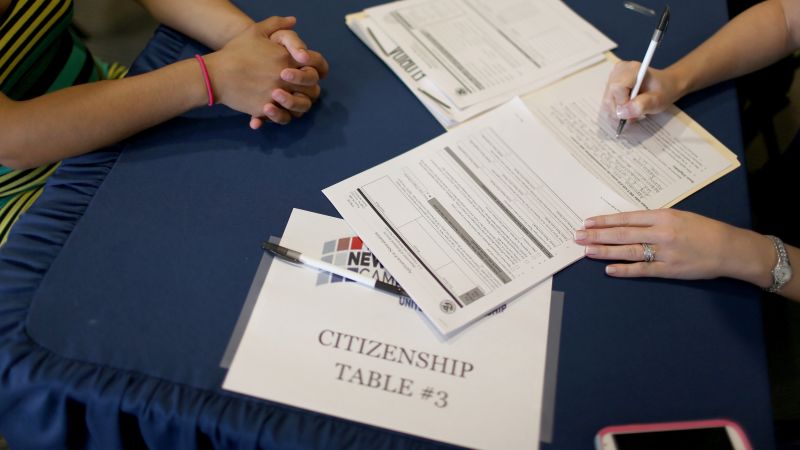
Trump’s Green Card Policy Shift Forces Thousands to Leave U.S.
Trump administration upends green card process – The Trump administration has implemented a new directive that significantly alters the green card process, requiring applicants to return to their home countries during the application phase. This change could impact hundreds of thousands of immigrants, forcing them to temporarily depart the United States while their cases are reviewed. Officials claim the policy aims to streamline the immigration system by reducing the number of individuals applying from within the country, thereby making the legal pathway more rigorous and selective.
Under the revised rules, applicants must leave the U.S. to complete their visa process, a shift from previous procedures that allowed many to stay while their applications were processed. This policy is expected to create logistical and emotional challenges for families, as individuals may be separated from loved ones and face uncertainties in their professional and personal lives. Legal experts warn that the rule could lead to delays and increased costs for those seeking permanent residency.
Impact on Immigrants and Economic Implications
The new requirement is particularly burdensome for immigrants who rely on green cards to work and live in the U.S. permanently. By mandating their departure, the Trump administration seeks to deter unauthorized immigration, as applicants who leave may be less likely to remain in the country illegally if their applications are denied. However, critics argue this approach could discourage skilled professionals from pursuing opportunities in the U.S., ultimately affecting industries that depend on foreign talent.
Applicants often face lengthy processing times, which the policy now amplifies. While exceptions are provided for “extraordinary circumstances,” these are limited in scope. “Returning to the home country during the application process adds an extra layer of complexity,” said a U.S. Citizenship and Immigration Services spokesperson. “It ensures that individuals who are denied residency have fewer options to stay in the U.S. without proper documentation.” This strategy aligns with the administration’s broader efforts to tighten immigration controls and enforce stricter eligibility standards.
The policy has drawn sharp criticism from lawmakers, who argue it disrupts the stability of the immigration system. Illinois Democrat Rep. Delia Ramirez called it “beyond cruel,” emphasizing its effect on families. Similarly, New York Governor Kathy Hochul noted that the rule “betrays the very promise that built this country.” These reactions highlight concerns that the change may create a more hostile environment for legal immigrants, especially those in vulnerable or critical fields.
Historical Context and Broader Immigration Measures
Previous administrations have also modified green card processes, but the current shift under Trump is more drastic. The policy follows a pattern of tightening immigration controls, including efforts to reduce asylum claims and limit work and student visa access. These measures aim to ensure that only those who meet strict criteria gain permanent residency, potentially reducing the number of individuals who can legally reside in the U.S.
While the green card system has long served as a key mechanism for legal immigration, the Trump administration’s changes may redefine its role. The policy is part of a larger strategy to control immigration flows, with officials citing the need to address perceived inefficiencies and ensure compliance with immigration laws. Public data from the Department of Homeland Security shows that over 1.4 million people obtained green cards in fiscal year 2024, but the new rule could challenge this trend by complicating the application process and deterring potential candidates.
Experts predict the policy will face legal challenges and political backlash. “This rule makes the green card process more burdensome, which could have long-term consequences for America’s ability to attract skilled workers,” said David J. Bier of the Cato Institute. As the administration continues to implement stricter immigration measures, the debate over balancing border security with opportunities for legal residency is likely to intensify.
