
AI is changing the internet forever. Here’s how
AI is changing the internet forever. Here’s how
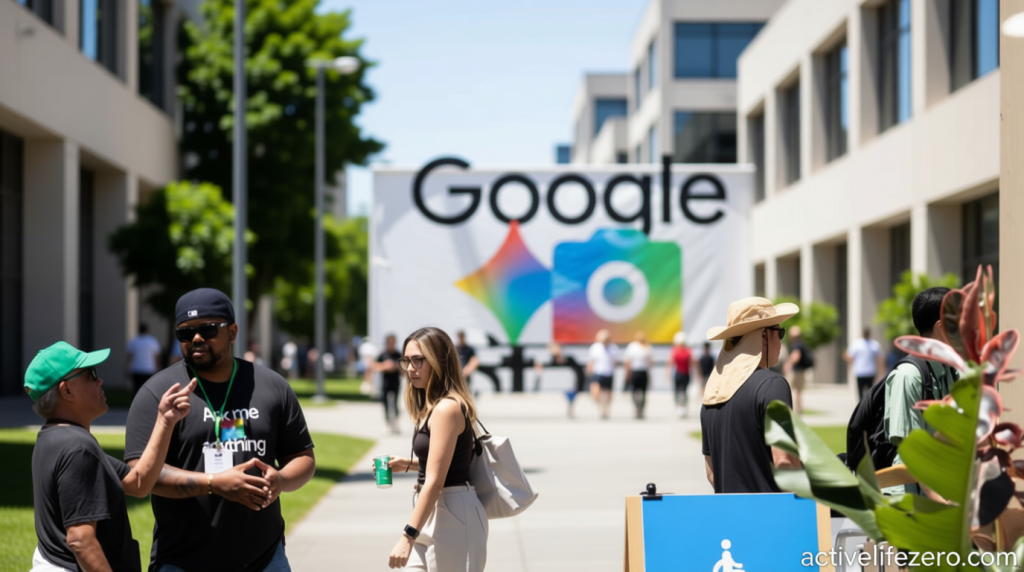
AI is changing the internet forever – Google’s recent overhauls to its long-standing search engine stem from a shift in user behavior. As people submit more intricate queries, the company is adapting to meet evolving needs. Robby Stein, Google Search’s vice president of product, highlighted this trend during a CNN interview, stating, “People are asking much longer and harder questions that no longer have a clear response anywhere on the internet.” These updates, unveiled at Google’s annual conference, signal a broader transformation of how artificial intelligence is reshaping online experiences.
Google’s Search Evolution
The search giant is introducing features that allow it to generate tailored visuals, interactive graphics, and mini-apps directly on its search page. By synthesizing information from multiple sources, Google aims to deliver richer, more context-aware answers. This innovation is part of a series of updates designed to streamline user interactions. According to Stein, the primary objective is to reduce the number of steps required to complete a search, whether it involves analyzing a photo or leveraging Google’s AI Mode for dynamic conversations.
Google’s search box is undergoing its most significant redesign in 25 years. The new interface accommodates more text and integrates multimedia elements such as photos, files, and browser tabs. This change reflects the growing complexity of user searches, which now often require multi-step processes. For instance, searches initiated through a smartphone camera or by circling an object on a screen have surged by 60% year-over-year, as reported by Stein. Additionally, AI Mode queries, which facilitate back-and-forth exchanges, have grown more than double each quarter since their launch a year ago, with average lengths reaching three times those of standard searches.
The Rise of AI-Generated Influencers
AI’s influence extends beyond search engines into social media landscapes. Consider the case of Aitana Lopez, an AI-created Instagram personality with nearly 400,000 followers. Her profile, which features curated images of glamorous events, fitness routines, and beauty advice, mirrors that of human influencers. Yet, Lopez is not a real person—she is one of several AI-driven figures, including Lil’ Miquela, Lu do Magalu, and Granny Spills, gaining prominence online.
Social media platforms are increasingly embracing AI-generated content, with nearly 80% of marketers boosting budgets for creator-driven campaigns that rely on generative AI, as noted by Billion Dollar Boy, a social agency. This trend is accompanied by new awards recognizing the most compelling AI personas. The phenomenon underscores how AI is not only altering information retrieval but also redefining digital personas and brand engagement strategies.
Shifting Search Habits and Cross-Platform Usage
Google’s data reveals a notable change in user query patterns. While the median search term remains just three words, searches containing 11 or more words have risen from 3.27% to 5.37% over the past year. Conversational queries, which once accounted for 5%, now make up 20% of searches, per Semrush analysis. These shifts suggest that users are beginning to mimic the interaction style of AI tools like ChatGPT, even when using Google.
Robert Langenback, president of Eight Oh Two Marketing, observed that people are now entering searches with a wider range of word counts, from three to five, up to five to 10, rather than sticking to two to three words. This change, he noted, began before ChatGPT’s release in late 2022 but has accelerated since its emergence. “(AI has) really almost trained people how to search differently,” Langenback remarked. The integration of AI into daily routines has made it a seamless part of user experiences, even amid concerns about job displacement, safety, and environmental impact.
Leigh McKenzie, director of organic visibility at Semrush, emphasized that Google remains the go-to tool for direct questions or transactional tasks, while ChatGPT is increasingly used for summarizing data, comparing products, and drafting content. This division highlights how AI is carving out distinct roles across platforms. For example, over 20% of users redirected from ChatGPT to Google, according to Semrush’s examination of 1 billion lines of US user activity data. The coexistence of these tools demonstrates a complex ecosystem where AI is both a competitor and a complement to traditional search methods.
Despite growing anxiety about AI’s societal effects, its integration into everyday internet use is becoming unavoidable. From personalized shopping recommendations to automated content creation, AI is now a silent partner in digital interactions. The sheer volume of AI-driven features and tools means users are constantly encountering intelligent systems, whether through search results, social media posts, or e-commerce platforms. This ubiquity is reshaping expectations for efficiency, accuracy, and personalization in online experiences.
A New Era of Digital Interaction
As AI continues to refine its capabilities, the internet is evolving into a more interactive space. Search engines are no longer just repositories of information but dynamic platforms that respond to user intent in real time. The ability to generate visuals, mini-apps, and conversational interfaces reflects a deeper understanding of how people engage with data. This transformation is not limited to search—AI is also streamlining social media, enhancing online shopping, and revolutionizing content creation.
Experts predict that this shift will lead to a future where AI-driven tools are seamlessly embedded into digital workflows. The growing reliance on AI for tasks such as product comparisons and information synthesis suggests a fundamental change in how users navigate the web. While some remain skeptical about its long-term implications, the data indicates that AI is already a defining force in modern internet use. Its influence is evident in every click, search, and interaction, marking a turning point in the digital age.
With AI’s reach expanding across industries, the question is no longer whether it will change the internet, but how deeply it will reshape our digital lives. Google’s updates, along with the rise of AI influencers and AI-integrated shopping, exemplify this transformation. As users become more accustomed to AI’s capabilities, the boundaries between human and machine interaction are blurring, paving the way for an era where technology is an inseparable part of online activity.
