
Transportation Secretary Sean Duffy returns to reality TV roots, sparking criticism and questions
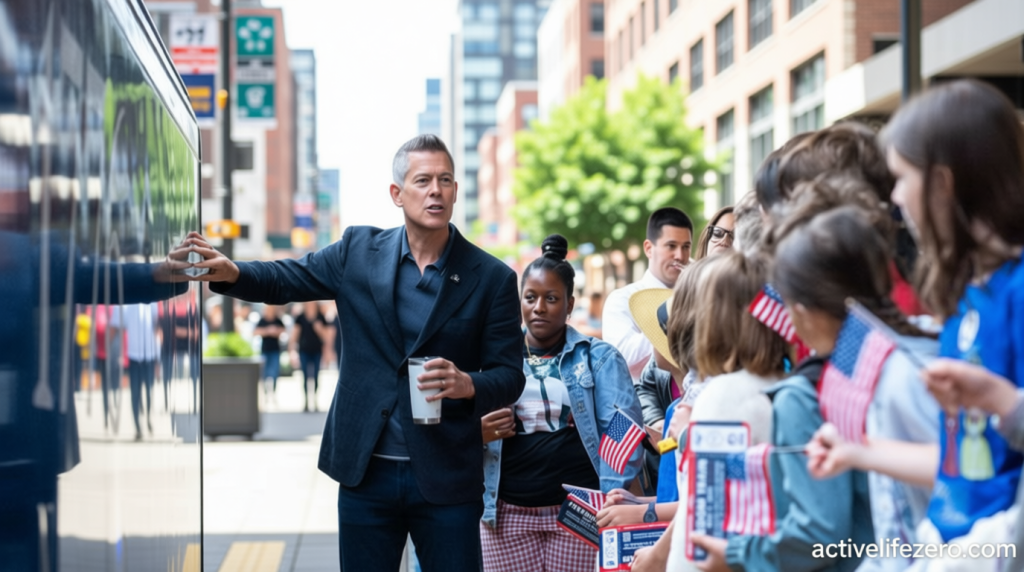
Transportation Secretary Sean Duffy Returns to Reality TV, Drawing Backlash
Transportation Secretary Sean Duffy returns to reality – Transportation Secretary Sean Duffy’s return to the world of reality television has ignited a wave of controversy, particularly in the context of surging fuel prices and rising concerns about economic fairness. His new series, “The Great American Road Trip,” which has been in production for seven months with his family, is set to debut on YouTube before the nation commemorates its 250th anniversary. The show, however, has become a focal point for debate as critics question whether its funding aligns with the public’s current struggles.
Funding and Ethics Under Scrutiny
Duffy insists that the production costs for the five-part series were entirely covered by a nonprofit organization, Great American Road Trip Inc., and that “no taxpayer money” was used to support his family’s activities. He added that his wife, Rachel Campos-Duffy, a prominent Fox News host, and their nine children were not compensated for their participation, nor did they receive any production royalties. Despite these claims, the connection between the show’s sponsors and the Department of Transportation has raised eyebrows.
“Secretary Duffy has already taken action to make cars affordable and support the president’s energy dominance agenda,” said a Department of Transportation spokesperson.
The program’s corporate partners, listed on its official website, include Boeing, Shell, Toyota, United Airlines, and Royal Caribbean—companies that operate within the purview of the federal agency Duffy leads. This has led to accusations that the show may be perceived as a promotional tool for industries that contribute to the nation’s economic challenges. Donald K. Sherman, president of Citizens for Responsibility and Ethics in Washington, pointed out the irony in the timing of the series’ launch: “As everyday Americans grapple with the cost of gas and voice concerns about airline safety, the Secretary unveils a project seemingly funded by the industries his department regulates.”
Revisiting the Duffys’ Entertainment Beginnings
The show marks a nostalgic return for the Duffys, who first gained fame in the mid-2000s while filming MTV’s “Road Rules: All Stars.” Their shared history in the entertainment industry has reignited discussions about their roles as both public officials and media personalities. In the trailer released Friday, Duffy reflects on the essence of American life, stating, “To love America is to see America.” The footage showcases diverse landscapes, from serene countryside to urban centers, as he emphasizes the country’s complexity and beauty.
The Duffys’ journey, documented over the course of seven months, involved filming one to two days at a time. Among the locations featured are the Rocky Steps at Philadelphia’s Museum of Art, snowmobiling adventures in Montana, and a stop at the iconic “Real World: Boston” house, where Duffy first achieved television recognition. The series also includes a brief appearance by former President Donald Trump, who greeted the family in the Oval Office during its kickoff event. Trump’s lighthearted comment, “Taking a little trip? A little trip all over?” has added a personal touch to the project, though it has not softened the criticism it has faced.
Consumer Sentiment and Economic Strain
As the US-Iran war continues, fuel prices have reached $4.55 per gallon, straining household budgets and making long-distance travel less accessible for many families. This context has amplified the public’s reaction to Duffy’s new venture, with some viewing it as a symbol of privilege amid economic hardship. According to a CNN poll conducted by SSRS last month, Trump’s approval rating for handling the economy has plummeted to a career low of 31%, reflecting widespread dissatisfaction with the administration’s policies.
Pete Buttigieg, the former transportation secretary under President Joe Biden, has criticized the show as “brutally out of touch.” He argued that regular families are unable to afford road trips due to the soaring cost of gasoline, which he attributes to Trump’s “war of choice.” Buttigieg’s husband, Chasten Glezman Buttigieg, further emphasized the perceived disconnect, stating, “The Duffy family is bragging about their multi-month, taxpayer-funded family road trip while gas and grocery prices soar for American families because of Trump’s war of choice.”
Defending the Project’s Independence
Rather than conceding to the criticism, Rachel Campos-Duffy has defended the show’s funding model. She clarified in a trailer that “all production costs were paid for by the non-profit, The Great American Road Trip, Inc. No one in my family—including my husband—were paid to do this.” The website of the nonprofit describes it as an independent 501(c)(4) organization, which allows it to operate with a mix of public and private funding. The site notes that the group “proudly partners with the U.S. Department of Transportation” to promote American culture and values.
While the show aims to highlight the nation’s diversity and natural wonders, its timing has made it a lightning rod for scrutiny. Critics argue that the series’ release coincides with a period when many Americans are cutting back on non-essential spending to cope with inflation and rising living costs. “The Great American Road Trip” is presented as an opportunity for families to “step away from the noise” and reconnect, but its sponsors’ influence on the transportation sector has cast doubt on its impartiality.
A Nation’s Divide Over Representation
The Duffys’ return to the spotlight underscores a broader debate about how public figures use their platforms to shape narratives. For some, the show offers a refreshing glimpse into the American experience, while for others, it represents a disconnect between policymakers and the everyday challenges of citizens. As the series approaches its debut, the question remains: does it inspire a deeper appreciation for the country, or does it serve as a subtle endorsement of the industries that have impacted its people?
With gas prices at their highest in months and consumer confidence wavering, the show’s message of unity and exploration has taken on new significance. Yet, its funding sources and the timing of its release have fueled skepticism. As the trailer’s release garners attention, the Duffys’ journey becomes a metaphor for the broader tensions in American society—between aspiration and adversity, between the public good and private interests.
Legacy and Future Implications
Whether “The Great American Road Trip” is seen as a heartfelt tribute or a politically motivated spectacle, it has undeniably brought the Duffys back into the public eye. The show’s ability to capture the American spirit may be its greatest asset, but its role in shaping public perception of transportation policy remains a topic of discussion. As the nation faces economic headwinds, the Duffys’ work on the road could either bridge the gap between policy and people or widen the chasm, depending on how it is received.
For now, the series stands as a testament to the Duffys’ enduring presence in both entertainment and politics. Their ability to weave personal stories with national themes highlights the power of media in shaping public discourse. However, the ongoing debates over its funding and relevance ensure that their journey will be watched not just for its scenic beauty, but for the implications it carries in a time of economic uncertainty.
